
2D Animation Services
Character, whiteboard and explainer-style 2D animation for eLearning, training, marketing and social, the style Motifmotion produces most.
2D animation demo reel
Trusted by
:quality(75))
:quality(75))
:quality(75))
:quality(75))
:quality(75))
:quality(75))
:quality(75))
:quality(75))
:quality(75))
:quality(75))
:quality(75))
:quality(75))
:quality(75))
:quality(75))
Motifmotion's 2D animation services cover character work, whiteboard, explainer videos and flat-design animation for eLearning, corporate training, marketing and social content. We are a Philadelphia 2D animation studio, and 2D is the technique we use most: faster to produce than 3D, easier to update later, and what most of our eLearning, training and explainer work is built in, including programs for AccessLex, PBS-WHYY, Wolters Kluwer, PHMC and IMSE. It is also where most of our visual storytelling happens, because a flat illustrated frame can simplify complex ideas faster than a camera can. Every project is priced per finished minute after a short scoping call. 2D is one of three animation techniques we offer; the full range sits on our animation services page.
What 2D animation is used for
2D animation covers six jobs at Motifmotion, and most projects mix two or three of them. Three of the six have their own service pages: eLearning Video Production, Corporate Training Video Production and Explainer Video Production. Character animation and whiteboard animation each get their own section below.
- eLearning and training — Modular animation built for an LMS: compliance, onboarding, exam prep and long-form courses. One visual system carries every module in the program.
- Explainer videos — Sixty to ninety seconds that make a product or process click. This is the most common 2D format for SaaS and B2B buyers.
- Character-led pieces — Animated characters who speak, react and carry a story, a product demo or a training scenario.
- Whiteboard style — Hand-drawn-style animation, script-led, built for step-by-step explanation.
- Social and marketing videos — Short, brand-forward 2D cuts sized for social feeds, paid ads and landing pages.
- Recruitment and employer branding — Short character-led pieces that show what a job actually involves, used in hiring campaigns and careers pages.
Most briefs arrive as one of these and end up borrowing from another: a training program that needs an explainer opener, or a social cut pulled from a longer course.
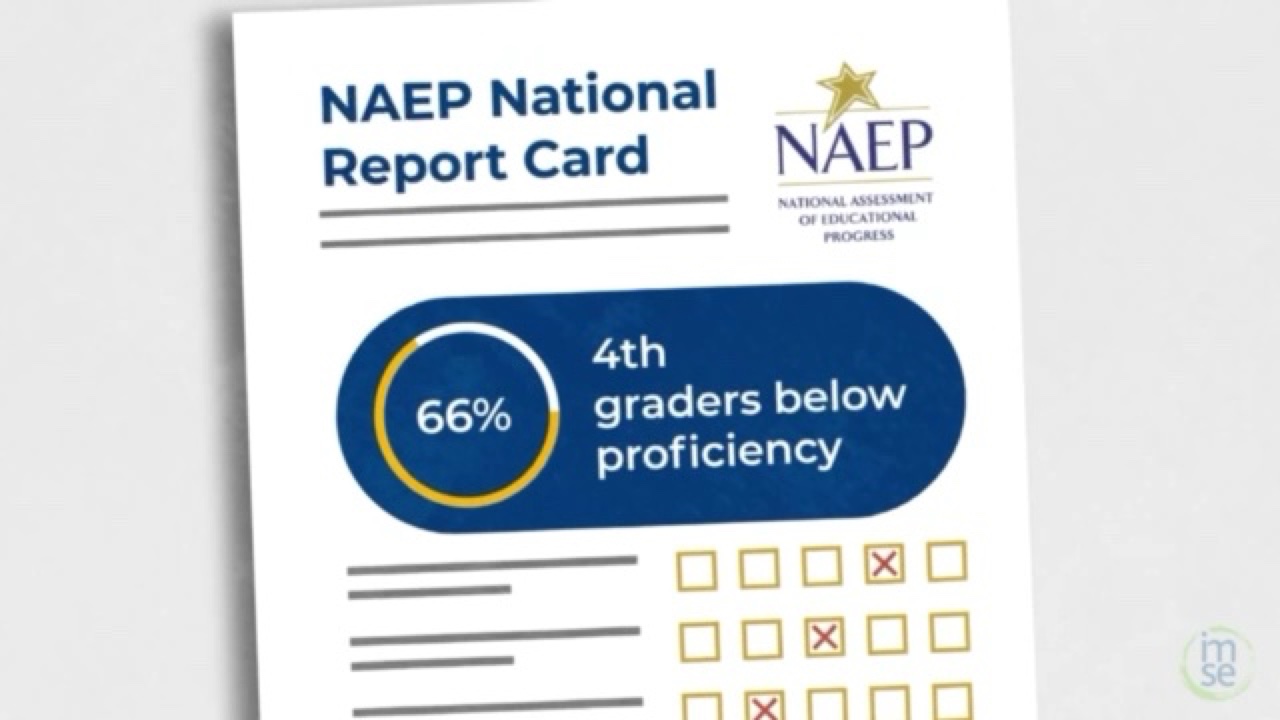
2D animation for public television
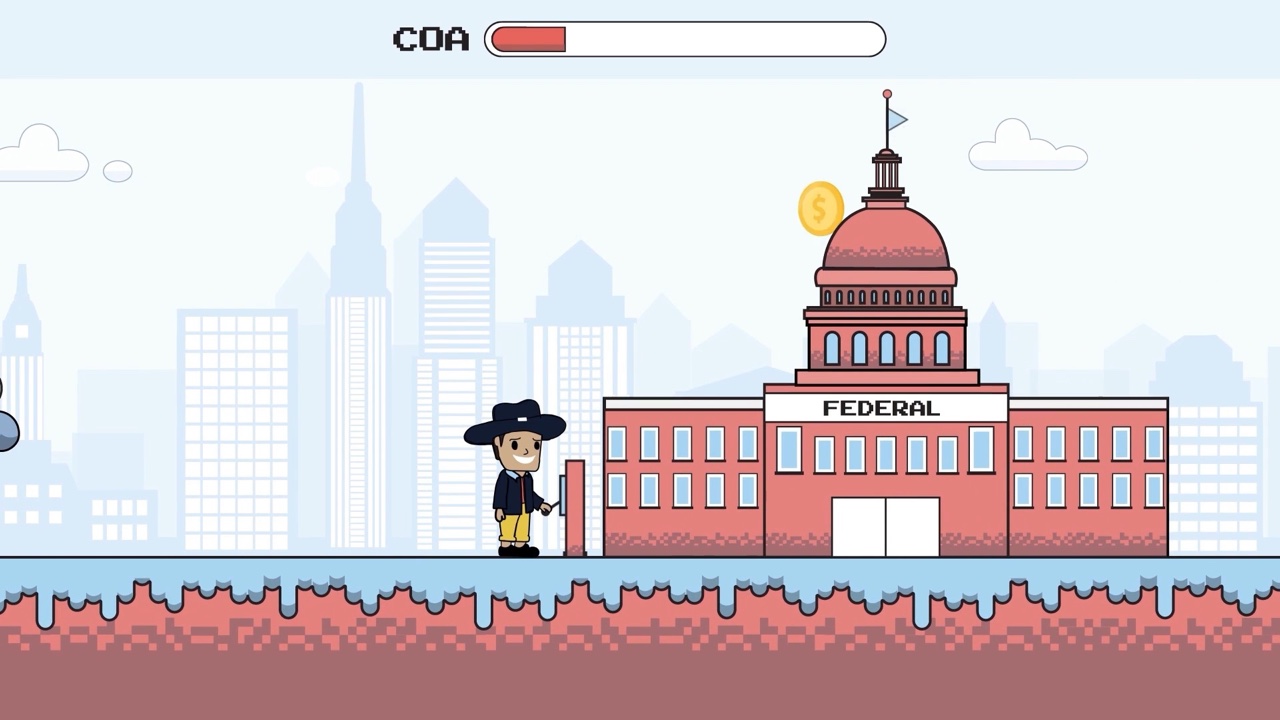
PBS-WHYY — a five-episode, 25-minute 2D civics series that won a 2023 Mid-Atlantic Emmy. Full write-up: PBS-WHYY: Educational series case study.
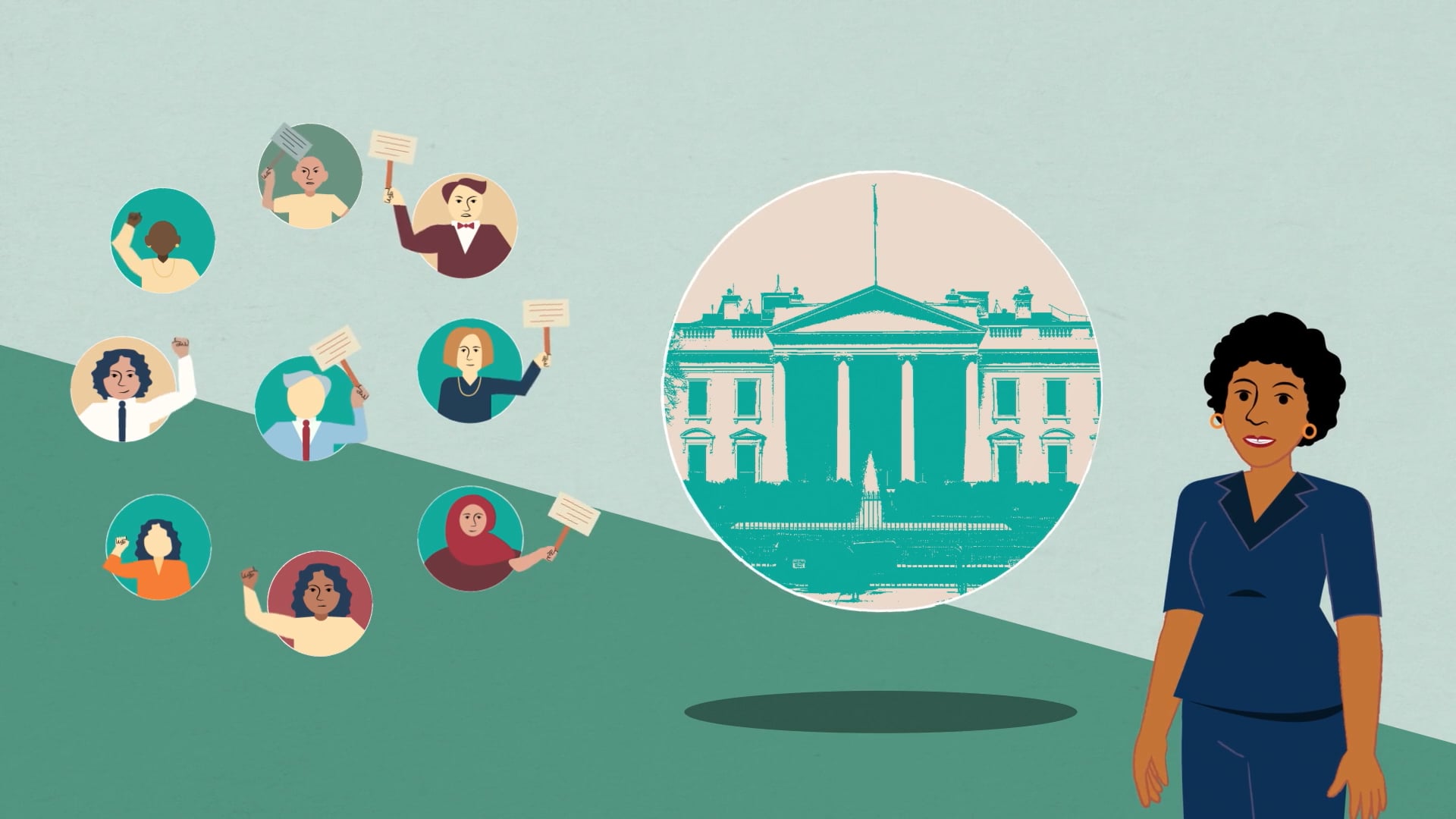
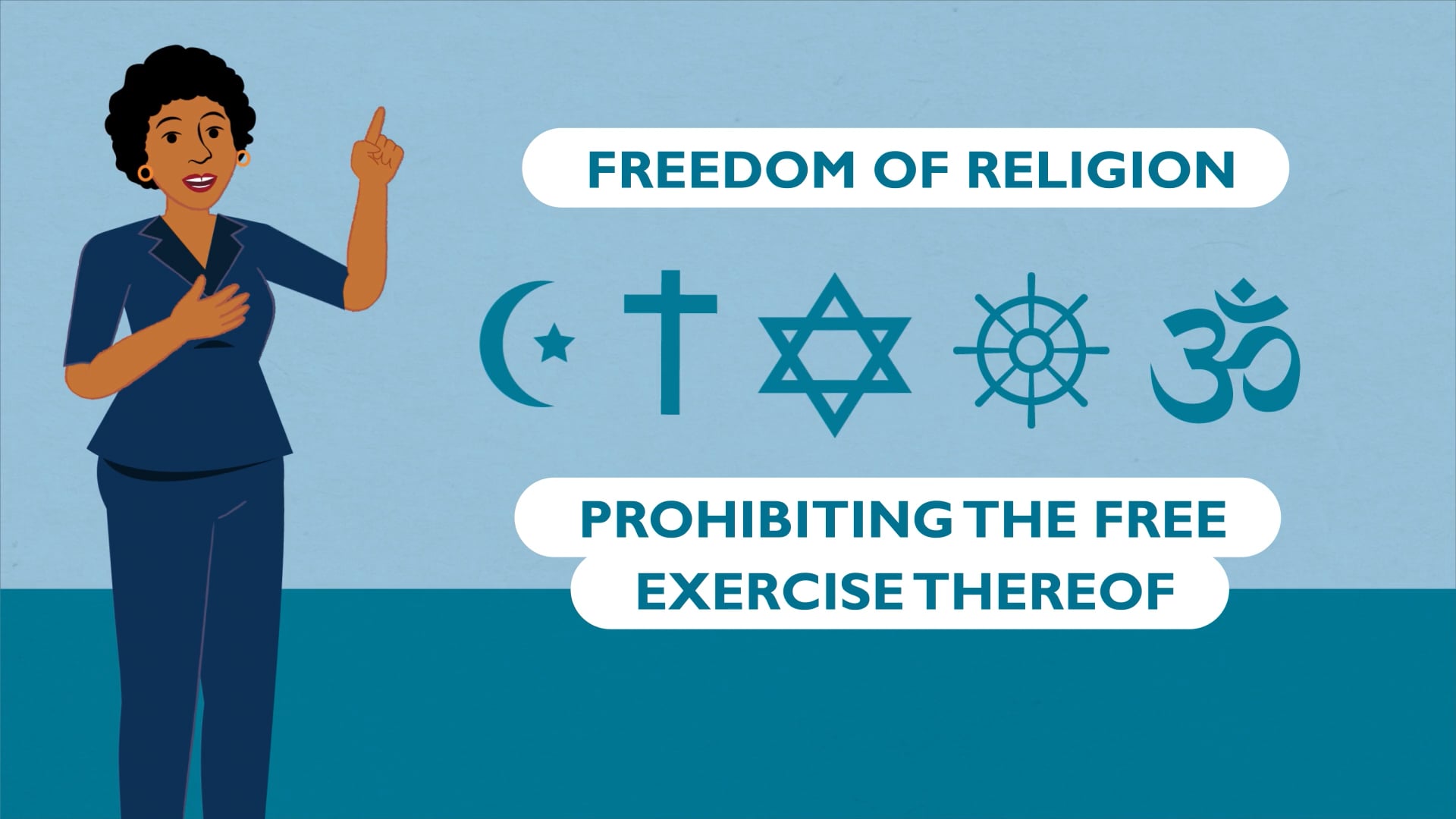
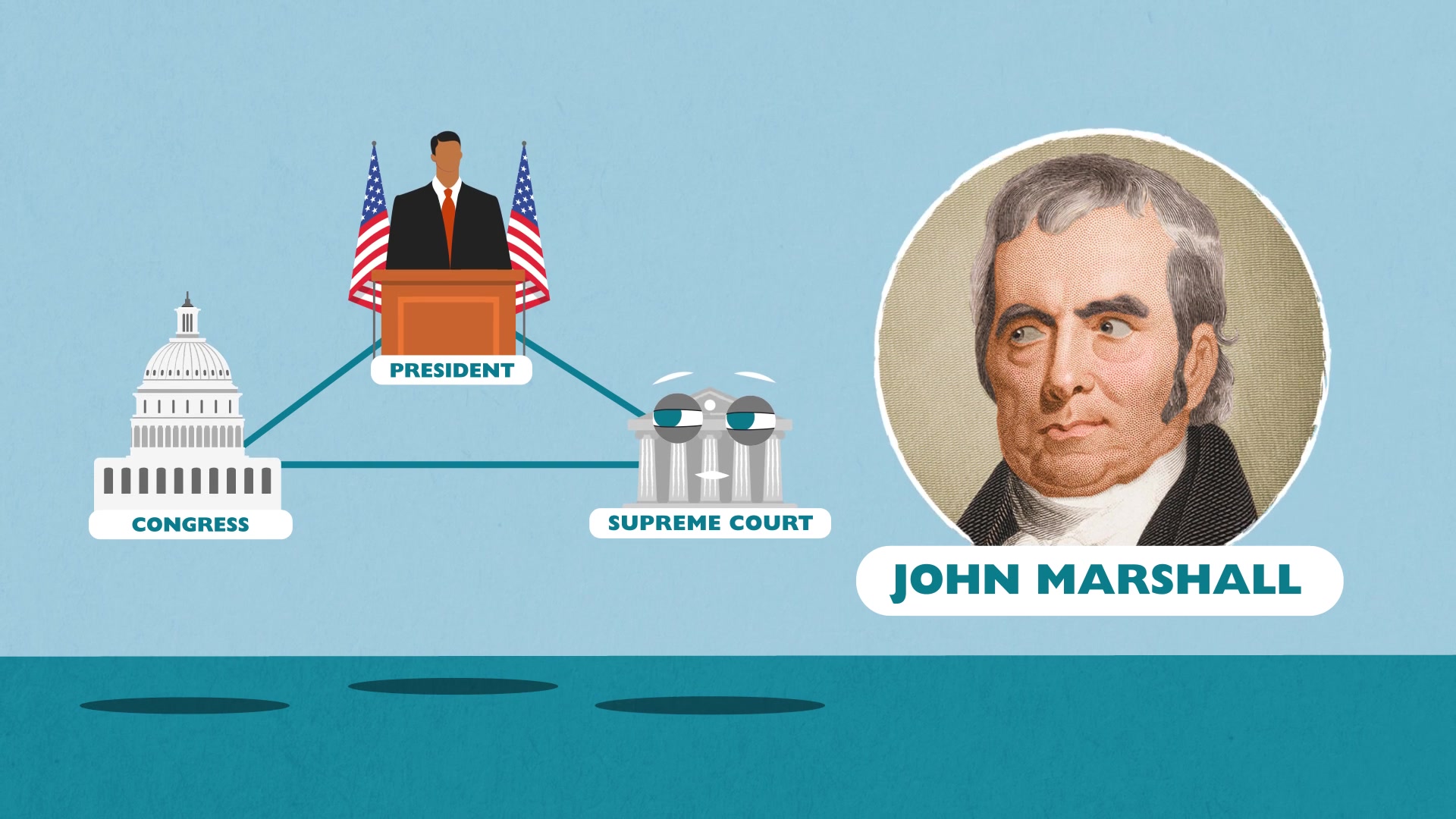
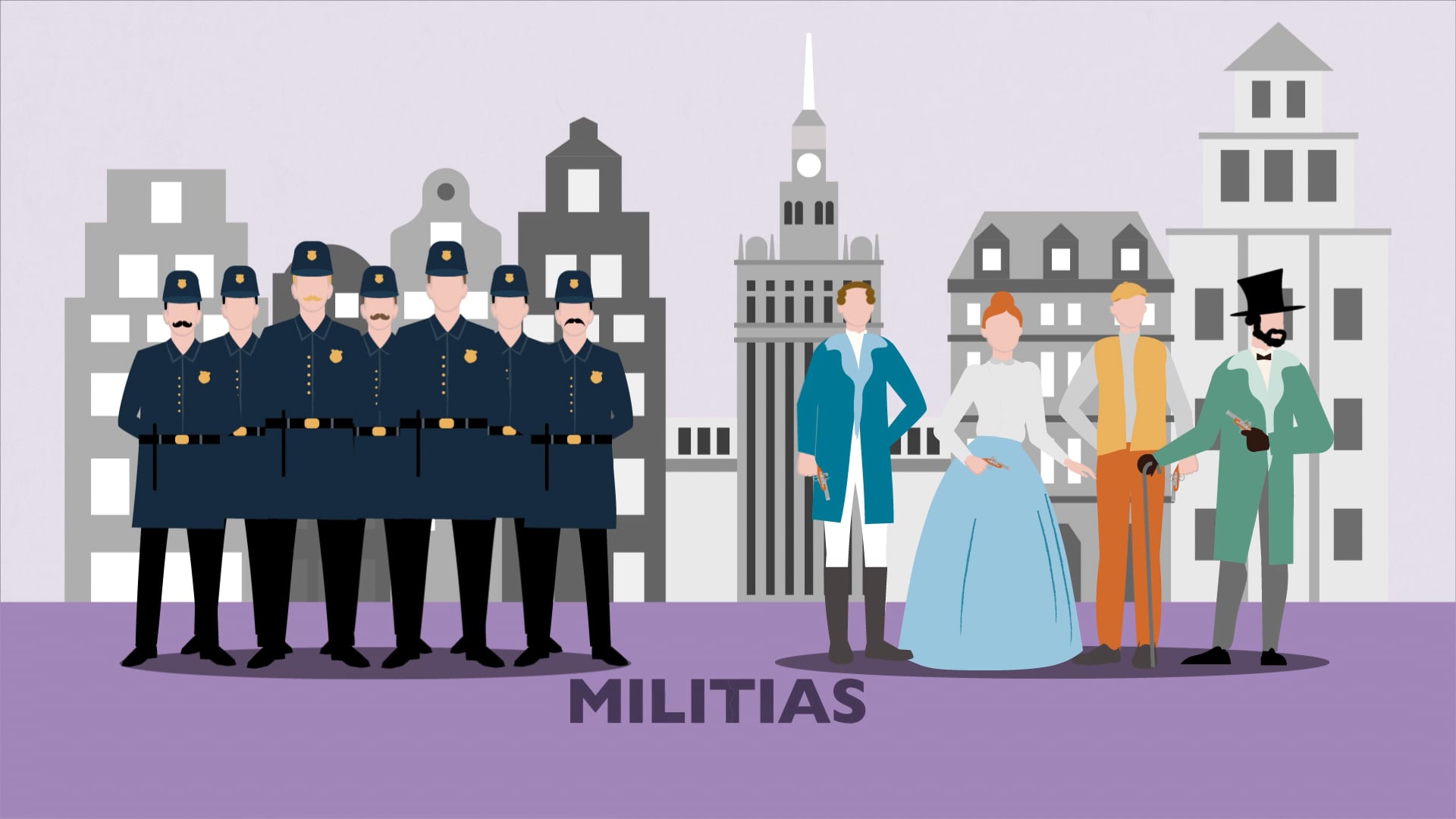
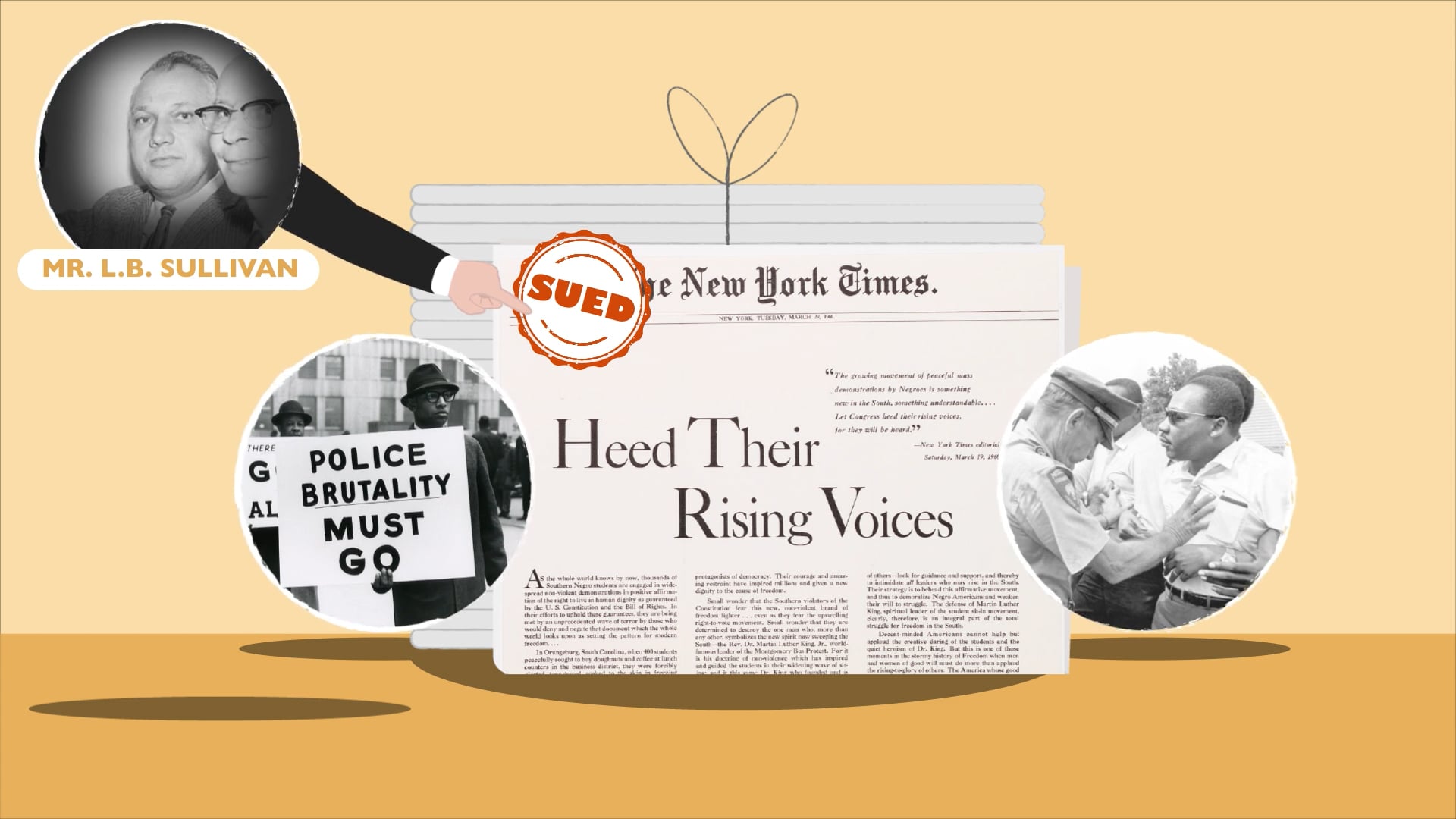
Ep01 - Freedom of Speech
2D animation styles
2D animation is one technique with several looks. The style you pick changes the budget and the feel, not the process, and it changes how the storytelling lands. Motifmotion works in six 2D styles regularly, and each one below is tied to a real production.
All six rest on the same craft: timing, meaning when a drawing appears, and spacing, meaning where it appears in the frame. That frame-level control is what separates hand-tuned animation from a templated tool. Full breakdown of every style Motifmotion works in, 2D and 3D: Animation Styles Guide.
Flat design
Clean, simplified shapes with limited depth. Common in explainers, editorial content and infographics. Produced for the Carnegie Endowment for International Peace.
Character-driven
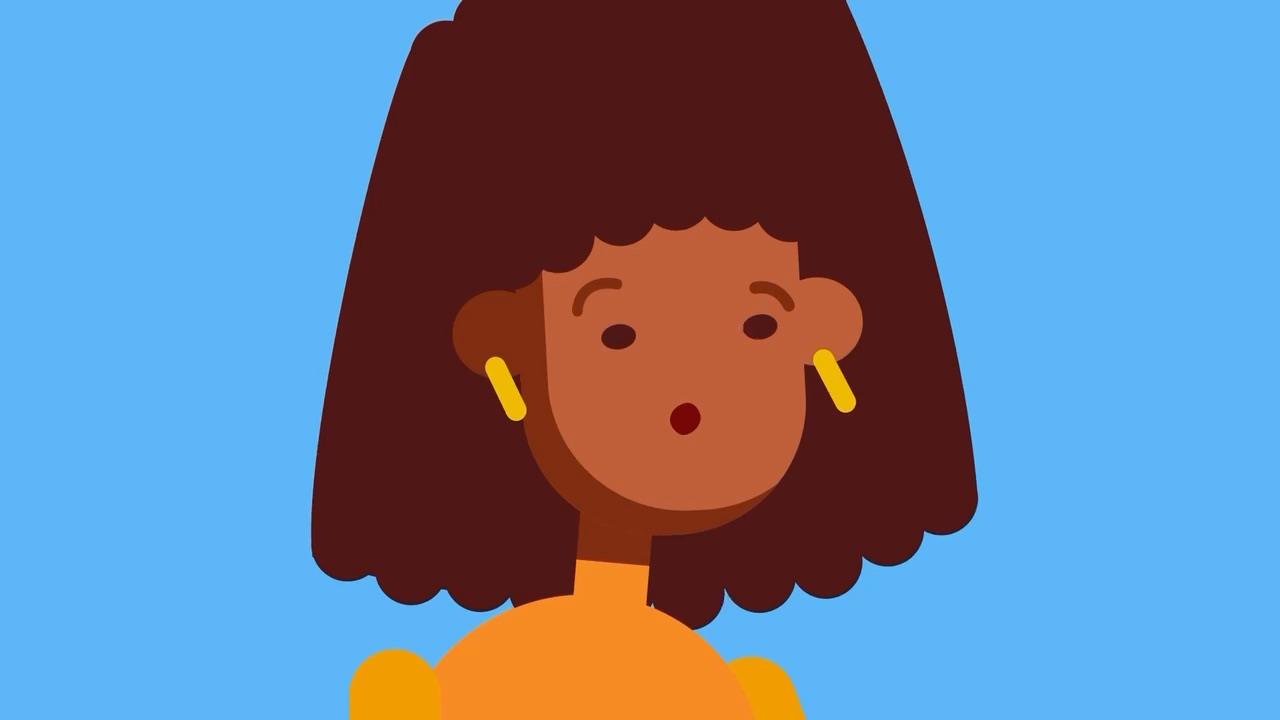
Animated characters carry the story and the emotional weight. The look behind our work for The Judge Group and the Healthcare Service Group training series.
Cut-out
Flat, jointed pieces move like paper puppets instead of every frame being redrawn. An efficient middle ground between simple 2D and full character work. Produced for Union College.
Whiteboard
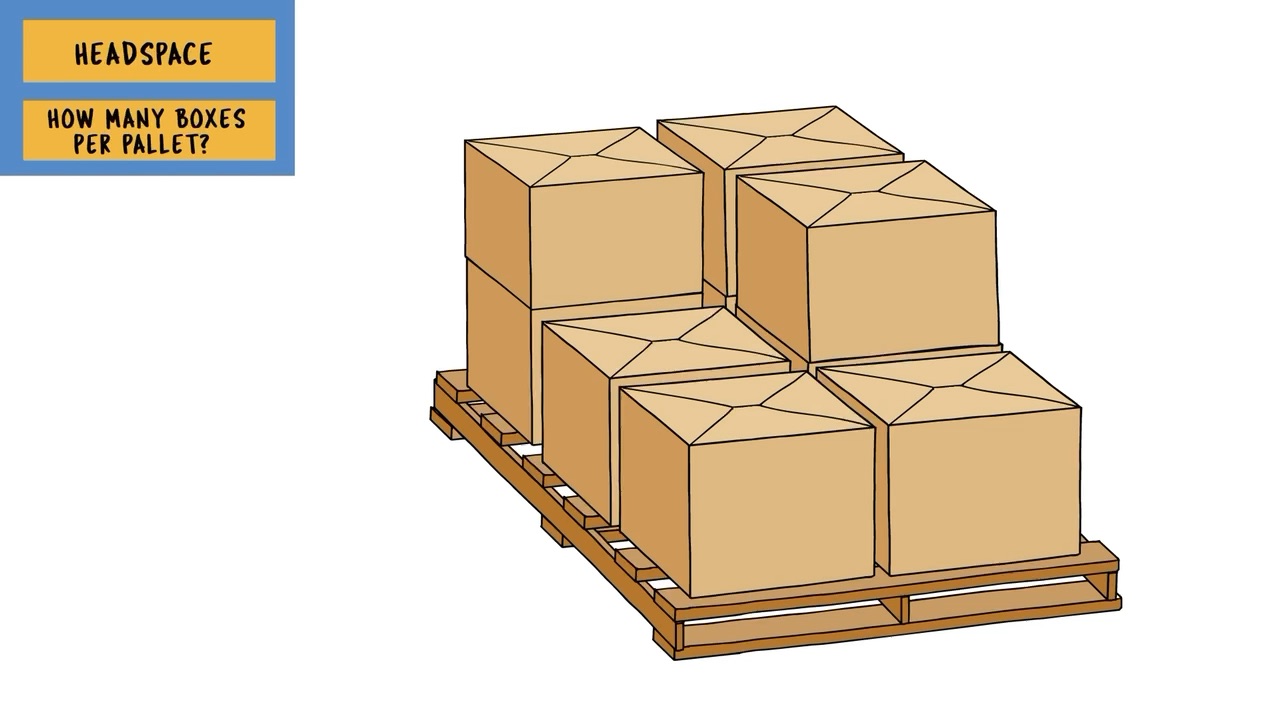
A hand simulates drawing in real time. Friendly to modest budgets and strong for step-by-step explanation. Produced for Delmarva Corrugated Packaging.
Kinetic typography
The words themselves carry the message. Common in eLearning and training, and one of the more budget-friendly styles. Produced for Upskill.
Infographic and data
Animated text, icons and charts that make a data-heavy idea land. Produced as animated infographics for Mac Papers + Packaging.
Have a script, a course, or a product to explain?
Tell us what already exists and we will scope the work around it.
Character animation
Character animation puts an animated character at the center of the piece, someone who speaks, reacts and carries the story. It is the strongest form of visual storytelling in 2D, and the look Motifmotion reaches for when a project needs an emotional or personal connection rather than a diagram.
Our character work covers rigging, lip-sync and walk-cycle animation for training scenarios, explainers and recruitment video. Two productions carry the point:
- The Healthcare Service Group employee training program runs 32 episodes written entirely as dialogue rather than narration, the only dialogue-driven series in Motifmotion's portfolio. A service model has to be heard, not described, so the animation carries two characters holding a conversation and reacting to each other.
- The Judge Group's recruitment series introduced 18 specific jobs, each in under 35 seconds, with one animator carrying the cast across every episode.
Character work sits toward the premium end of the 2D budget, because rigging and performance take more time than flat motion graphics. The rig and the cast are reusable, though, so a series costs less per episode than a one-off. For an example of a short episodic series, see the 18-episode Judge Group series.
Patient education series
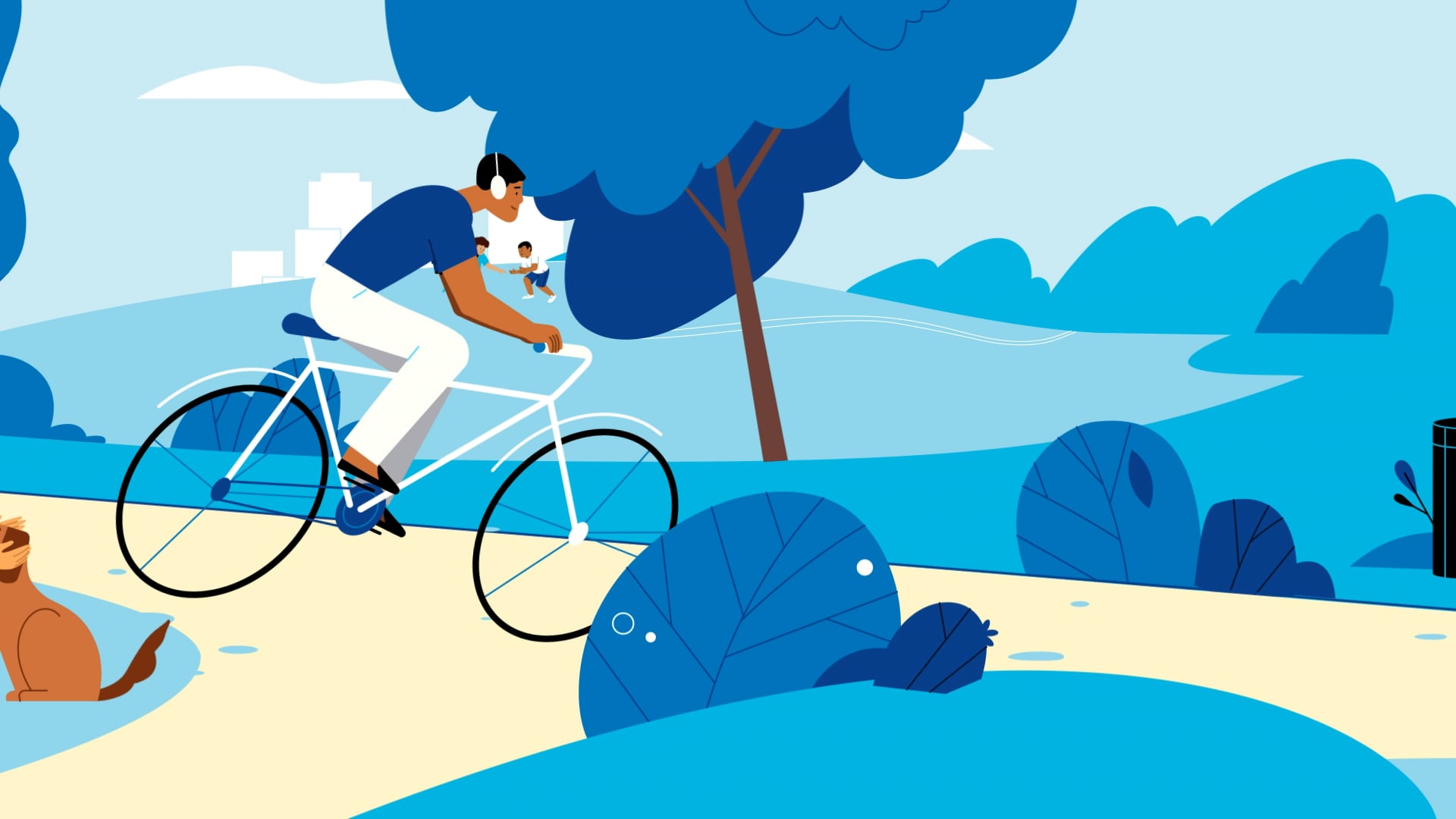
Hackensack Meridian Health — a six-part 2D oncology series for New Jersey's largest healthcare network, covering cancer interception, robot-assisted surgery, the multidisciplinary care team, advance care planning, hereditary cancer risk and the three treatment pathways. The six run in sequence and follow one patient journey rather than one procedure, which is why the set holds together as a program. Full write-up: Hackensack Meridian: Patient education case study. For an industrial example, see the six Mac Paper + Packaging case studies.
:quality(75))
:quality(75))
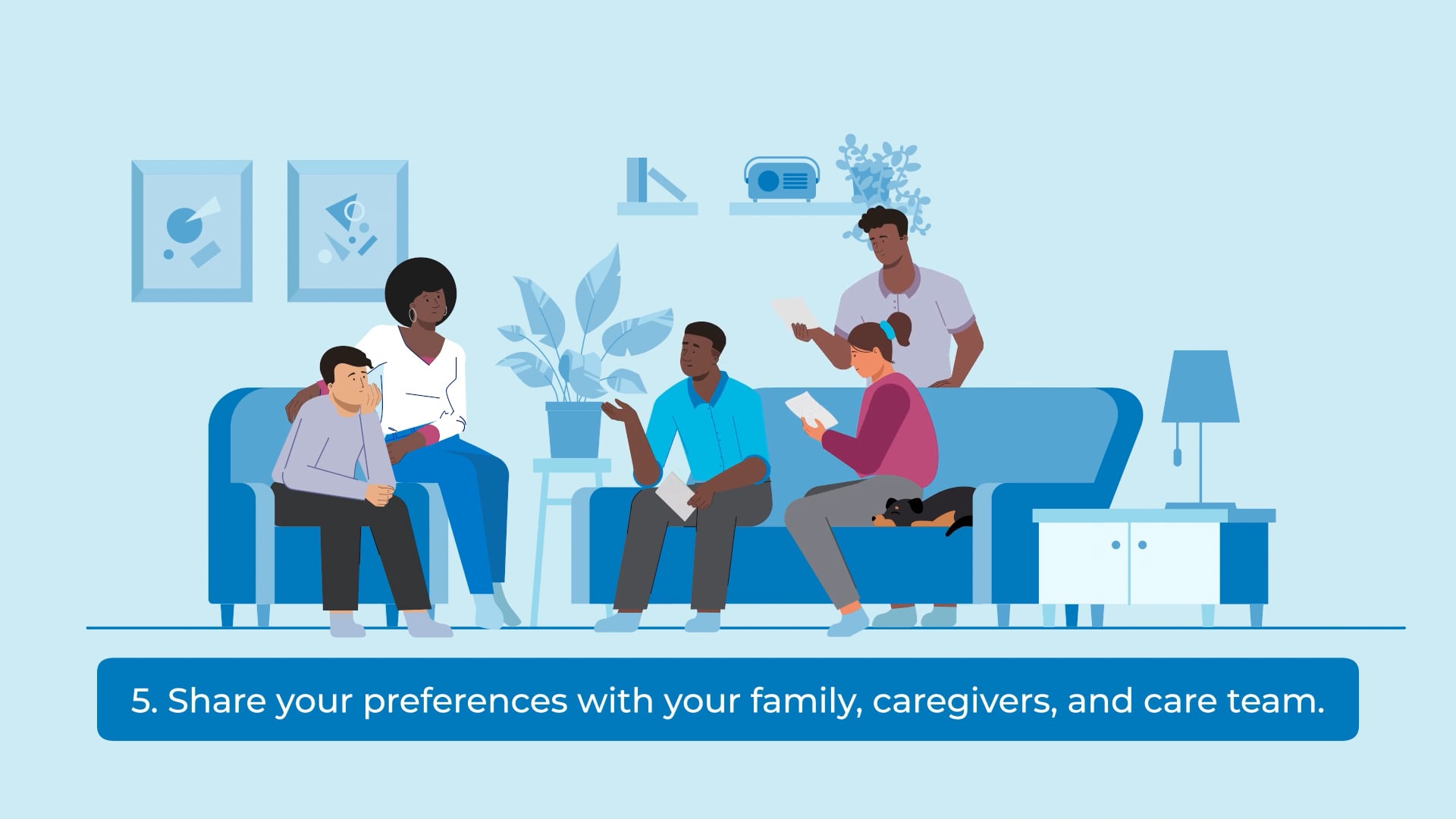
Intercepting Cancer Before It Happens
Whiteboard animation
Whiteboard animation simulates a hand sketching in real time, and it is the most budget-friendly 2D style for step-by-step explanation.
It suits instructional and compliance content where the words do the heavy lifting. Motifmotion produced a whiteboard technical explainer for Delmarva Corrugated Packaging, walking through how a corrugated box is built.
- Script and simple line art instead of full illustration, so it turns around faster than character-driven work
- One of the two styles, with kinetic typography, that fit tighter budgets without giving up clarity
- Strong for process and compliance content that has to be followed in order
Because the drawing is the explanation, whiteboard work depends more on the script than any other 2D style. We lock the script before a single frame is illustrated.
Compliance training series
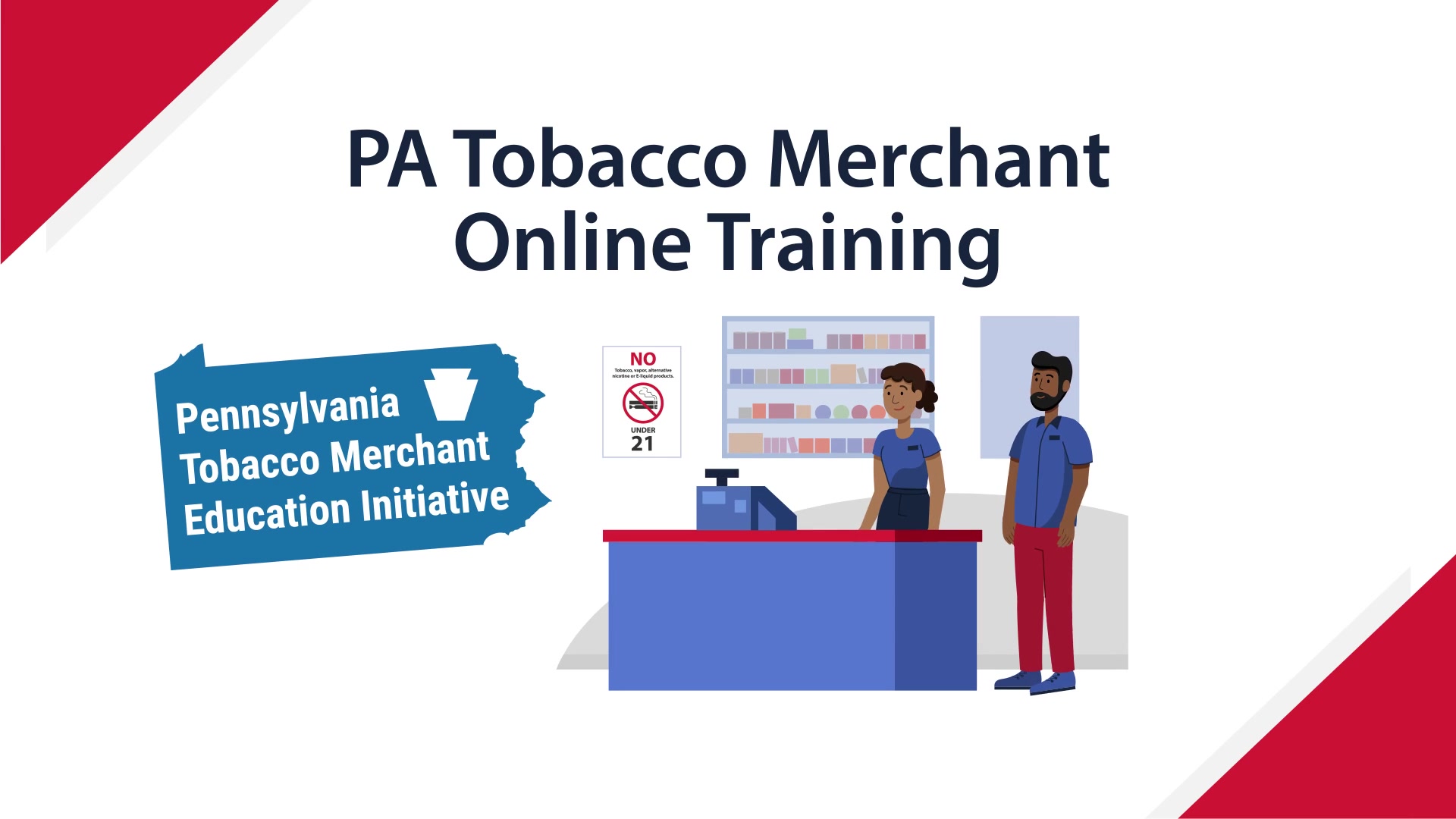
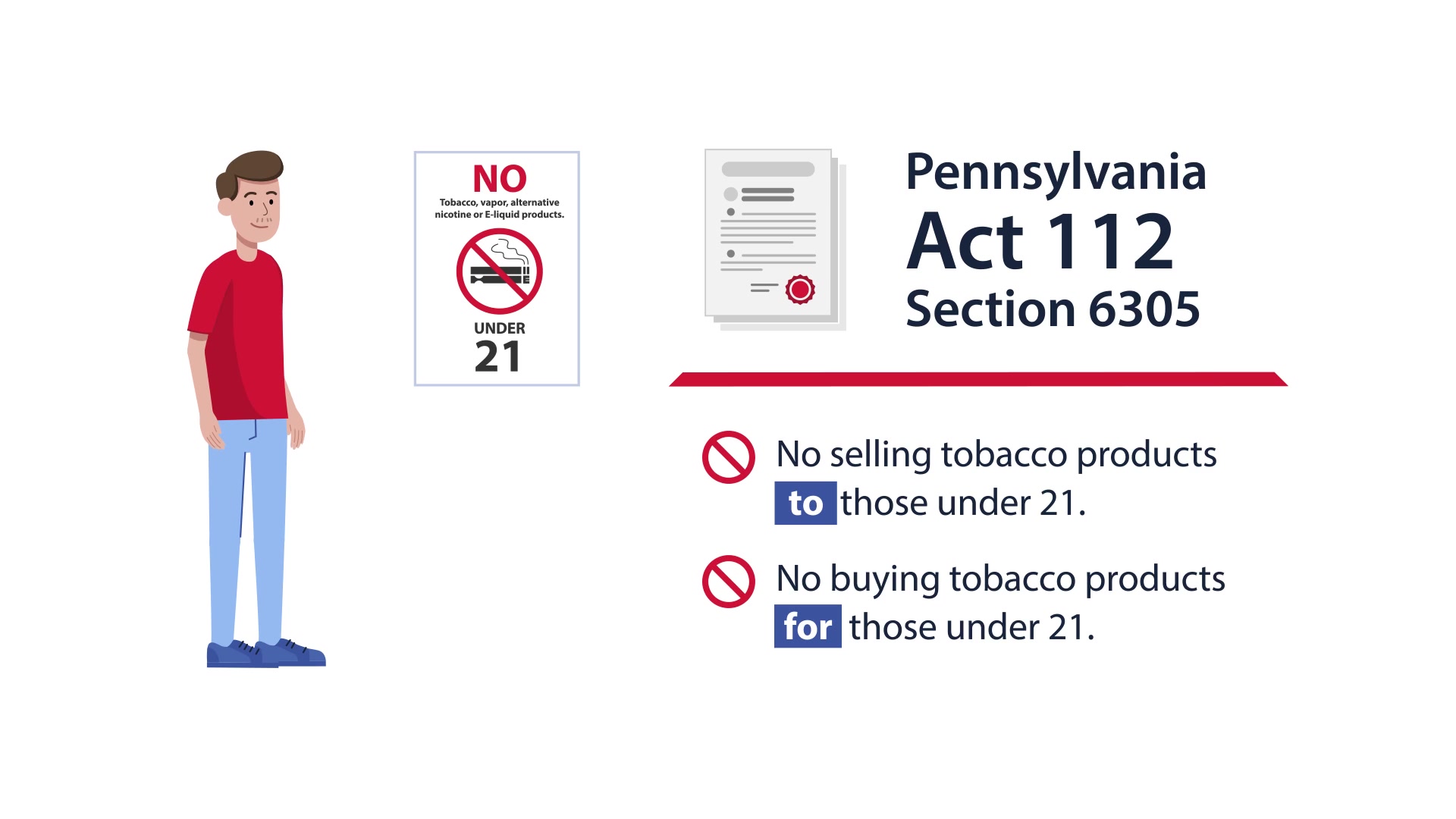
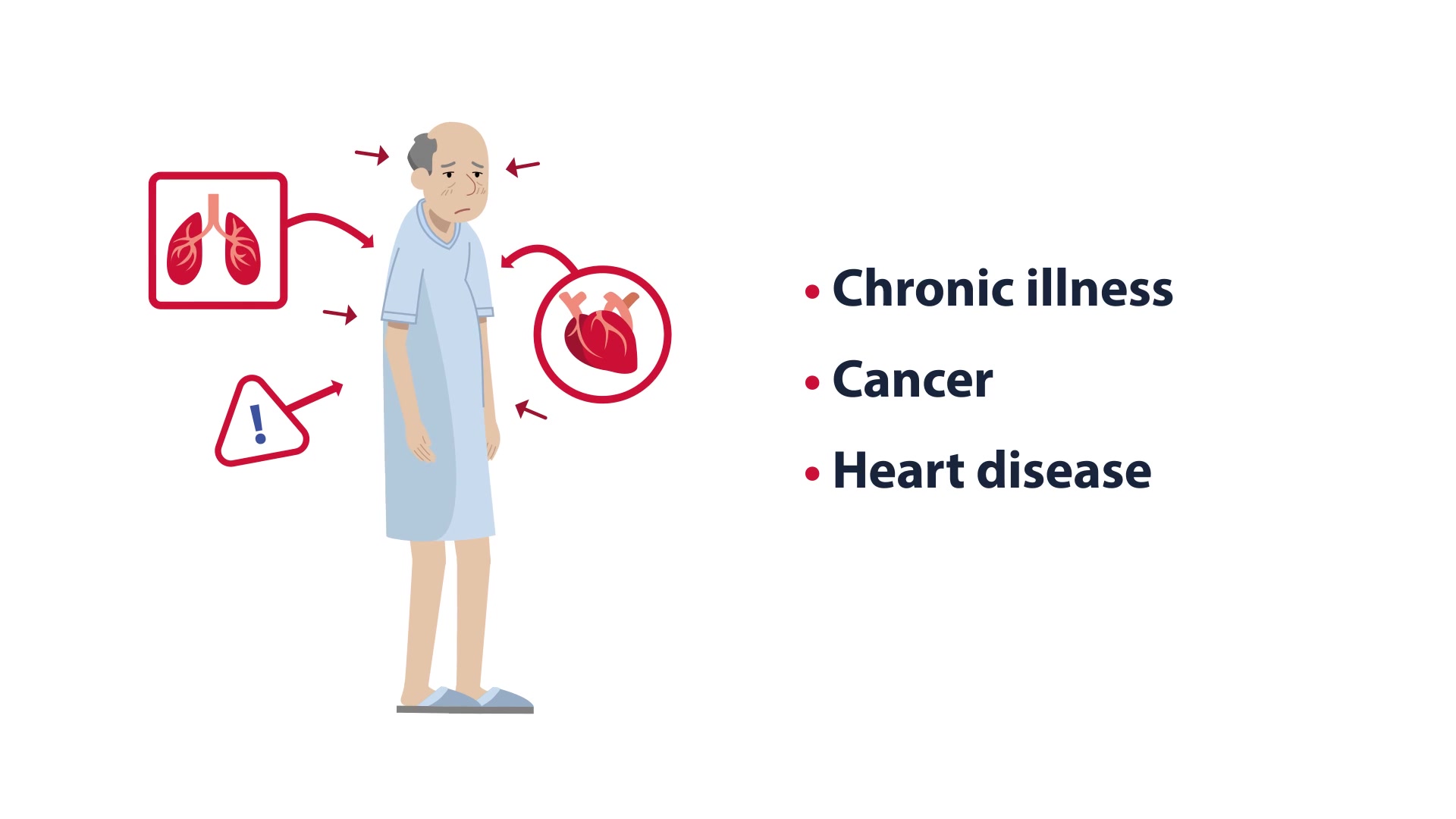
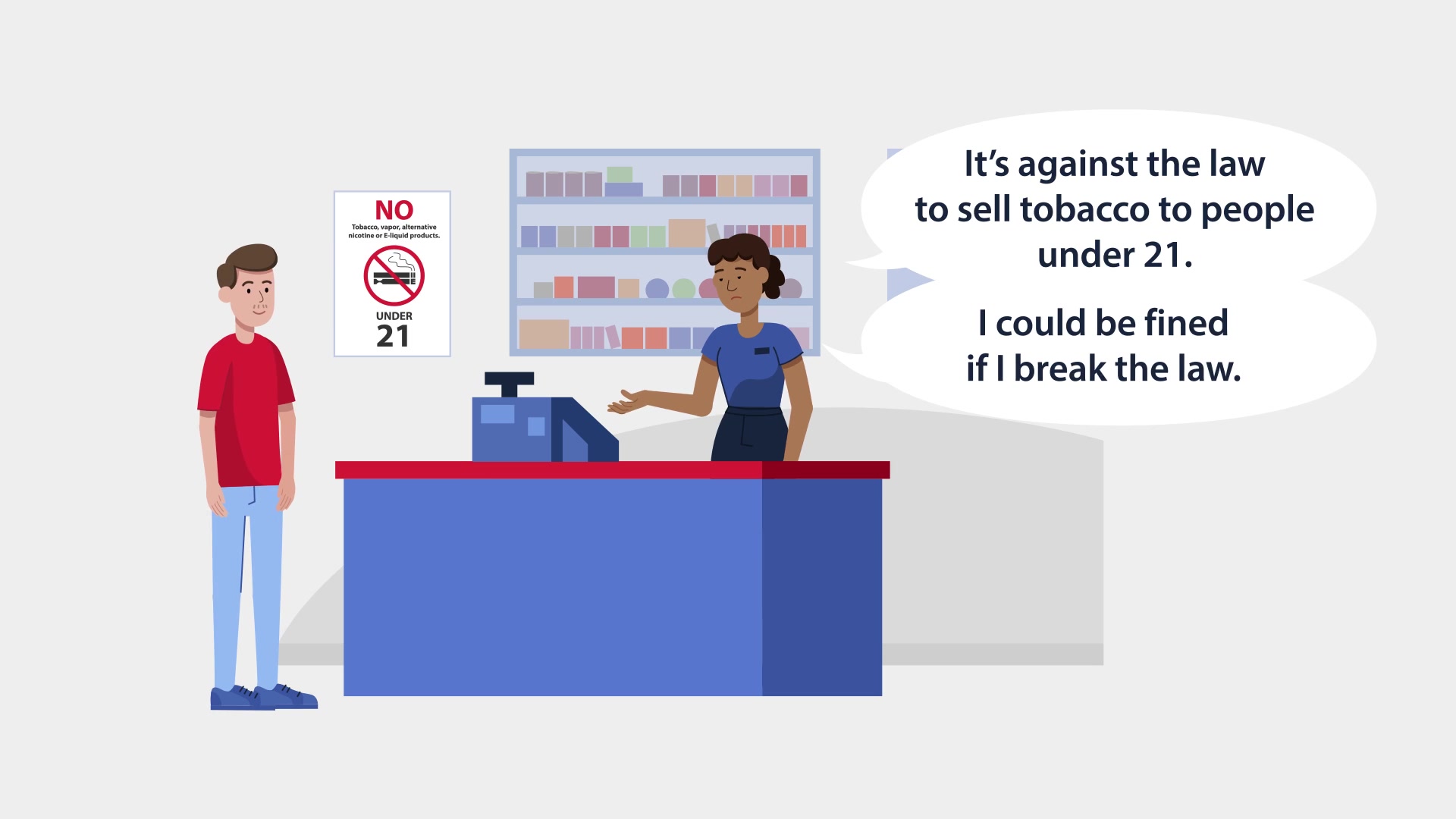
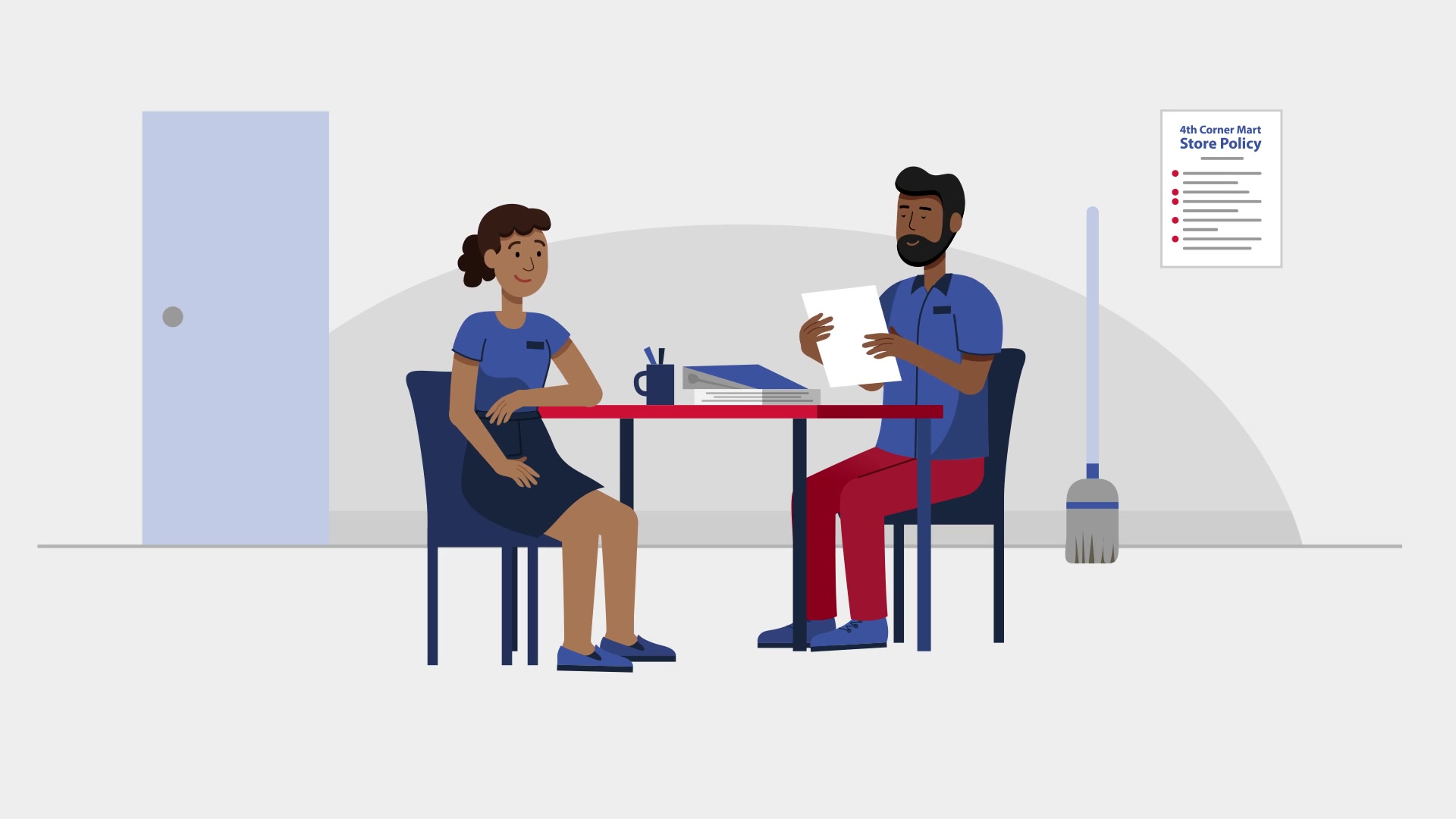
Public Health Management Corporation — an eight-episode, ten-minute 2D compliance training series produced with the state of Pennsylvania, covering Pennsylvania's tobacco sale law, the penalties under Act 112, and how retail staff should handle difficult customers. Each episode covers a single topic so employees can finish a module in a short session without stopping work. Full write-up: PHMC: Compliance training case study.
Introduction
When does 2D beat 3D?
2D is the right call when you want a clear, engaging result without the longer runway of 3D. It scales down as easily as it scales up, which is why most corporate and training projects start there. Most projects do not have to choose fully: several Motifmotion productions combine 2D and 3D animation in one piece. Full comparison, including cost and timeline for each technique: 3D Animation Services.
Choose 2D
When the subject is an idea, a process, a policy or a person. 2D simplifies complex ideas quickly, moves faster, costs less per minute, and is far easier to update when the content changes.
Choose 3D
When the subject is physical or spatial: a product, a device, machinery, or an anatomical process a flat illustration cannot show.
2D and 3D animation are often combined in a single piece, which the comparison above covers. When the graphic elements themselves are the whole piece, with no illustrated world around them, that is Motion Graphics Services instead. And when the deliverable is an original cartoon, a pilot or a full series rather than a style applied to an explainer, that is a different production: Cartoon Animation Services. Browse more 2D work in the full Animation Portfolio.
Our 2D animation process
Seven stages, with two rounds of revision included per phase so feedback gets caught early instead of piling up at the end. The workflow is the same whether the deliverable is one animated video or a fifty-episode program, and the same animation team runs it end to end. A locked style system carries across episodes, which is why a second 2D video in a series costs less than the first.
How much does 2D animation cost?
2D animation is priced per finished minute. Training and eLearning programs run $360 to $3,000 per minute, and a blended program averages $800 to $900 per minute. Explainer, brand and marketing work runs in the three bands below. Both bands come from Motifmotion's own pricing guide.
Modest
$4,500
– $7,000 per minute
Icons, geometric shapes and custom visual elements.
Typical of:
- Icon-led explainers
- Kinetic typography
- Motion built over supplied assets
Moderate
$7,000
– $11,000 per minute
Custom illustration and layered scenes with more movement.
Typical of:
- Custom illustration rather than stock
- Multi-scene narrative pieces
- Light character work
Premium
$8,000
– $15,000 per minute
Complex scenes and sophisticated character work.
Typical of:
- Original character design and rigging
- Full lip-sync and performance
- Layered environments and effects
Four things move the number: how complex the illustration and design are, how long the finished piece runs, how much motion it carries, and whether it is a one-off or part of a reusable series. Length matters more than most buyers expect. A twenty-minute program costs far less per finished minute than a single one-minute piece, because the script structure, design system, characters and motion all get reused across episodes.
How long does 2D animation take?
A 60 to 90 second 2D explainer takes about six to eight weeks from kickoff to final delivery. Longer and more modular work scales from there:
- 2D explainer video, 60 to 90 seconds: six to eight weeks
- 2D eLearning or training program: about six weeks to several months, scaling with module count and review rounds
- 2D character or cartoon series, five minutes: eight to fifteen weeks
Each of those figures comes from the FAQ on the matching Motifmotion service page. What stretches a timeline: new characters or environments built from scratch, extra rounds of review, and translations.
2D animation for employee training
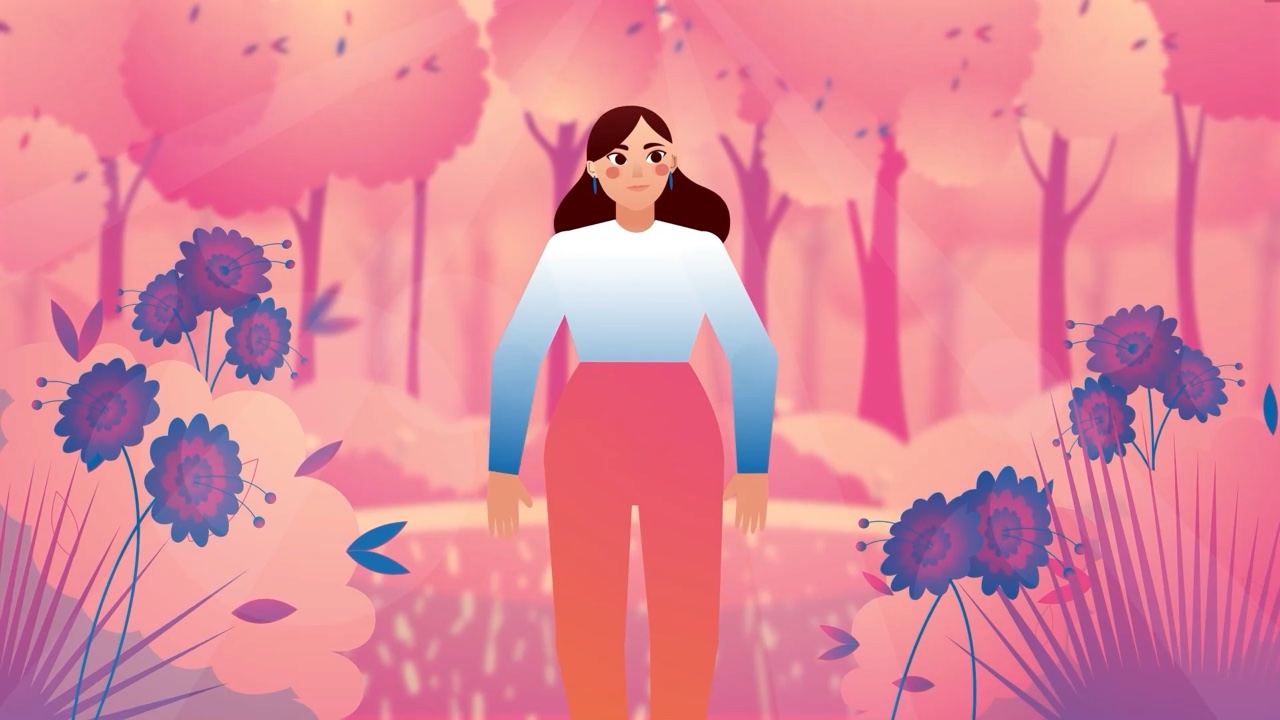
Healthcare Service Group — a 32-episode 2D employee training program, the only dialogue-driven series in Motifmotion's portfolio, built on a three-step service model of greeting, performing and closing. Full write-up: HCSG: Employee training case study.


Intro
2D animation services FAQ
$360 to $3,000 per finished minute for training and eLearning, averaging $800 to $900 per minute blended. Explainer, brand and marketing work is priced $4,500 to $15,000 per finished minute. What moves it: illustration and design complexity, length, how much motion the piece carries, and whether it is a one-off or a reusable series. The animation cost guide shows how 2D compares with other styles.
About six to eight weeks for a 60 to 90 second explainer, about six weeks to several months for a modular eLearning or training program, and eight to fifteen weeks for a five-minute original character series.
Professional 2D animation services cover the full build: script, storyboard, style frames, animatic, illustration, animation, voiceover and sound design, then delivery. Motifmotion's 2D video animation services run the same way whether the piece is a single explainer video or a modular program.
Discovery and scripting, storyboarding, style frames, an animatic that times the storyboard to a rough soundtrack, animation and illustration, sound design, then delivery packaged for web, social or an LMS.
Neither is better. 2D is faster and cheaper and scales to any budget; 3D suits a physical or spatial subject a flat illustration cannot show. Several Motifmotion projects combine both in one piece.
Named client work at the length and complexity you need, a defined process with review gates, and a studio that can show a reusable style system rather than a set of one-off pieces.
Yes. It remains the fastest, most budget-flexible technique for explainers, eLearning and training, and it is what most of Motifmotion’s client work — AccessLex, PBS-WHYY, Healthcare Service Group — is actually built in.
Scripting, storyboarding, character or icon design, illustration, animation, voiceover and sound design, and final delivery. That is the same full build whether the deliverable is a 90-second explainer video or a 50-hour eLearning course.
Reach out with what you are building. Scoping, style recommendation and the per-minute quote all come from the people who will do the work, after a short call rather than an hourly estimate.
Free tools like Canva can produce a basic templated explainer with an AI voiceover in an afternoon. What they cannot do is custom illustration, character rigging, script-first structure, or a review process, which is the work a studio adds above a template.
:quality(75))
Ready to scope a 2D animation project?
Tell us what you are making and what already exists: a script, a course outline, brand guidelines, or nothing yet. We will scope the work and come back with a fixed price.
We'll outline the approach, the timeline, and the next steps.