
Pharmaceutical & Biotech Animation
Mechanism of action, investor-relations and research visualization for pharma and biotech — produced for Wolters Kluwer, Merck, Pfizer, INOVIO and Bellerophon, medically referenced and packaged for MLR/PRC review.

Mechanism-of-action animation — epigenetic dysregulation, muted preview
Trusted by pharma & biotech teams
Motifmotion produces mechanism-of-action, investor-relations and research animation for pharmaceutical and biotech teams — medically referenced and MLR/PRC-ready.
:quality(75))
:quality(75))
:quality(75))
:quality(75))
:quality(75))
:quality(75))
Mechanism of action (MoA) animation
A mechanism-of-action animation visualizes how a drug or therapy works at the cellular and molecular level — the binding event, the pathway, the downstream effect. It is one of the most-commissioned formats in pharma and biotech: disease-state education, medical congresses, medical-affairs decks, product launches, and investor communication.
MoA shows how a treatment acts; mechanism of disease (MoD) shows how the condition itself develops. Motifmotion scripts each from its own reference set rather than reusing one narrative for the other. Most MoA animations run 1.5 to 2 minutes, scripted at roughly 100 words per minute so the science has room to breathe.
Our anchor example is the Bellerophon INOpulse program — a 3D medical device and mechanism walkthrough for clinical and commercial audiences, now detailed on our Medical Animation page. For staged biological process work at series volume, our Wolters Kluwer mechanism of action case study applies the same discipline across nine microbiology processes.
Proof: pharmaceutical and biotech animation
Wolters Kluwer — mechanism of action series. Nine animated episodes staging separate microbiology processes — bacteriophage replication, bacterial conjugation, antimicrobial resistance — each built to hold up under scientific review.
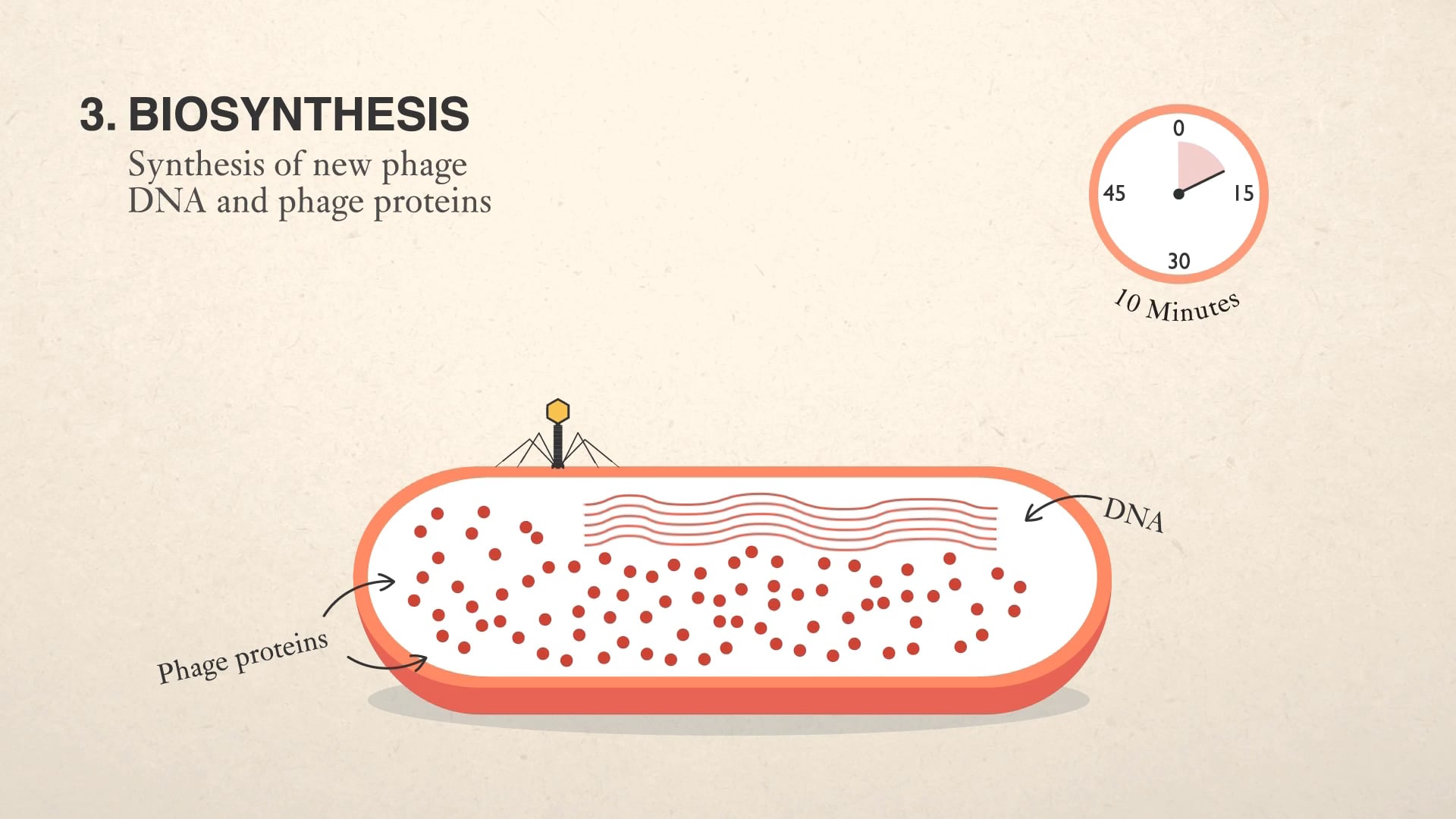
Lytic Process
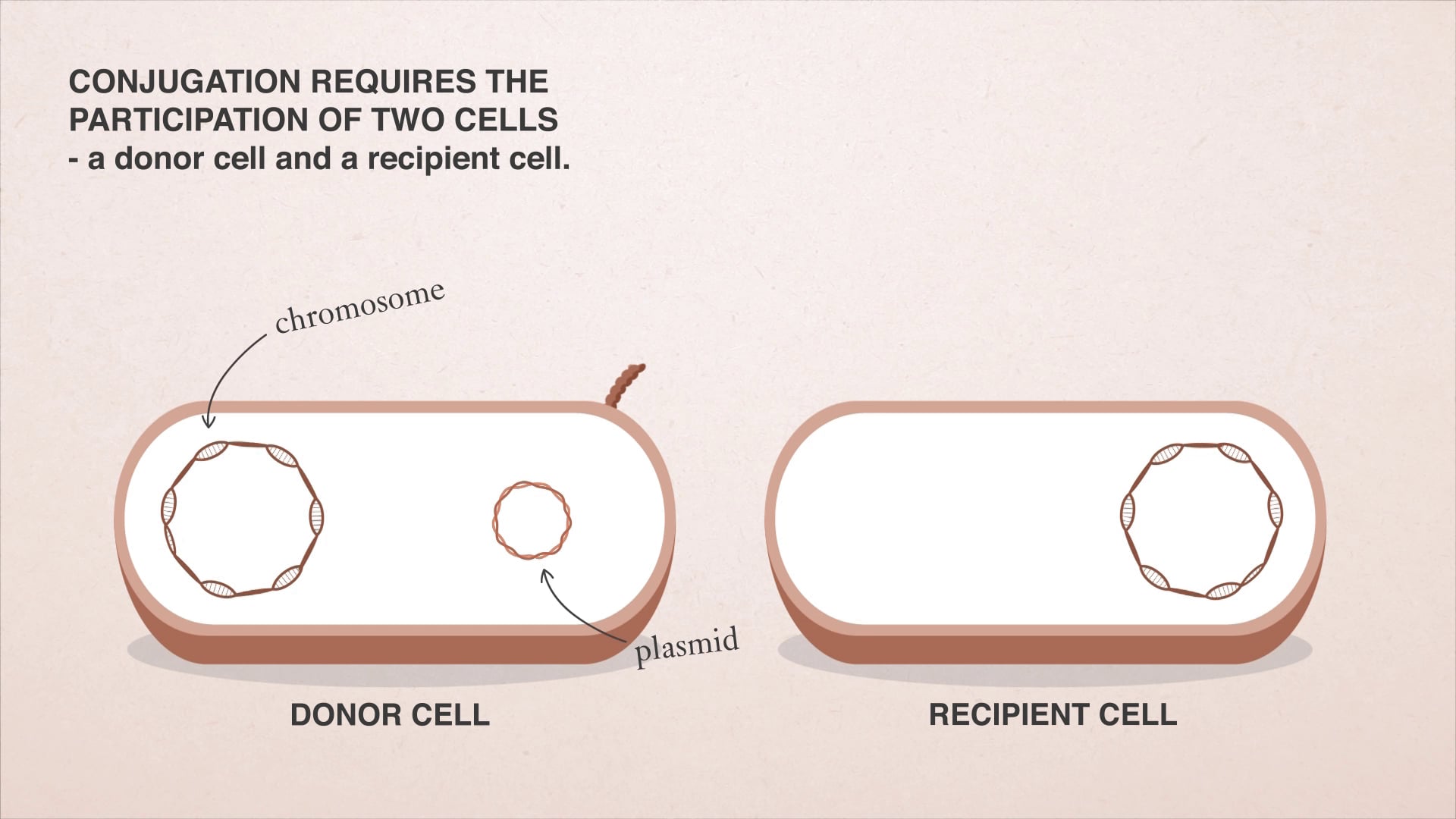
Conjugation
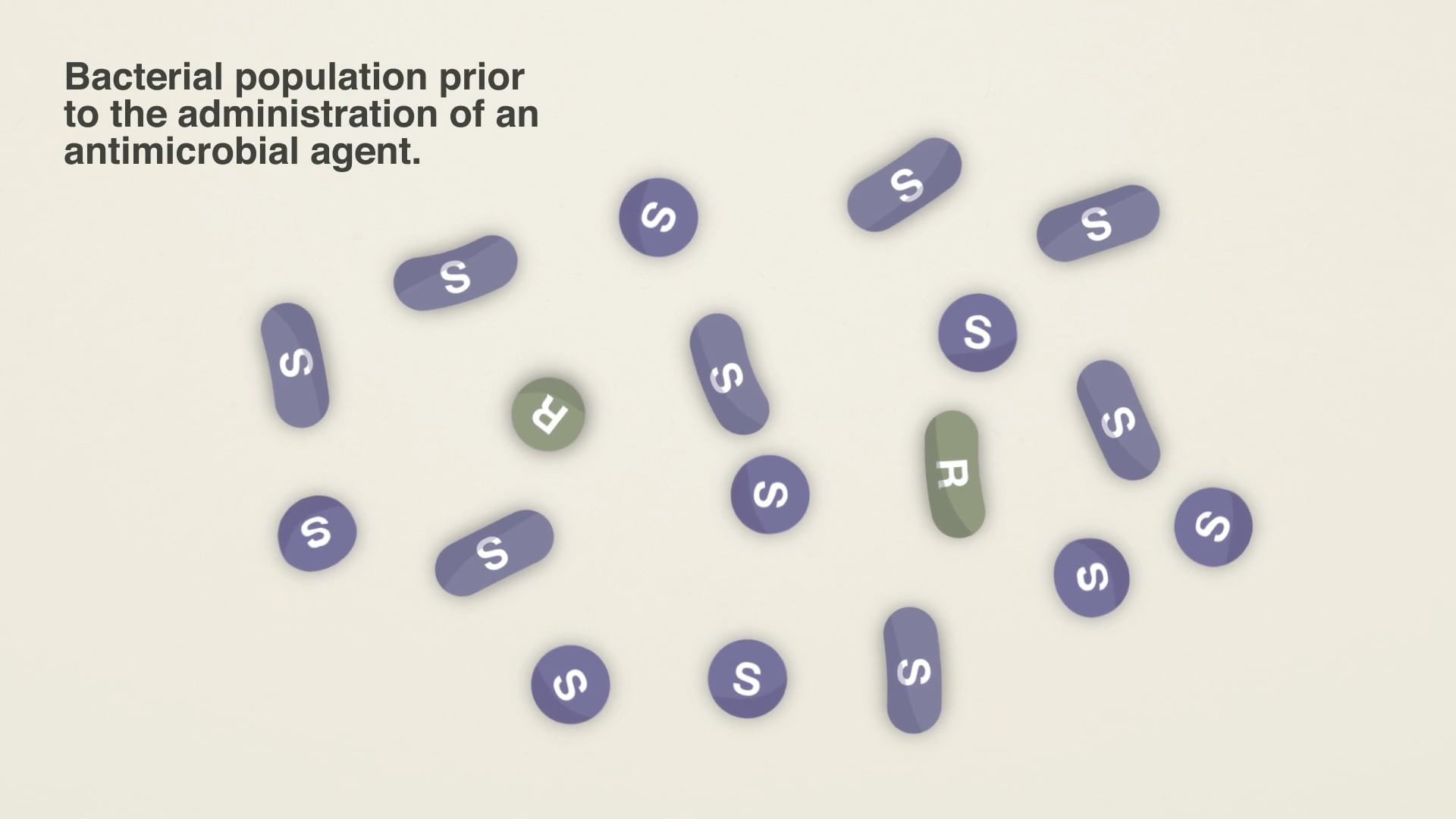
Selecting for Drug Resistant Organisms
Accuracy, MLR/PRC and regulatory use
Every Motifmotion pharma and biotech animation goes through your clinical or scientific reviewer before it moves past the storyboard stage — accuracy is the brief, not a finishing step.
For regulatory use, a referenced script and claims table can support an FDA or other regulatory submission — stated as support, never as a claim of acceptance. Ask your regulatory lead to confirm format requirements early. For data and chart animation, see our data and icon animation.
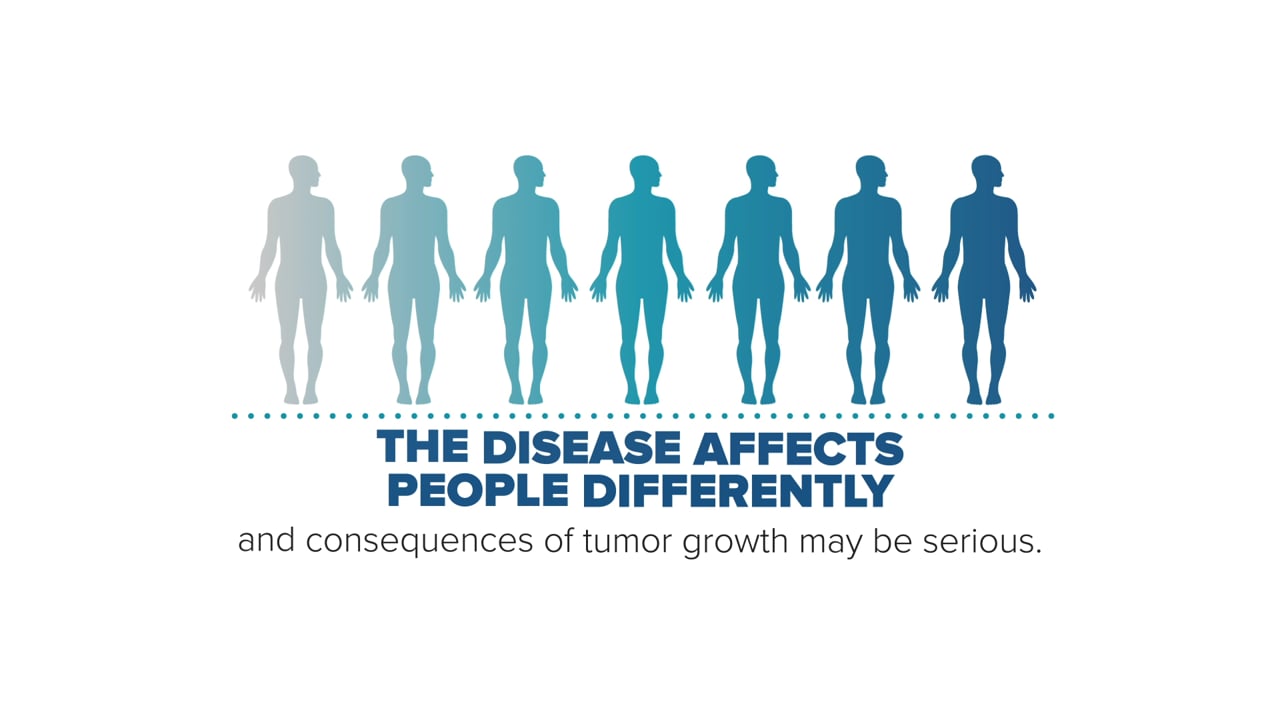
Scientific and research animation
Beyond commercial pharma, Motifmotion turns pharmacology, scientific concepts and research data into figures and animation for journals, grants, conference posters, patient education, and lab or university communication — 3D molecular, 2D pathway, and clinical-trial or data-update animation. A clear animated abstract or visualized result helps a finding get understood, and cited, faster.
This is the academic and science-communication lane, handled without diluting the scientific rigor the pharma work demands. Reach for 3D animation when the mechanism is spatial — a drug-target interaction, molecular binding; 2D is often faster and just as clear when the science is conceptual rather than spatial.
Investor-relations and research visualization
Motifmotion produces investor-relations and research animation for pharmaceutical companies and biotech teams who need a pipeline asset, a platform mechanism, or a study result understood by a non-specialist audience in under two minutes.
Formats include pharmaceutical explainer videos for roadshows and investor-relations sites, congress and poster animation, and research-to-plain-language pieces for journals, grants and lab communication — the same scientific rigor as the commercial work, aimed at a reader who needs the thesis, not the full dataset.
How much does pharmaceutical animation cost?
Pharmaceutical and biotech animation at Motifmotion runs from about $4,500 to $15,000 per finished minute, quoted as a fixed project price once scoped. Molecular complexity, review rounds, and localization for multiple markets are what move a project within that range.
Modest
$4,500
– $7,000 per minute
One clear mechanism or pathway, cleanly drawn — flat 2D illustration with minimal scene-building.
- Flat 2D pathway illustration
- Referenced script and scientific reviewer sign-off
- Straightforward to caption and localize
Moderate
$7,000
– $11,000 per minute
Layered scenes and finer molecular detail — the most common band for a real MoA or investor piece.
- Custom molecular or cellular illustration
- Multiple stages or structures
- Prepared for MLR or PRC review where needed
High end
$8,000
– $15,000 per minute
Full 3D molecular or device work with camera moves through the mechanism — highly technical work can move beyond this band.
- Custom 3D modeling, lighting and materials
- Simulation for molecular or fluid dynamics
- Assets reusable for congress, decks and investor materials
How long does it take?
Generally, a 1.5 to 2 minute MoA animation takes about six to eight weeks, assuming timely feedback at each review gate. It can run longer — up to twelve to sixteen weeks — for higher molecular complexity, additional review rounds, or multi-market localization.
Extra review rounds, new molecular assets to build, or localization for multiple markets each add time beyond that range.
Our pharmaceutical and biotech animation process
The same six stages regardless of format, with a review gate before anything is finalized.
Pharmaceutical animation FAQ
Accurate 2D/3D motion graphics that explain complex science — molecular pathways, drug mechanisms — to clinicians, investors and research audiences who cannot see the biology directly. Pharma and biotech teams use it for disease education, launches, congresses and investor communication.
It visualizes how a drug or therapy works at the cellular and molecular level. Used for disease-state education, congresses, medical-affairs decks, product launches and investor communication.
Most 1.5 to 2 minute MoA or scientific animations take about six to eight weeks assuming timely feedback at each review gate. More complex projects, extra MLR review rounds, or multi-market localization can push that to twelve to sixteen weeks. For a congress deadline, start about four months ahead.
From about $4,500 to $15,000 per finished minute for high-end animation, custom-quoted. Molecular complexity, review rounds and localization set the number within that range. Our animation pricing guide explains what sets the price per minute.
Every storyboard and script is referenced from peer-reviewed literature and can be annotated to your standard, so it is built to move cleanly through your MLR, PRC or MRC process.
A referenced script and claims table can support a submission — we prepare materials to your standard, but cannot state or guarantee regulatory acceptance. Ask your regulatory lead to confirm format requirements early.
Yes — pipeline explainers for roadshows and IR sites, congress and poster animation, and platform-mechanism content built to hold up with investors and analysts, not just clinicians.
:quality(75))
Ready to scope a pharmaceutical or biotech animation?
Tell us the mechanism or study, the audience, and your review process — MLR/PRC, a single scientific reviewer, or something else. We will scope the work and come back with a fixed price.
We’ll outline the approach, the timeline, and the next steps.