
Educational Animation Case Study
Fifty-three lessons, every one of them different, all of them one course. This educational animation program pairs each letter with its own sound, its own stroke path, and its own keyword image, and the finished set still has to read as a single curriculum rather than fifty-three separate videos.
Motifmotion produced both letter series for the Institute for Multi-Sensory Education: a 27-part lowercase alphabet course and a 26-part capital-letters handwriting course.
IMSE is a structured literacy authority. The animation had to serve their instructional model rather than decorate it, which meant sound and stroke order drove the design decisions instead of following them.
:quality(75))
Trusted by leading organizations
:quality(75))
:quality(75))
:quality(75))
:quality(75))
:quality(75))
:quality(75))
:quality(75))
:quality(75))
:quality(75))
:quality(75))
IMSE – Structured literacy across 53 episodes
We produced 53 letter-formation lessons for the Institute for Multi-Sensory Education across two courses: 27 lowercase episodes and 26 capital-letter episodes. Every lesson ties a letter's sound to a precise stroke path, and every lesson had to look like it belonged to the same course. This is the educational animation work the rest of our K-12 output is built on.
We had also produced IMSE's brand and mission film on structured literacy, so the vocabulary and the instructional model were already familiar before the letter work started.
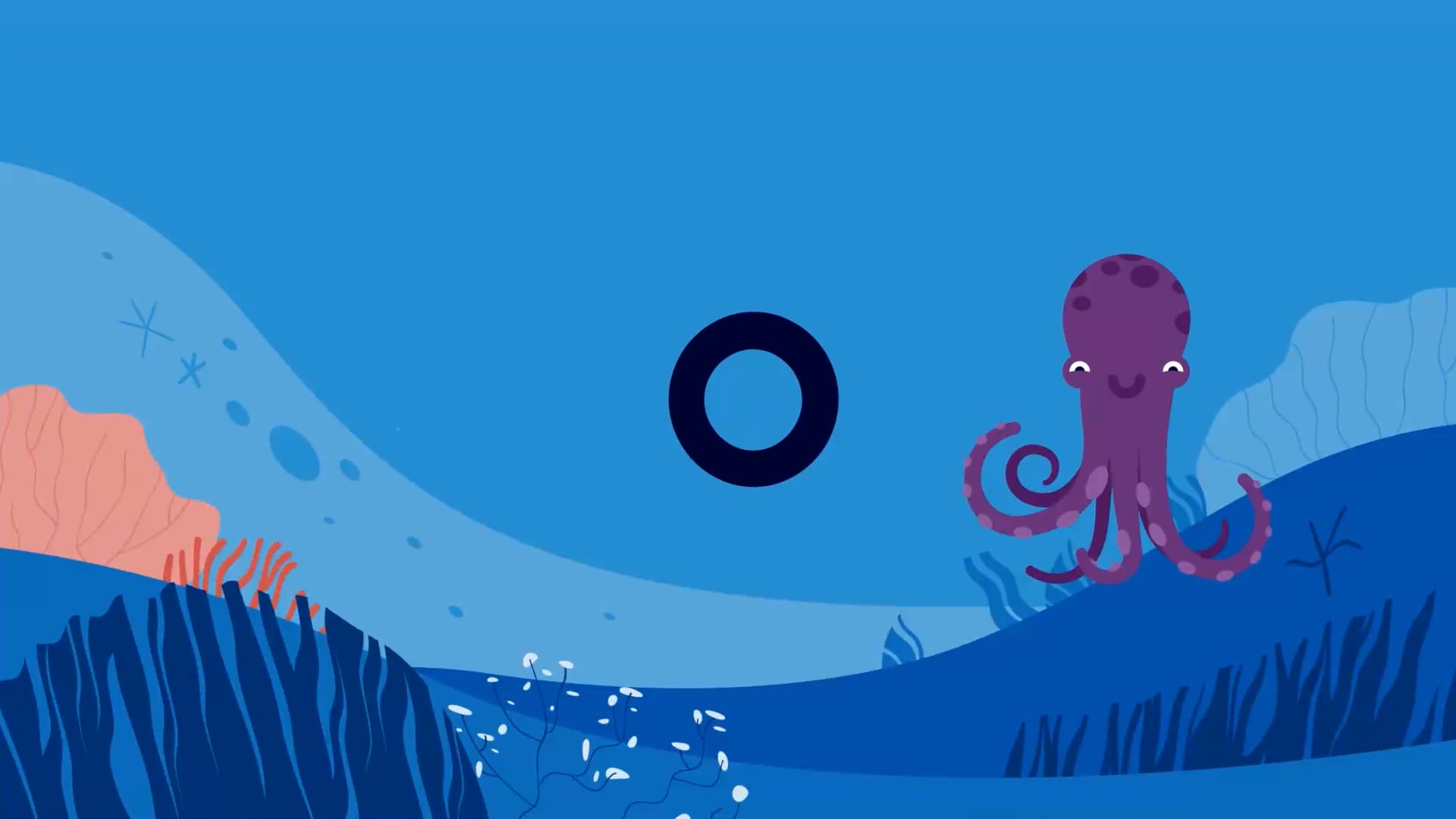
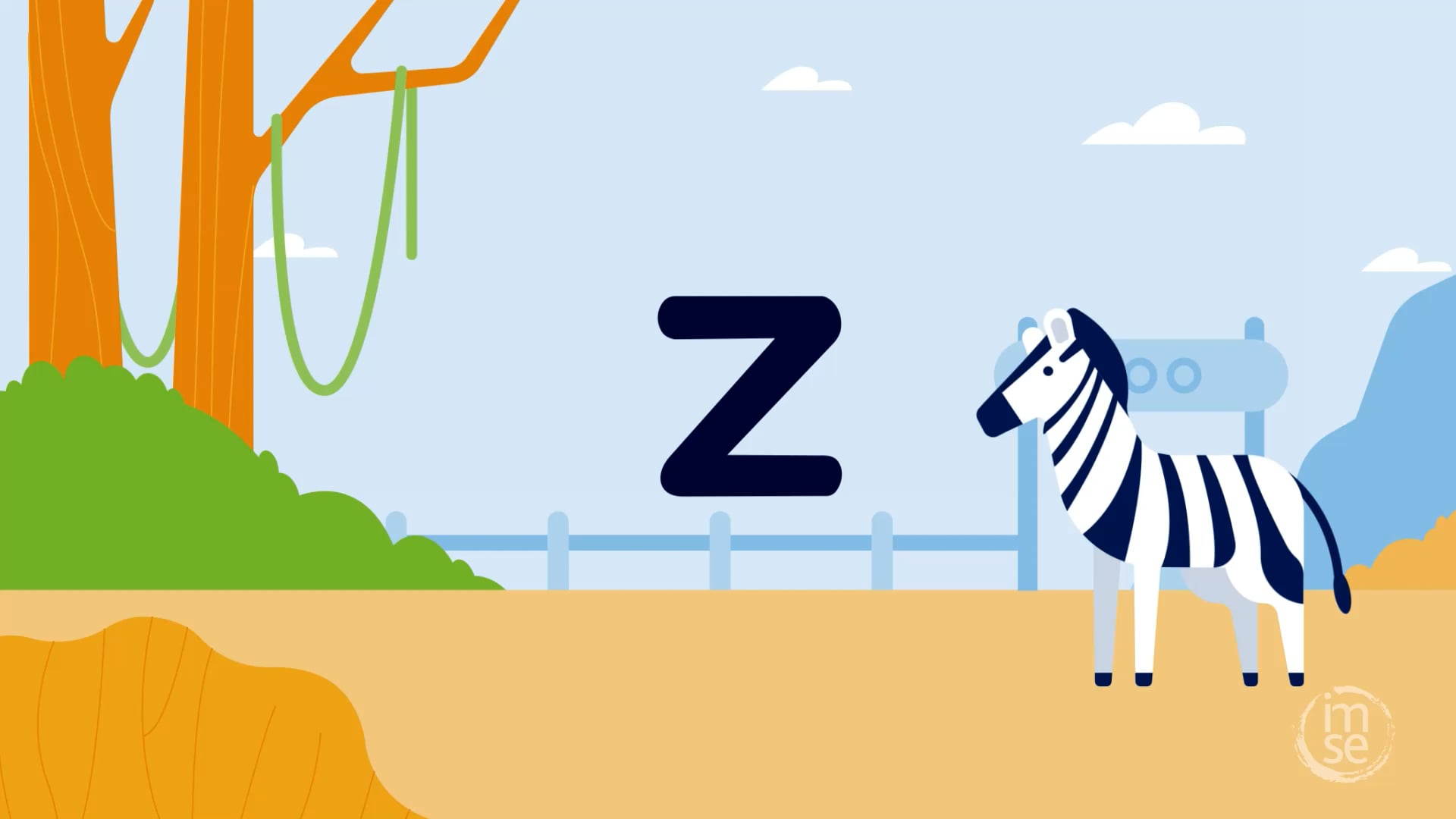
Letter O
One template, fifty-three variations
The work was a template problem before it was an animation problem. We fixed everything that could be fixed once, then varied only what genuinely changes from letter to letter.
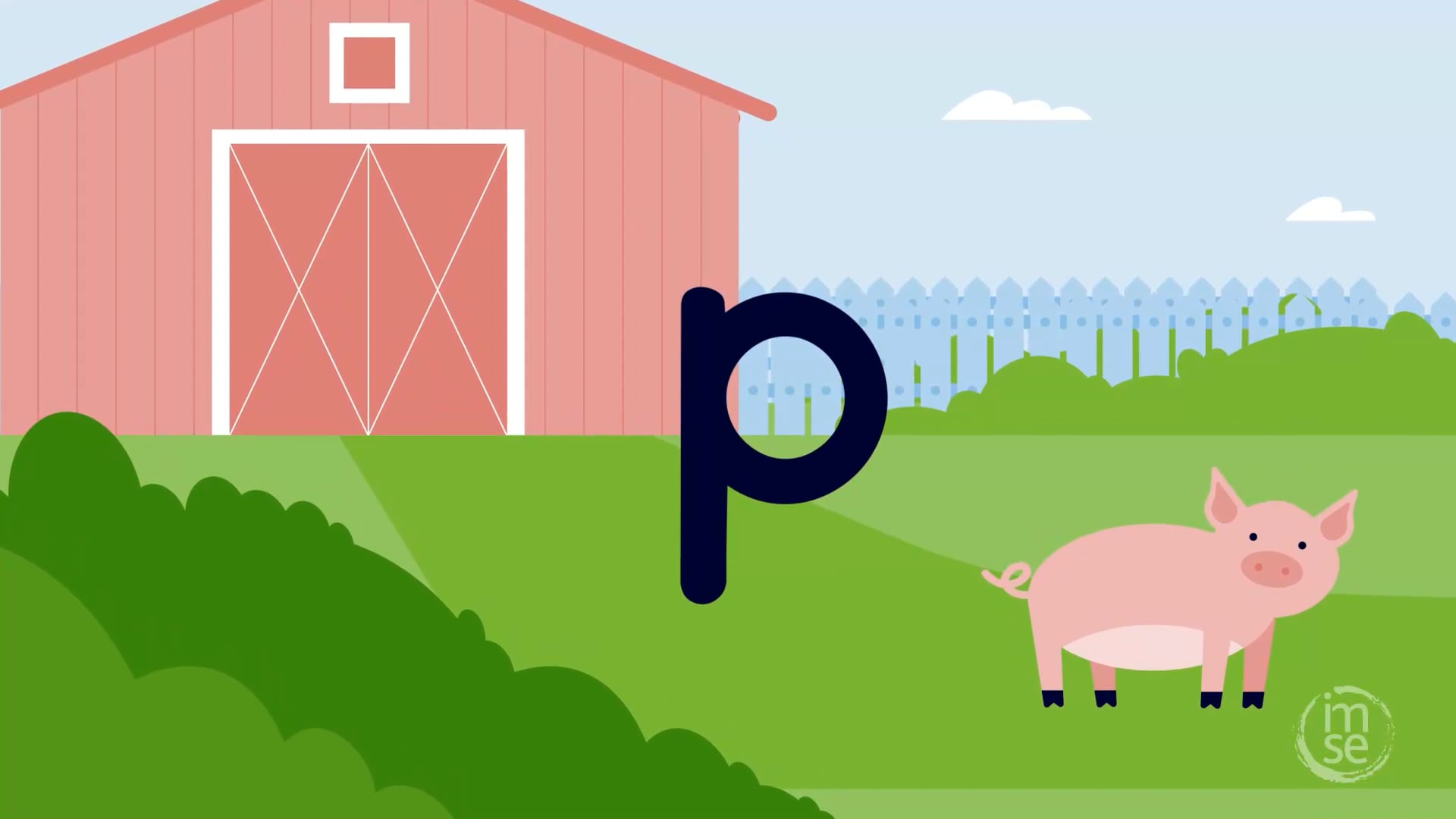
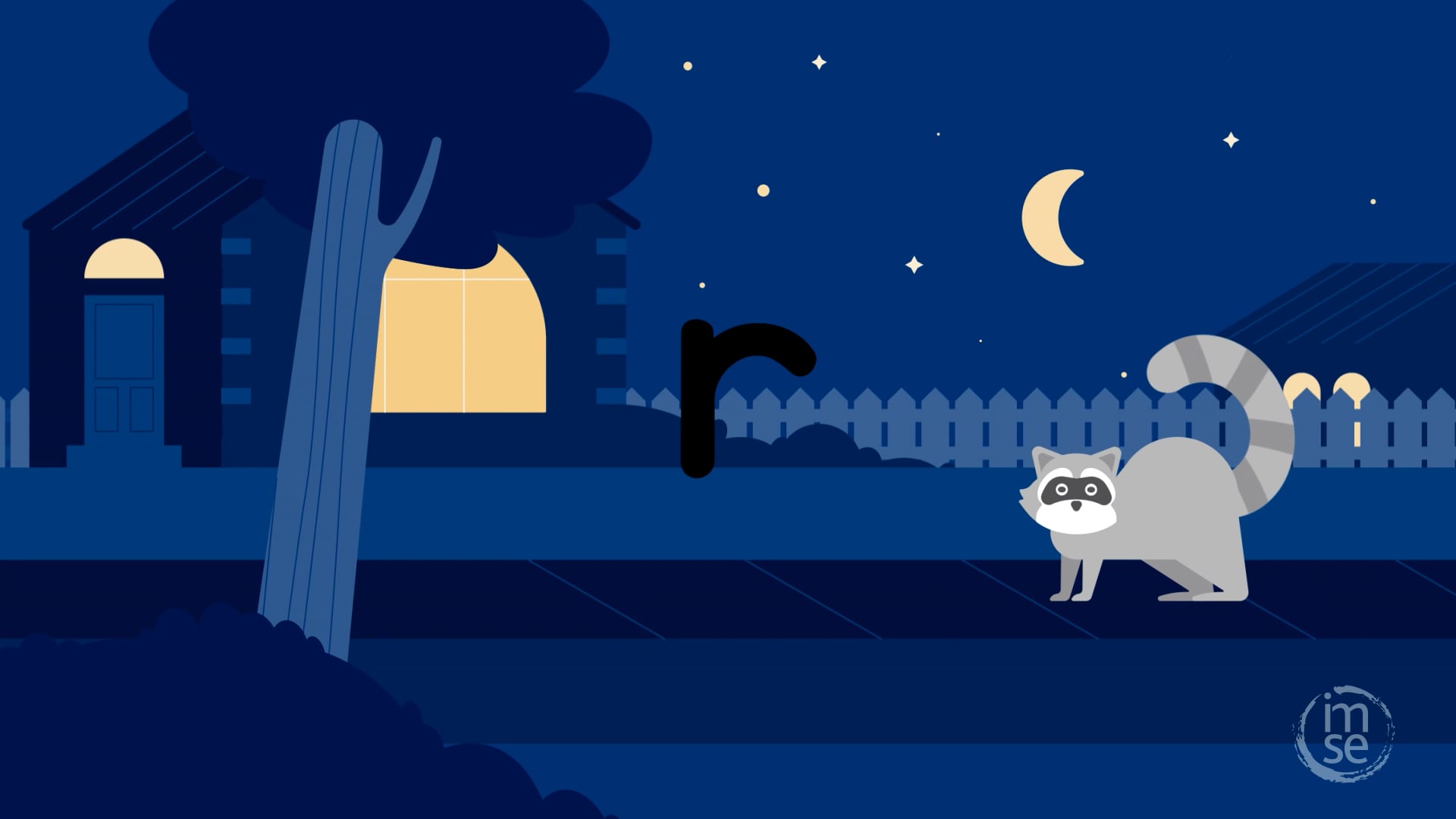
What stays constant is the lesson shape: the letter appears with its keyword image, the sound is spoken, the stroke path is demonstrated against the ruled guide, then the path is walked through a second time at the same cadence. A teacher who has seen one lesson knows how every other lesson will run.
- Fixed: lesson structure, pacing, ruled guide, typography, and the second walkthrough
- Variable: letter, sound, keyword image, and stroke path
- Each keyword gets its own scene, from a barn for p to a night street for r
- Every path demonstrated twice at a consistent cadence
Sound tied to a stroke path
In structured literacy the sound and the motion are taught together, so the animation had to hold both at once and in the right order. The stroke paths are described in IMSE's own vocabulary, against a four-line house with an attic, a ceiling, a floor, and a basement.
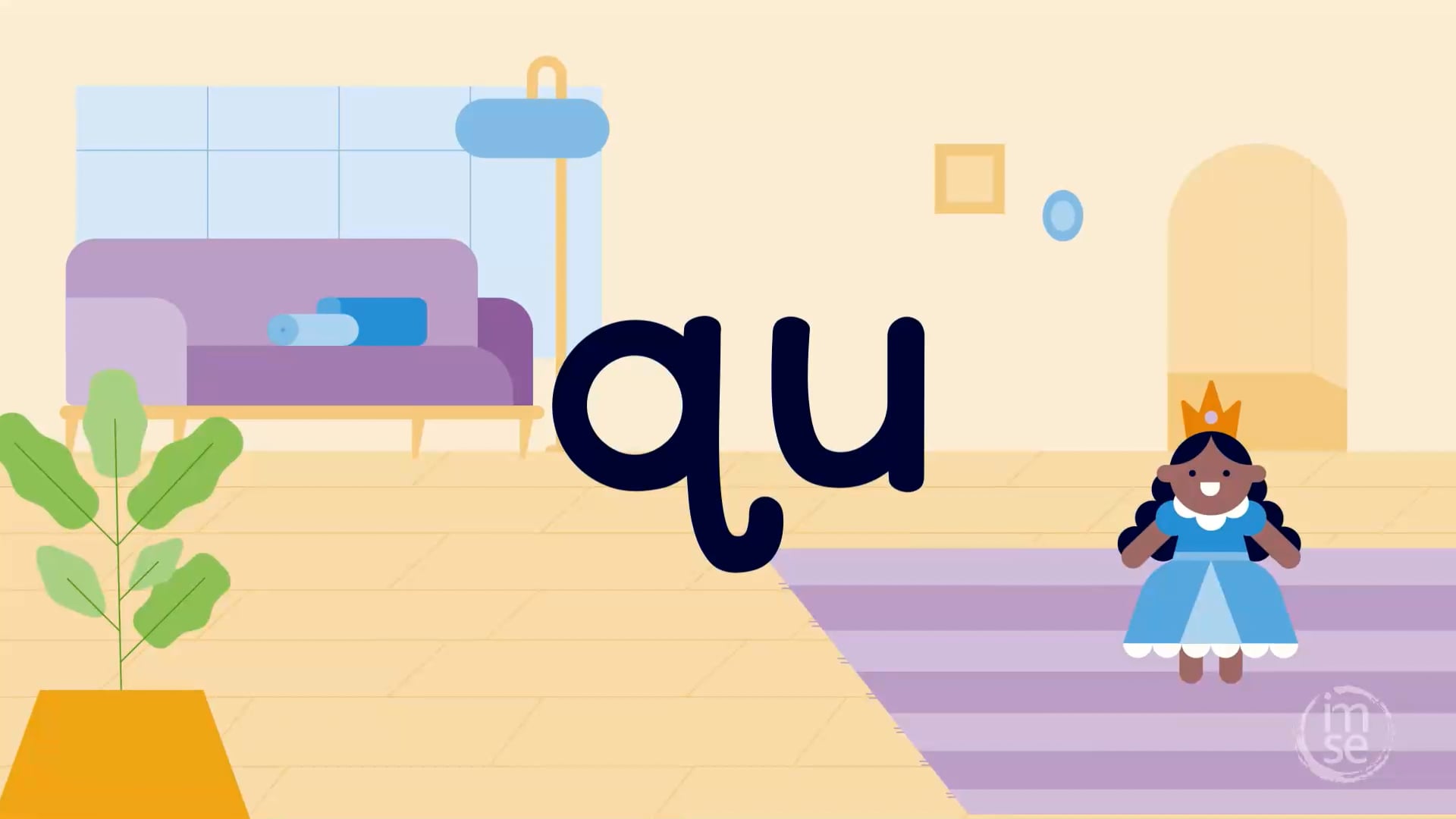
The awkward letters are where a template earns its keep. QU is not a letter, it is a pair, so the lesson teaches Q always paired with U and the single kw sound they make in queen, then walks both stroke paths in sequence. It is the longest lesson in the lowercase set for that reason.
X carries a different problem. Its sound is ks, and the keyword is box, so the sound the learner is listening for lands at the end of the word rather than the start. The lesson has to make that explicit instead of relying on the pattern every other letter follows.
- Stroke paths named in IMSE's four-line house vocabulary
- QU taught as a pair with a single combined sound
- X handled as a sound that lands at the end of its keyword
- An extended cut of K alongside the standard lesson
Have a curriculum to build?
Module libraries, course series, structured programs. Tell us what you are teaching and we'll come back with ideas.
Two courses, one system
The capitals course reuses the system and changes what it has to. The lesson shape, the cadence, the typography, and the keyword scenes carry straight across, so the two courses sit together as one program.
The ruled guide is the real difference. Lowercase letters are taught on a four-line house that includes a basement for descenders. Capitals sit on three lines, attic to ceiling to floor, because no capital drops below the baseline. Every stroke path in the second course had to be re-described against that guide.
For teams weighing a library of this size, the same structural thinking runs through our online learning video production work.
Treating both courses as one educational animation program is what keeps them usable together in a classroom.
- Four-line house for lowercase, three-line paper for capitals
- Stroke paths re-sequenced for every capital letterform
- Shared typography, pacing, and keyword scenes across both courses
- Roughly 25 seconds per lowercase lesson, about double for capitals
Where this educational animation model works best
This model suits any program where the library matters more than any single piece. If you are producing fifty modules, the risk is not that one of them is weak. The risk is that the fiftieth does not match the first.
It fits curriculum publishers, K-12 and EdTech teams, and training libraries that grow over years. The 2D animation approach used here keeps per-episode cost predictable once the system is set, which is what makes a set this size affordable to finish.
- High-volume curriculum and course libraries
- K-12 and EdTech publishers
- Programs that expand module by module over time
- Any library where consistency outranks any single episode
Related case studies
 Educational
PBS-WHYY: Educational series
PBS/WHYYAn Emmy-winning civic education series for public media, built as episodes that stand alone while sharing one visual system.
:quality(75)) Higher Ed / Test Prep
Higher Ed / Test PrepAccessLex: eLearning video series
AccessLex InstituteOver 50 hours of bar-prep coursework blending live actors with 2D animation, produced as one system across dozens of hours.
:quality(75)) Training / Compliance
Training / ComplianceA modular compliance training series built for consistent rollout across a distributed workforce.
:quality(75))
Ready to get started?
A course library holds together when the system is decided before the first module. Motifmotion can help. Contact us in a few different ways:
We'll work with you to understand your objectives, how we can provide assistance and we'll outline the next steps.