
Motion Graphics Services
Motion graphics for social, product UI, presentations and titles: type, icons, data and brand systems in motion.
From 4G to 5G, produced for Spirent
Trusted by
:quality(75))
:quality(75))
:quality(75))
:quality(75))
:quality(75))
:quality(75))
:quality(75))
:quality(75))
:quality(75))
:quality(75))
:quality(75))
Motifmotion is a Philadelphia animation studio, and our motion graphics services cover animated type, icons, data and brand elements for social ads, product and SaaS interfaces, presentations and titles. We have built motion graphics into client work for Johnson & Johnson, The Judge Group, Mac Papers + Packaging and Spirent. Motion design sits alongside our other design services, so the same animator who sets the style frames animates the final piece, as part of a full production with script, storyboard, animation and sound. Motion graphics is one of three animation techniques we offer; the full range sits on our Animation Services page.
What do motion graphics do?
Motion graphics move type, icons, shapes and data to deliver a message directly. No characters, no world, no story arc. Animation builds a world for characters to live in, video records something that already exists, and motion graphics animates the graphic elements themselves.
The difference is not the software or the technique, it is what the movement is trying to accomplish. Animation asks how to bring a character to life. Motion graphics asks how to communicate an idea. That focus is what makes it fast to read:
- A statistic animating onto screen
- A logo unfolding
- A UI element highlighting itself
The shortest way to put it: motion graphics is graphic design in motion. The same thinking a designer brings to a layout — hierarchy, type, composition, brand — applied to something that moves. That is what lets it simplify complex ideas quickly, and why it sits so naturally next to the rest of a brand's video content.
Motifmotion treats it as one tool inside a full animation practice. It is a subset of animation, not a separate discipline, and it often sits inside a larger piece: an intro sequence on a longer film, a data section in the middle of an animated explainer, or a title card on a video that is otherwise live action.
Motion graphics or animation: which do you need?
The two overlap enough that the words get used interchangeably, but the choice is really about what the movement has to accomplish. Animation tends toward visual storytelling; motion graphics tends toward visual communication. Both use the same software, so the tool decides nothing, and the animation style you end up with follows the job rather than the other way round.
Choose animation
When a character, a scene or a story carries the message. Acting, expression and timing are doing the work, and the viewer is meant to feel something before they understand it.
Choose motion graphics
When information carries the message. Type, data, icons and brand identity are doing the work, and the viewer needs to understand complex ideas quickly.
Most projects blend the two. An animated video can open on an illustrated scene and cut to a data section, and mixing 2D and 3D inside one piece is routine. If the whole project is illustrated scenes rather than graphics in motion, that is 2D animation instead.
Have a deck, a dashboard, or a launch to animate?
Tell us what exists and we will scope the work around it.
Where motion graphics get used
Six areas cover most of the work Motifmotion produces, and the types of motion graphics they call for differ. Each one has a page of its own if it is the whole project rather than a section inside one.
Short, type- and icon-led cuts built for feeds and paid placements, the kind that gets seen most and read fastest.
Interface elements, data and workflow steps animated over a real product screen, built for onboarding and platform navigation.
A section inside an explainer video, best when the content is system-level: timelines, frameworks, statistics, multi-step processes.
Titles and kinetic typography
Animated text carrying the message on its own: title cards, quote-driven pieces, lower thirds. The leanest work here, which is why it turns around fastest and costs least.
Data and process animated into a pitch deck or an internal communications video, with the same system reused meeting to meeting.
A short motion-graphics-led cut for a homepage or product launch page, built to earn attention in the first few seconds.
Motion graphics across sectors
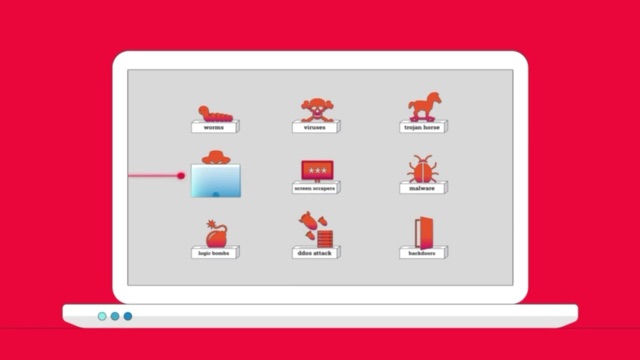
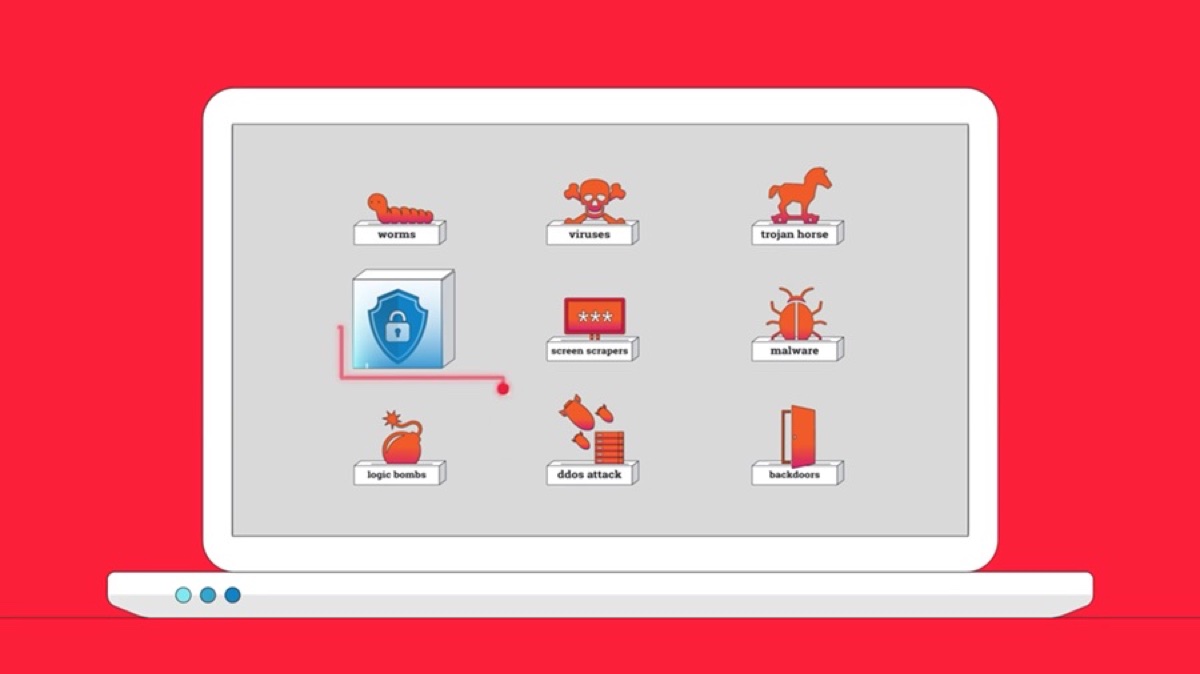
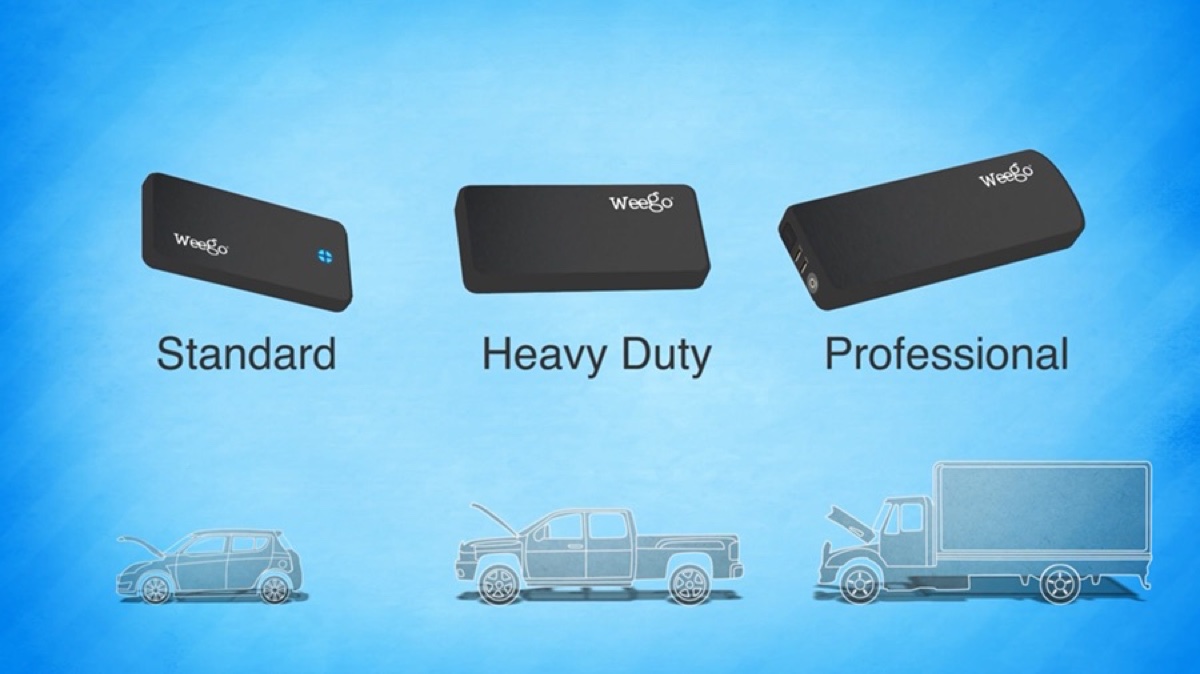
A threat explainer built as an illustrated icon system, product graphics for a physical product, a kinetic-typography piece over a map, and a software walkthrough built for a public health agency.
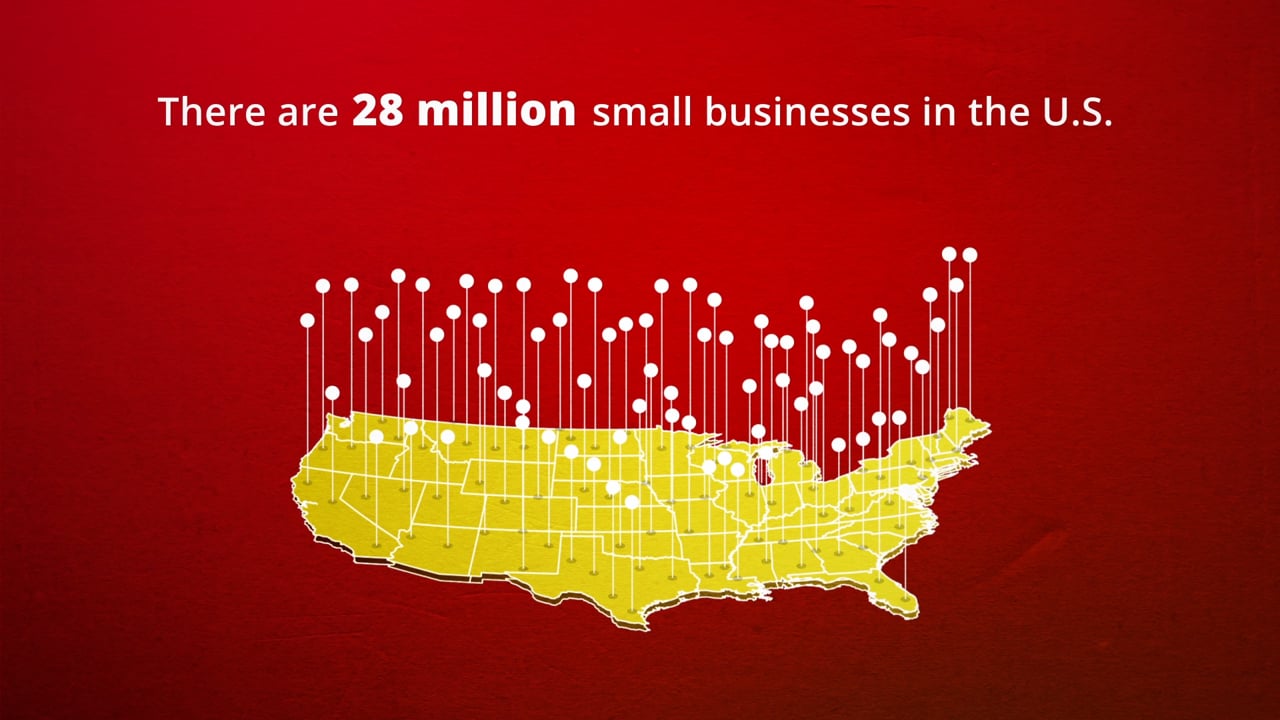
Small Business Cybersecurity
Portable Batteries
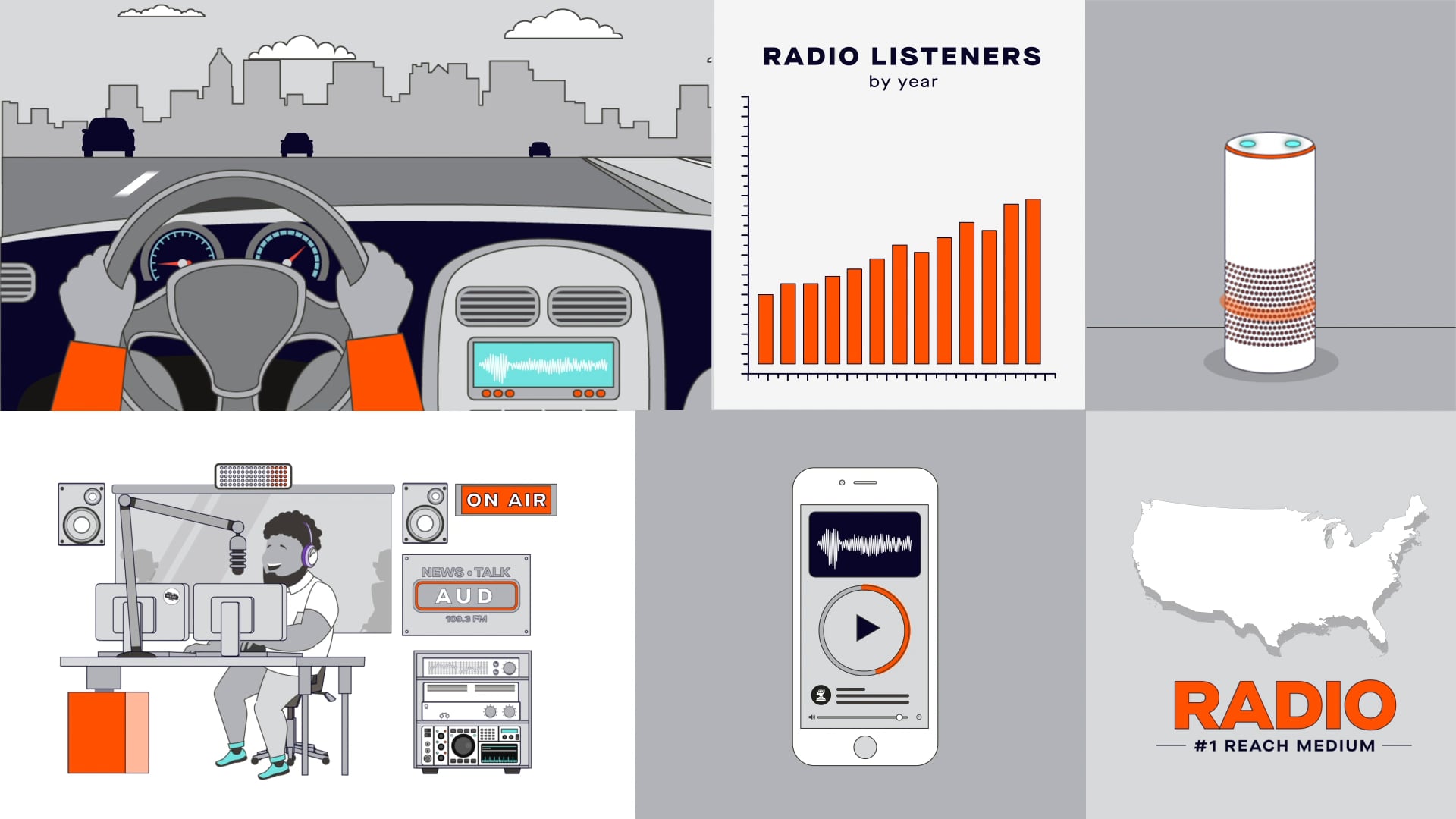
Foot Traffic
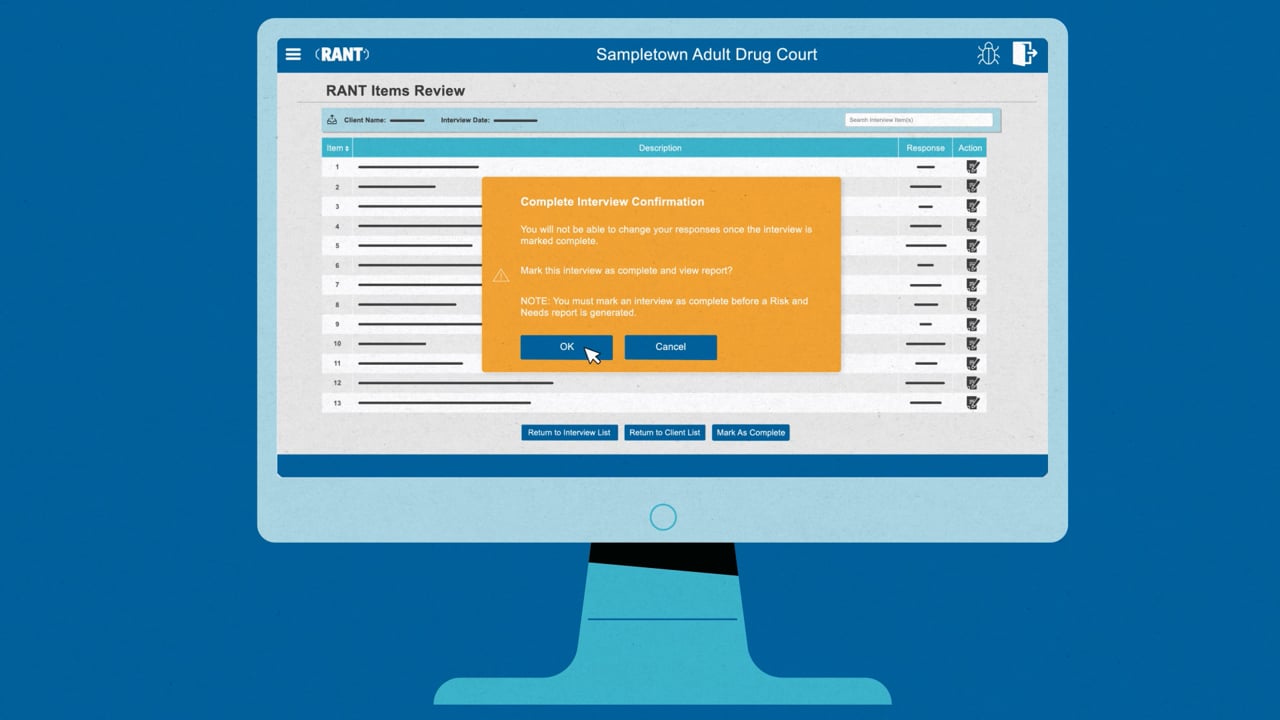
Risk and Needs Triage Walkthrough
For a piece built specifically around presentations and internal communications, see Corporate animation videos for businesses and brands. When the data or product needs to read in three dimensions, a device, a machine or a spatial process, that is 3D motion graphics services, on our 3D Animation Services page.
Our motion graphics process
Seven stages, with two rounds of revision included per phase so feedback gets caught early instead of piling up at the end. Most projects compress a few of these: a locked script, an existing style, or footage to layer motion graphics over all shorten the run.
Motion graphics we've produced
Spirent — Product Demonstration Series. A four-episode motion graphics series on network test and assurance: consumer product needs, high-speed dependent networks, automotive ethernet devices, and real-world performance. Interface, diagram and animated type carry each episode; no illustrated world is built, because none is needed to make network architecture legible.



Ep01: Consumer Product Needs
How long do motion graphics take?
Most Motifmotion video work of comparable scope runs six to eight weeks from kickoff to delivery, using the same discovery, script, design, animation and sound process used across the studio. Motion graphics sits at the faster end of that range because there is no illustrated world to build.
- A single logo animation or a short social cut moves fastest
- A layered, multi-scene piece takes longer
- Each round of review adds time on top
Clients running a series move faster on every piece after the first, because the system is already set and only the content changes.
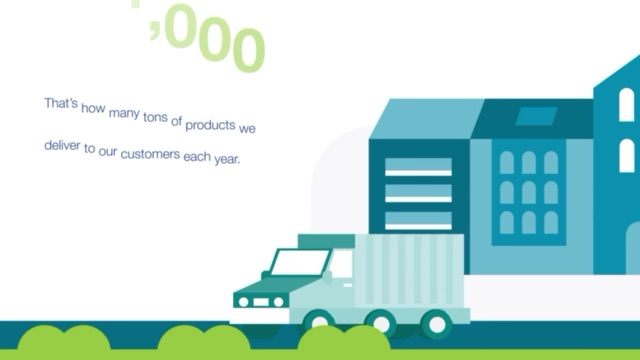
Platform launch motion graphics
Philanthropi — a flagship film introducing the platform behind employee-driven corporate giving. Product screens, a funded impact account, grant-making and an executive dashboard of live charts run against an icon network of employees radiating from a single heart. No characters and no illustrated world: type, data, icons and brand carry the whole piece, warmth included.
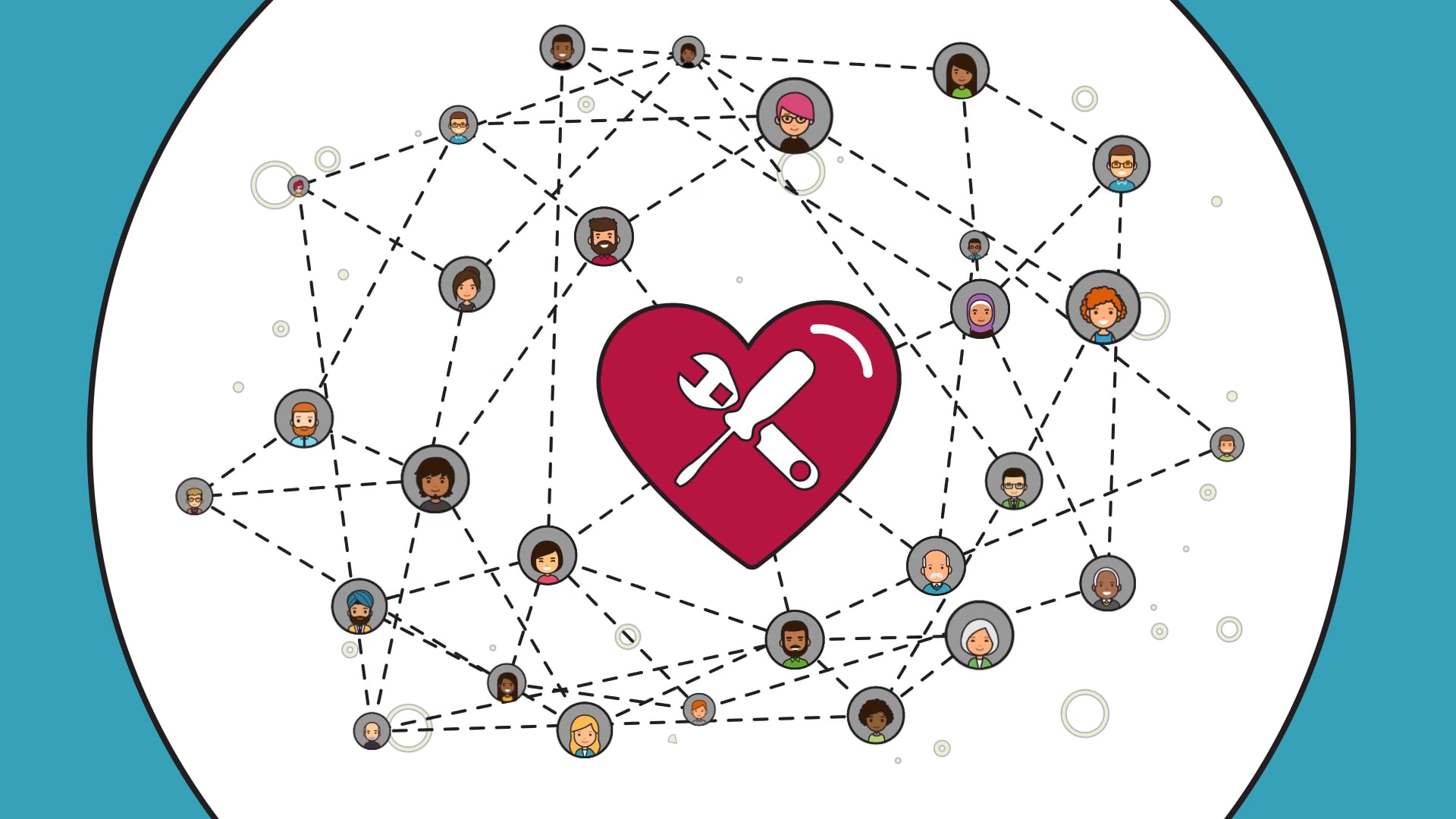
Philanthropi Flagship
A motion system, not a one-off
Motifmotion builds a reusable motion system for clients running more than one piece: a template, a lower-thirds design and a transition set that every new video reuses instead of starting from zero. That is not a marketing claim, it is how the pricing works. Long-form programs reuse assets, layouts and design systems across modules, which is why a few minutes of high-end animation can cost more than an entire hour-long training program.
The system covers what motion graphics is built to carry, set once and then reused:
- An animated logo
- A lower-thirds treatment
- A title-card style
- The transitions between them
A series produced as a program from the start reuses scripts, design systems and motion across episodes, so cost per video drops as the program grows. Our job explainer series for The Judge Group ran on exactly that cadence: every piece under 35 seconds, one look carried across all 18 episodes.
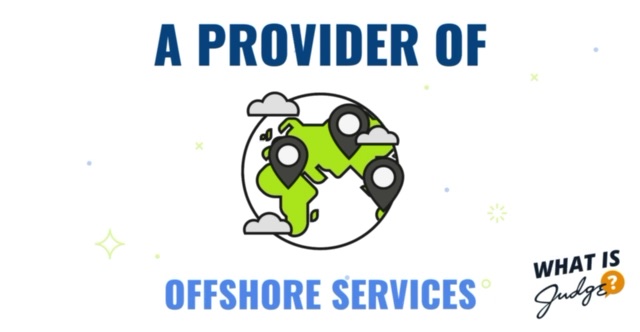
Watch the full reel in the Animation Portfolio.
How much do motion graphics cost?
Motion graphics is priced per finished minute, in the same three bands as the rest of Motifmotion's short-form work. Which band a project lands in depends on how much is designed from scratch and how much movement the piece carries.
Modest
$4,500
– $7,000 per minute
Icons, type and data on screen.
Typical of:
- Kinetic typography and title cards
- Icon-led explainers
- Logo animation and lower thirds
Moderate
$7,000
– $11,000 per minute
Custom-illustrated, layered pieces with more movement.
Typical of:
- Custom illustration rather than stock icons
- Multi-scene narrative pieces
- Layered transitions and sound design
Premium
$8,000
– $15,000 per minute
Complex scenes with sophisticated visual work.
Typical of:
- Product renders and technical callouts
- Dense data and system visualization
- Broadcast and campaign deliverables
A system set on the first project lowers the cost of every piece after it, which is what makes a run of pieces more cost-effective than a single one and why marketing teams tend to commission in batches.
Motion graphics services FAQ
Motion graphics is a subset of animation. Animation brings characters and scenes to life for storytelling; motion graphics animates type, icons, data and brand elements to communicate information. Same software, different intent.
2D animation builds illustrated scenes and characters. Motion graphics moves graphic elements with no world around them. Most motion graphics is made in 2D, so the distinction is what is moving rather than how it is built.
About $4,500 to $11,000 per finished minute on average; unusually complex pieces can run higher. Icons, type and data on screen sit at the lower end; custom-illustrated, layered pieces with more movement sit higher. Priced per finished minute. See how motion graphics compare with other styles in our animation cost guide.
Most work of comparable scope runs six to eight weeks from kickoff to delivery. A single logo animation or short social cut is faster; a layered multi-scene piece and extra review rounds add time.
Yes. A logo, a type system and a palette are usually enough to build a system from. If brand guidelines exist we work inside them, and the logo animation and lower-thirds treatment become reusable across every later piece.
Yes. Motion graphics layered over a real product screen is one of the most common jobs we produce, used for onboarding and platform navigation. The same applies to layering it over stock or client-supplied footage.
Files sized for web, social, an LMS or broadcast, in every cut and aspect ratio the campaign needs. Delivery is the final stage of the same process used across the studio.
Look at named client work, not a reel. Ask what was built, for whom, and whether the studio runs full production, script, storyboard and sound, or hands over raw animation only.
Broadly yes. Motion design is the wider craft; motion graphics is what a motion designer produces. Motifmotion runs motion design services inside the same studio as its other design services rather than as a separate motion design studio.
Regularly. UI animations over a real product screen, 2D motion for onboarding flows, and short marketing videos for launches are among the most common jobs SaaS companies bring us.
Yes. Layering animated graphics and visual effects over live-action footage is routine, and video animation over film is often the most cost-effective way to explain something a camera cannot show on its own.
:quality(75))
Have something to put in motion?
Tell us what you are making and what already exists, a logo, a deck, a product screen, a set of numbers, or nothing yet. We will scope the work and come back with a fixed price.
We'll outline the approach, the timeline, and the next steps.