
Instructional Design Agency
Motifmotion designs your course, then builds it, in Storyline, Rise or custom HTML5, with animation and video planned in from the first outline.
Trusted by leaders
Motifmotion has worked on training projects for organizations including:
:quality(75))
:quality(75))
:quality(75))
:quality(75))
:quality(75))
:quality(75))
:quality(75))
:quality(75))
What an instructional design agency does
An instructional design agency plans how people will learn something, then turns that plan into a course. The work starts with a needs analysis: who the learners are, what they need to do differently, and what gets in the way. From that come learning objectives, a course outline, scripts, storyboards, and the questions that check understanding.
You'll also hear it called learning design, curriculum design or learning content design. It's the same work.
Motifmotion does instructional design as the first phase of every course it builds, so the plan and the finished course come from one studio and nothing gets lost in a handoff between two vendors.
Instructional design services
Whether you call it instructional design, curriculum design services or learning design services, Motifmotion's instructional design services cover the full plan for a course. Your team reviews each piece before anything is built.
Needs analysis
Who your learners are, what they need to do differently, and what your subject-matter experts already have written down.
Learning objectives
Measurable objectives for every module, so each screen, video and question has a reason to be there.
Course outline and design document
A module-by-module map of the course: sequence, length, and where video, animation and interaction go.
Scripts and storyboards
Scripts written with your experts, then storyboards that show every screen before it's built.
What is a storyboard?Quiz and assessment design
Knowledge checks and scenario questions written to the objectives, not added at the end.
Animation and video planning
Which ideas need motion, a character or a presenter, decided in the outline so production builds exactly what the learning needs.
Instructional design consulting, then the build
Many teams start by looking for instructional design consulting: an expert view on what a course should teach and how. That conversation is where every Motifmotion project begins. Motifmotion looks at your content, your learners and your deadline, and recommends a format, from a short video series to a full interactive course.
The difference is what happens next. Instead of handing you a design document to build on your own, Motifmotion builds the course it designed. The people who planned the learning stay with it through the build, so the finished course does what the design said it would.
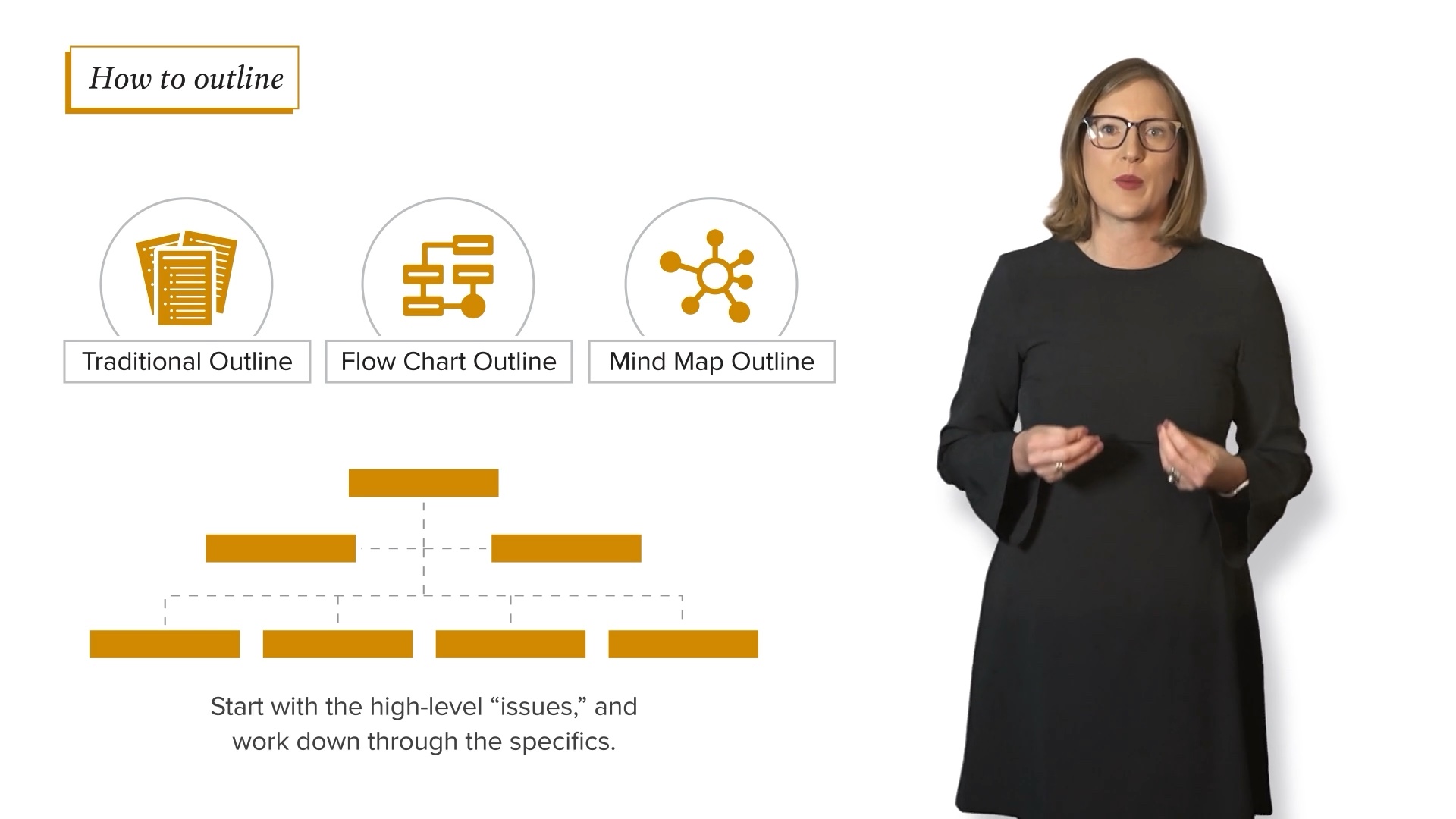
Our instructional design process
Motifmotion works through the design in stages, with named review points. You sign off on each stage before the next one starts. How long it takes depends on the course length, how interactive it is, and how many review rounds your team needs.
Have a course to design?
Tell us who it's for and what material you already have, and Motifmotion will suggest how to design and build it.
Two ways to build: Storyline and Rise, or custom HTML5
Once the design is approved, the course gets built one of two ways. The instructional design is the same for both. Motifmotion works as a full elearning design agency: design and build in one project.
Articulate Storyline or Rise
The standard authoring tools most organizations already use. You receive the project files, so your team can update the course later or hand it to anyone who works in Storyline or Rise. The right fit for large programs, frequent updates, and RFPs that require it.
Custom HTML5
For courses a template can't produce: custom interactions, animation woven through the lesson, and a look built for your brand rather than a theme.
Most eLearning projects need more than a video. We produce the video and build the interactivity around it (knowledge checks, branching scenarios, clickable walkthroughs), then package the finished module as SCORM 1.2, SCORM 2004, or xAPI so your LMS can track completion, quiz scores, and learner progress.
Everything that happens after the design is covered on Custom eLearning Development. Courses can also be adapted into other languages through eLearning Localization.
Designed with animation and video from the start
Most eLearning teams design the course first and look for visuals later. Motifmotion is an animation studio, so the video and animation are planned while the course is being designed: which ideas need to be seen in motion, which need a character, and which work better as text and a question.
The same design thinking shaped the structure, scripts and storyboards of Motifmotion's training programs, including a 32-episode series for HCSG built on one three-step service model, and the storyboards and on-screen design for more than 50 hours of AccessLex legal coursework, shaping how each idea was presented to the learner. When a course needs video, it's designed into the learning, not added on top of it.
Where AI helps instructional design, and where it doesn't
AI has changed how courses get made, but it hasn't replaced the design. On large programs Motifmotion uses AI for first drafts of scripts, storyboard options and asset preparation, and people review every piece before it moves forward.
What AI can't do is decide what your learners actually need. That's why the core of instructional design stays with people: the needs analysis, the objectives, and the judgment about what to show, what to ask and what to leave out. The result is a course that costs less to produce at scale without reading like it was generated.
Who we design courses for
Motifmotion designs training for corporate teams, healthcare organizations, higher education and nonprofits: onboarding, compliance, product and skills training, and patient and clinical education.
When video carries most of the teaching for workforce training.
Video for online courses, from university programs to course libraries.
Where healthcare teams can start: staff and clinical training.
Instructional design FAQ
An instructional design agency analyzes what your learners need, sets learning objectives, and plans the course: outline, scripts, storyboards and assessments. Motifmotion also builds the course it designs, in Storyline, Rise or custom HTML5.
Instructional design is also called learning design, curriculum design or learning experience design. The names differ in emphasis, but all describe planning how people learn something and turning that plan into training.
It depends on the course length, how interactive it is, how much video and animation it needs, and how much content your experts already have. Motifmotion quotes each course after a first conversation about those four things.
No. AI speeds up drafting, storyboard options and asset preparation, but it can't decide what your learners need or what to leave out. Motifmotion uses AI on large programs and keeps the design decisions with people.
Yes. Motifmotion builds in Storyline and Rise, and you receive the project files to update later. For courses a template can't produce, Motifmotion builds custom HTML5 courses packaged as SCORM.
Many corporate teams now use faster, iterative models such as SAM, which test a prototype early instead of finishing each phase in sequence. ADDIE is still common for compliance training, where every step needs a record.
Both, in one project. Instructional design consulting is the first phase of every Motifmotion course, and the same studio then builds what it designed. Motifmotion doesn't hand off a design document for someone else to build.
Look for a firm that shows its design process step by step, names its review points, builds in the authoring tools your team uses, and can explain how video and interaction serve each learning objective.
:quality(75))
Tell us what your people need to learn
Share the topic, the audience and any material you already have, and Motifmotion will suggest a design and a scope.
We'll work with you to understand your objectives and how we can provide assistance, and we'll outline the next steps.