
Animation Services
2D, 3D and motion graphics animation services for explainer, training, product and medical video.
Motifmotion animation reel
Trusted by leading organizations
:quality(75))
:quality(75))
:quality(75))
:quality(75))
:quality(75))
:quality(75))
:quality(75))
:quality(75))
:quality(75))
:quality(75))
:quality(75))
:quality(75))
:quality(75))
:quality(75))
Motifmotion's animation services come in three types: 2D, 3D and motion graphics. Our video animation services run from a single explainer to a fifty-episode training program, produced for organizations across healthcare, education, corporate and industrial sectors since 2015.
Each type suits a different kind of project. A character-led explainer, a physical product or medical device, and a data-driven brand piece are three different production problems, and picking the wrong technique costs money before anything reaches a storyboard. This page shows what each type is for, points you to the page that covers it in depth, and shows real client work from each.
What we make
The three types divide by what is actually on screen. Each card below opens the page for that type, with its own pricing, timelines and client work.
Flat, illustrated animation. The most versatile and budget-friendly of the three, built for explainer videos, character work, training and eLearning, and cartoon animation. It is also the easiest to update later, which matters when the content has a compliance date on it.
Depth and realism for physical products, machinery, medical devices, and anything a flat illustration cannot fully show. It costs more and takes longer, but a single model becomes a turntable, an exploded view and a hero shot from the same source file.
Type, icons, charts and data in motion rather than a built-out world. The technique behind animated infographics, kinetic typography and data-driven brand video, and the fastest of the three when the assets already exist.
Which type fits your brief
Most projects fit one type cleanly and some blend two. 2D and 3D animation often appear in the same piece, and an animation production company that only offers one technique will steer you toward it whatever the brief says. To see where your brief lands on price, try the explainer animation budget calculator. Here is how the six most common briefs map:
- Explainer, 60 to 90 seconds, for a product or service — 2D, or 3D if the product itself has to be shown. Covered on: 2D / 3D Animation Services.
- Training and eLearning, modules, compliance, onboarding — 2D, often with kinetic typography. Covered on: 2D Animation Services.
- Product visualization, a physical product, machinery or a device — 3D. Covered on: 3D Animation Services.
- Medical and scientific, mechanism of action, device or anatomy — 3D, or 2D for patient-facing content. Covered on: Medical Animation.
- Social media, short native-feed content — Motion graphics or 2D. Covered on: Motion Graphics Services.
- Corporate brand, internal comms, data and stats — Motion graphics for data, 2D for brand story. Covered on: Corporate Animated Video.
The visual approach follows the brief, not the other way round. Tell us what you are making and we will say which type it should be, and say so plainly if the answer is a technique we would not charge you the most for.
Projects that blend two types are common. A training program can open with a motion graphics title sequence, and a product explainer can drop a 3D render into an otherwise flat piece. Blending is a scoping decision made at storyboard, not an upsell. For a series example, see The Judge Group's Popular Jobs Explained series.
Other animation services on the site
Four other pages cover animation work that sits outside the three core types, including Medical Animation for device, mechanism-of-action and patient-facing work.
To see every animation style we work in, including whiteboard, kinetic typography, cut-out and isometric, see the Animation Styles and Techniques guide. For a set of short industrial stories, see the Mac Paper + Packaging case studies.
Brand films, internal comms, product demos and social clips for businesses, in 2D, 3D or motion graphics. This is where our animated video production services and commercial animation services are covered in depth, including how a brand system carries across a series.
Sixty to ninety second videos that make a product or service click, written script first and built to be understood on one viewing. Most are 2D, though the product itself sometimes calls for 3D.
Story-driven animation with a world and a cast: original shorts, pilots and episodic series, built in 2D. Different from applying a cartoon style to an explainer, because the characters have to carry a story across episodes.
Our animation process
Every project runs the same seven stages regardless of type, including custom animation services scoped from scratch, with two rounds of revision built into each phase.
What changes by type: 3D adds modeling and rigging before anything moves, and motion graphics goes from design straight to animation with no character illustration phase. The same animator who sets the style frames usually animates the final piece, which is why the look holds together from the first frame to the last.
Animation we have produced
Motifmotion's portfolio spans 114 pieces across 10 industries. Six below, one from each of six sectors and covering all three types:
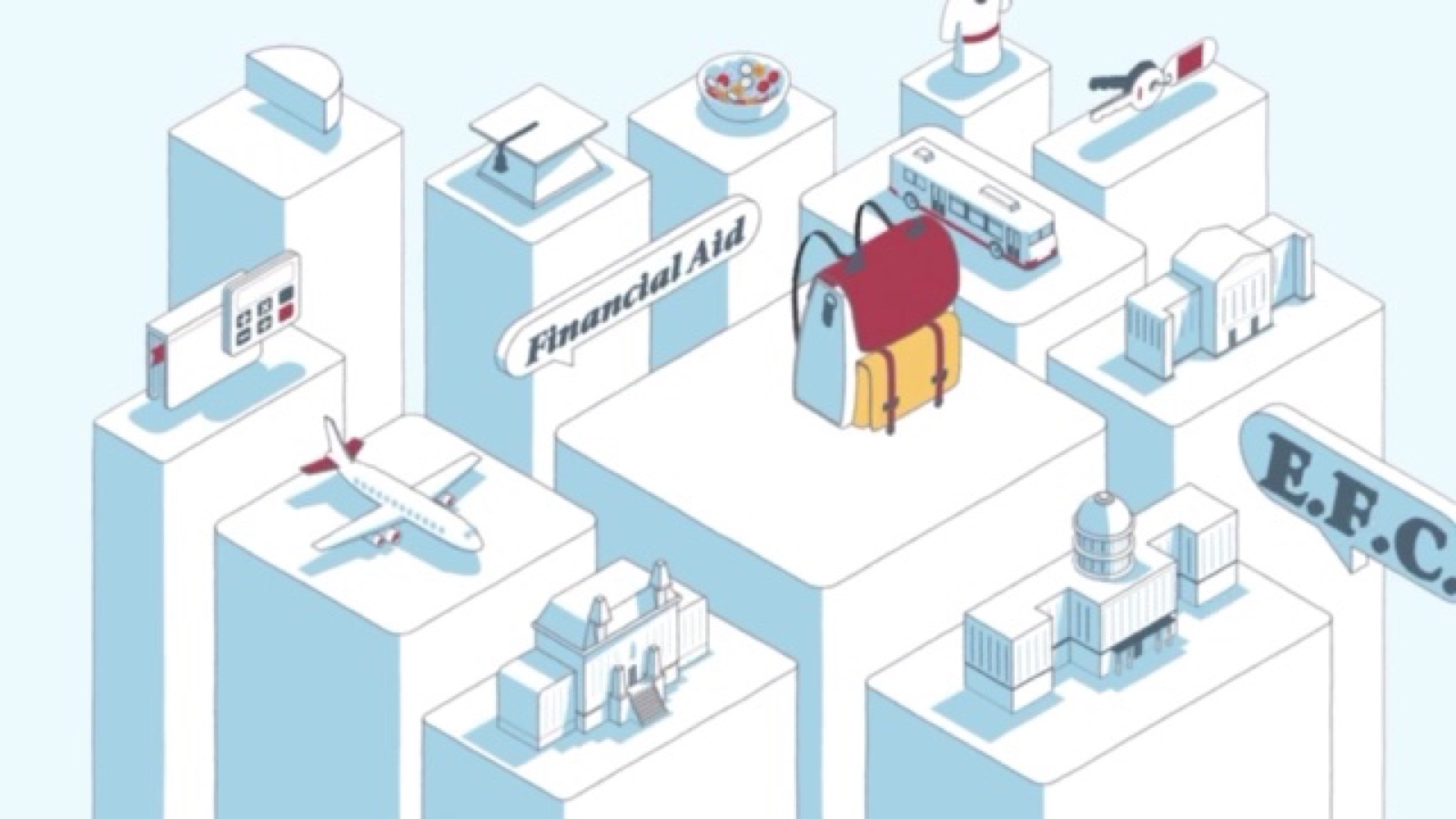
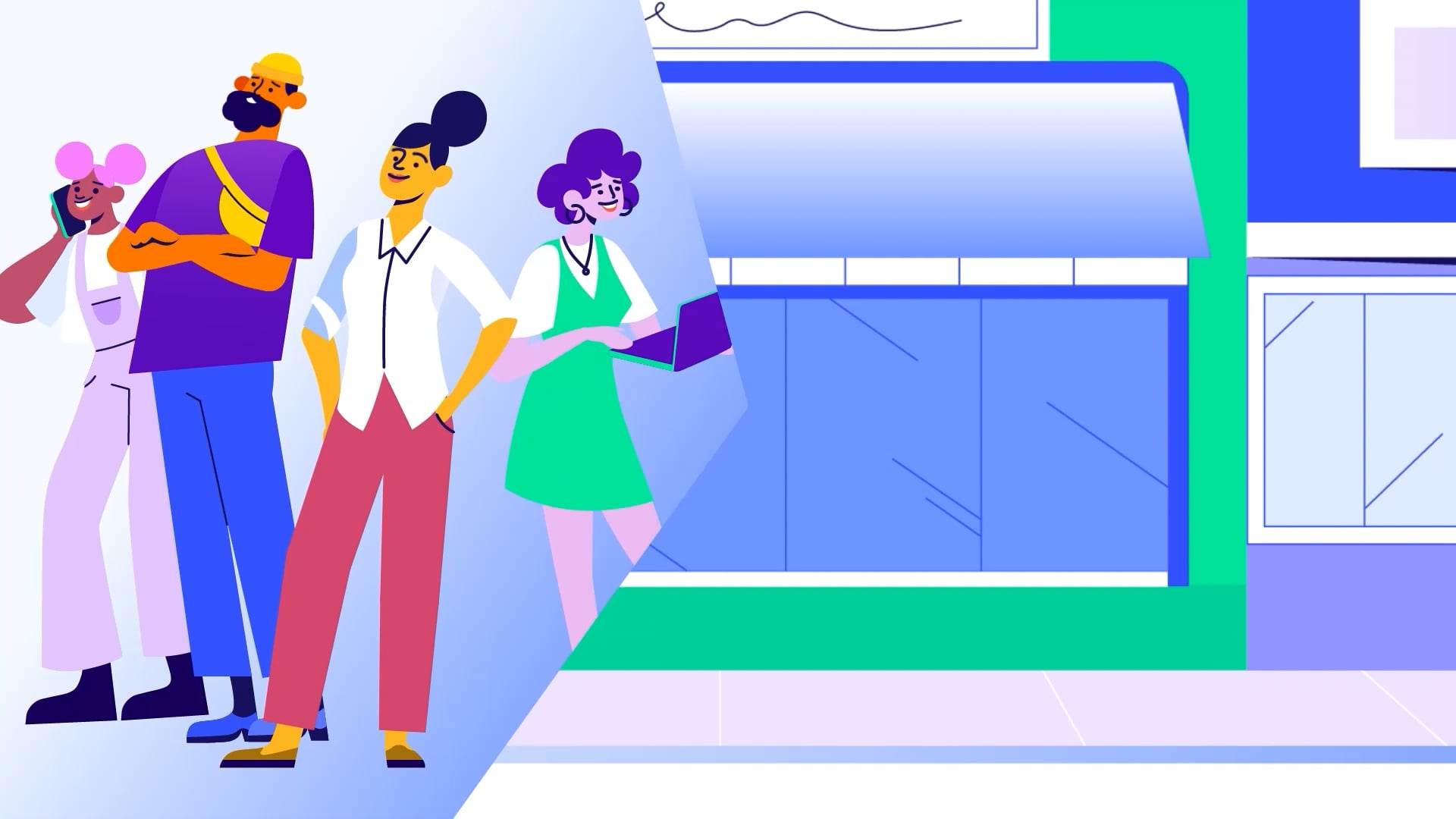
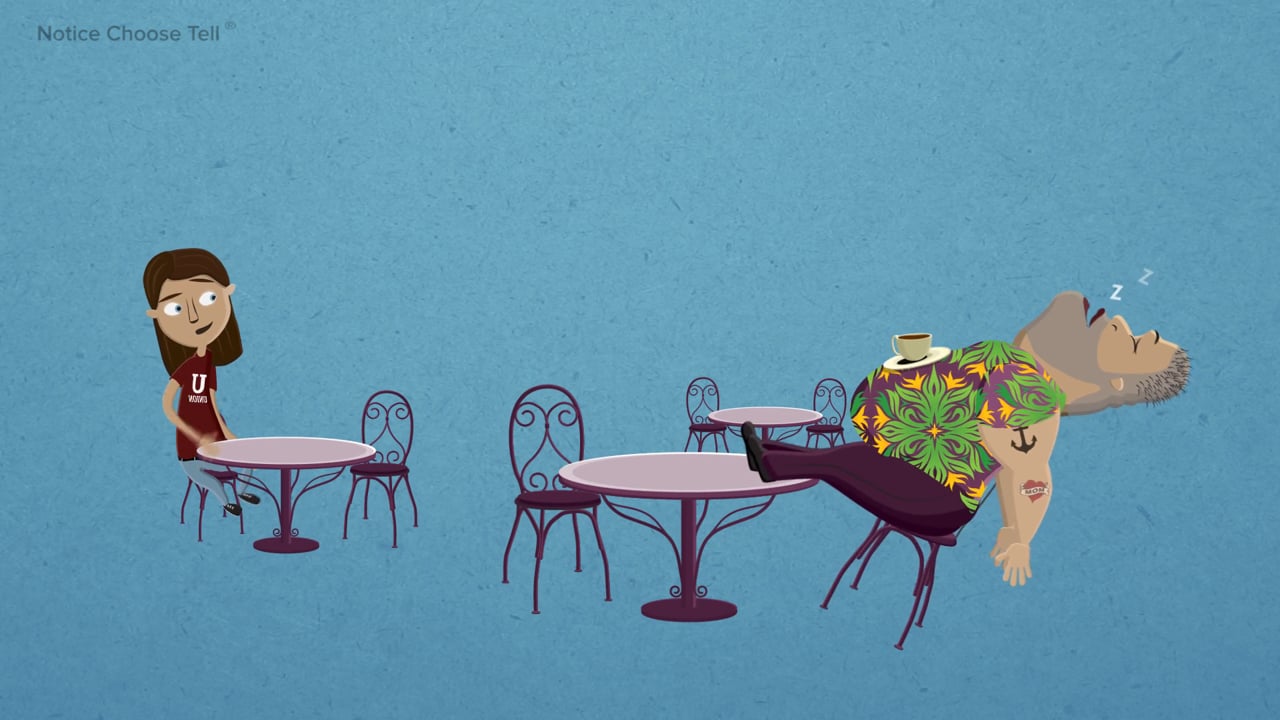
Electric Vehicle Chargers for PECO, 2D character animation for a utility. 3D Device Walkthrough for Bellerophon Therapeutics, a patient-instruction walkthrough of the INOpulse device. From 4G to 5G for Spirent, a motion graphics explainer on network architecture. Robot Assisted Surgery for Hackensack Meridian Health, part of a six-part oncology series. Gerhart’s Flagship Animation for Gerhart Process Solutions, isometric 2D for a material-handling manufacturer. And Notice Choose Tell for Union College, cut-out character animation for a course-planning tool.
Electric Vehicle Chargers
:quality(75))
3D Device Walkthrough
From 4G to 5G
:quality(75))
Robot Assisted Surgery
:quality(75))
Gerhart's Flagship Animation
Notice Choose Tell App Explainer
See more work in the full Animation Portfolio.
Animation services FAQ
Motifmotion prices animation per finished minute: $360 to $3,000 per minute for training and eLearning programs, where most run $16,000 to $180,000+ in total, and $4,500 to $15,000 per minute for standalone explainer, brand and product animation across three tiers. Length, illustration complexity, how much motion the piece carries, and whether it is a one-off or a series set where a project lands. The full breakdown is in our animation cost guide.
2D is flat, illustrated animation and the most versatile and budget-friendly of the three. 3D adds depth for physical products and devices. Motion graphics moves text, icons and data rather than building a world. Each type page carries the full comparison.
Most explainer-length projects run six to eight weeks from kickoff to delivery. eLearning programs and multi-video series take longer, scaling with module count. Script approval speed and the number of revision rounds are the two biggest variables, and both are on the client side.
It depends on the brief: 2D for explainers and training, 3D for products and devices, motion graphics for data and brand systems. See the comparison above, or tell us what you are making and we will recommend an approach before you commit to anything.
Yes. Motifmotion is Philadelphia-based and works with organizations across the country, from startups to Fortune 500s. Clients engage us the way they would any animation agency, and our animation studio services run the same wherever you are, with a single project manager as your point of contact from kickoff to delivery.
:quality(75))
Ready to get started?
If you'd like to explore animated video production with Motifmotion, you can contact us in a few different ways:
We’ll work with you to understand your objectives, how we can provide assistance and we’ll outline the next steps.