
Healthcare Video Production
Healthcare video production for hospitals, health systems, pharma and medtech — animation, live action and mixed media. Medically reviewed.
A sample from our healthcare animation work - "Kidney Cancer Diagnosis" - Hackensack Meridian Health
Trusted by leading healthcare organizations
:quality(75))
:quality(75))
:quality(75))
:quality(75))
:quality(75))
:quality(75))
:quality(75))
:quality(75))
:quality(75))
:quality(75))
Motifmotion is a healthcare video production company working with hospitals, health systems, and pharma and medtech brands across the U.S. We work alongside your clinical and scientific leads, and every piece is built to move cleanly through MLR and legal review. That includes large programs like the 32-episode staff training series we produced for Healthcare Services Group (HCSG) and its distributed workforce.
As a full-service medical video production team, we can take on the whole project, from script and storyboard through animation, live action and post-production, or step in at whichever stage you need us.
Healthcare videos we produce
Motifmotion produces five types of healthcare video, chosen by who is watching and what they need to do next. All five are custom medical videos built for one organization — not stock video content licensed from a library.
Our healthcare video production process
Scoping ends with a quote for your project. Our video production process runs seven steps, with two review gates built in.
Our production process adapts to your needs
Healthcare video production portfolio
Hackensack Meridian Health — kidney cancer patient video series. Six 2D animated videos covering a whole care pathway, from hereditary risk through surgery, the care team and advance care planning, for one of the largest healthcare providers in New Jersey.

:quality(75))
:quality(75))
Intercepting Cancer Before It Happens
How long does healthcare video production take?
Generally speaking, a new one- to two-minute animation takes about six to eight weeks from start to delivery, assuming timely turnaround on your end. It varies from there — a simple five-minute piece can land in that same range, while a more complex one can run twelve weeks or longer. Live action has the widest spread of all, five to fifteen weeks, since location access and scheduling drive it more than production does.
Shorter animations move faster
Extra languages and extra review rounds are what stretch the timeline.
More complex animation takes longer
New 3D assets and a full MLR cycle add the most time.
Live action has the widest range
Location access, patient consent and scheduling drive it more than production does.
Training series scale by module count
A single module moves fast; a full multi-episode series is quoted as a batch.
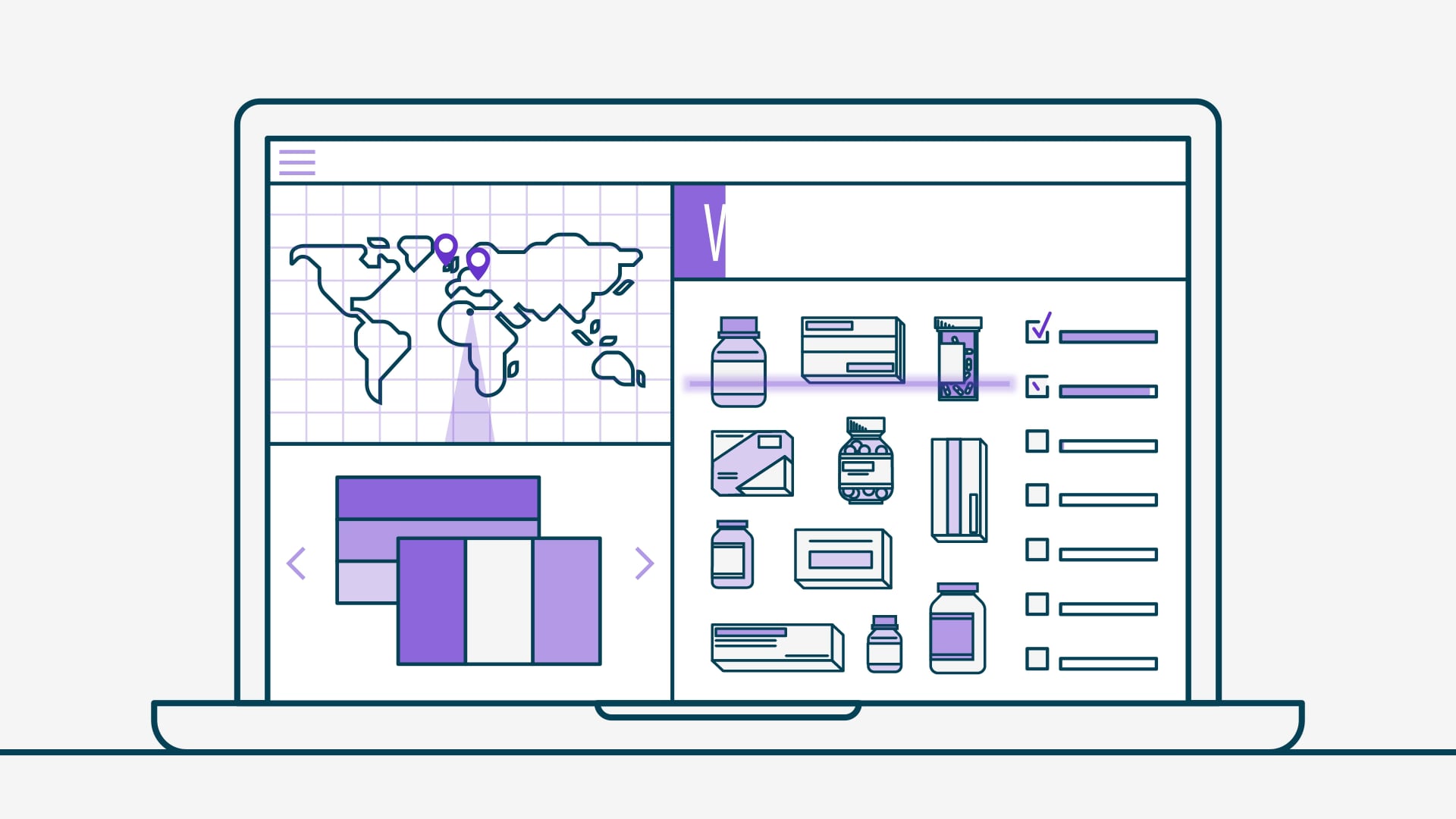
Wolters Kluwer — mechanism of action series. Nine animated episodes staging separate microbiology processes — bacteriophage replication, bacterial conjugation, antimicrobial resistance — each built to hold up under scientific review.
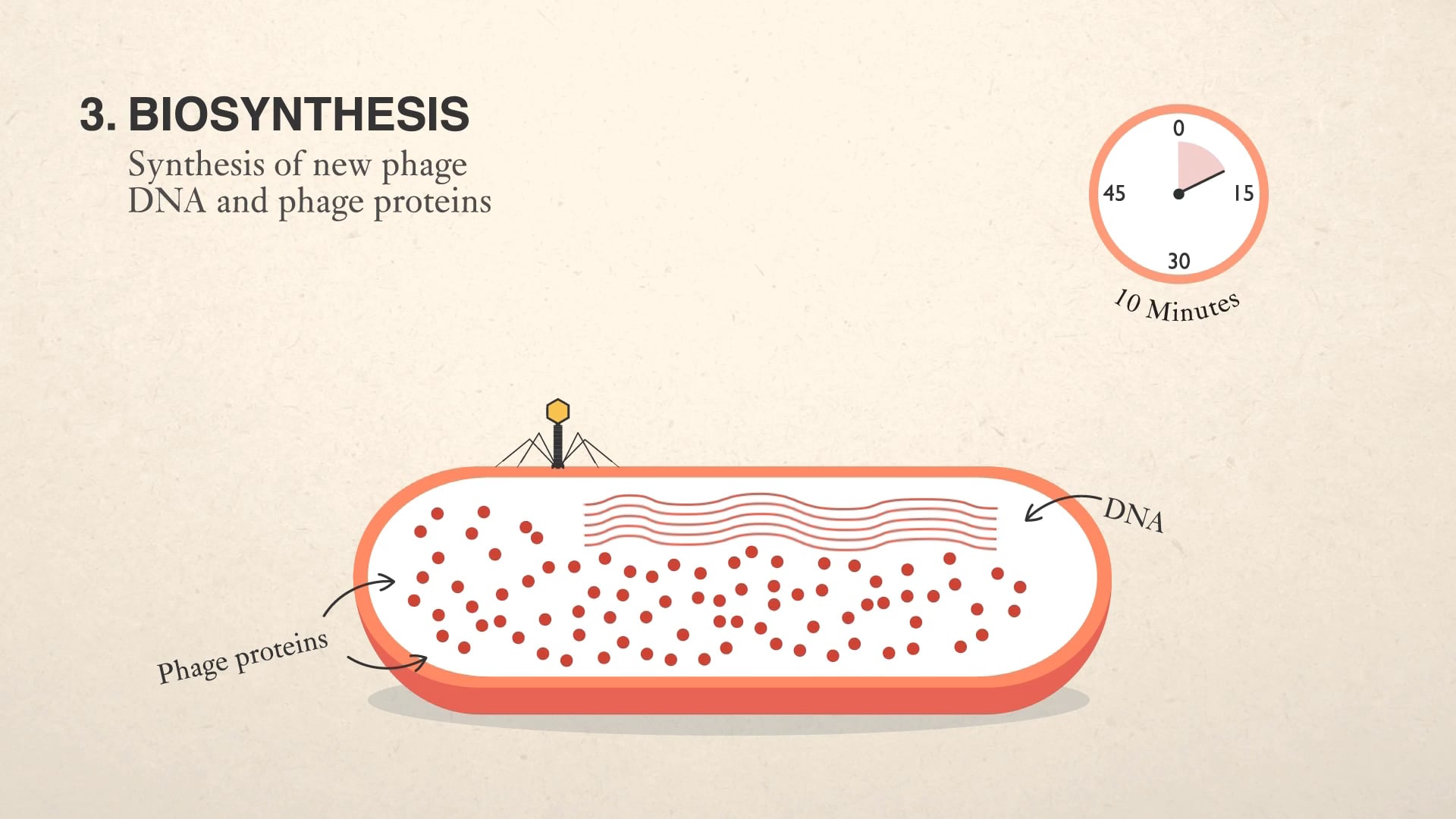
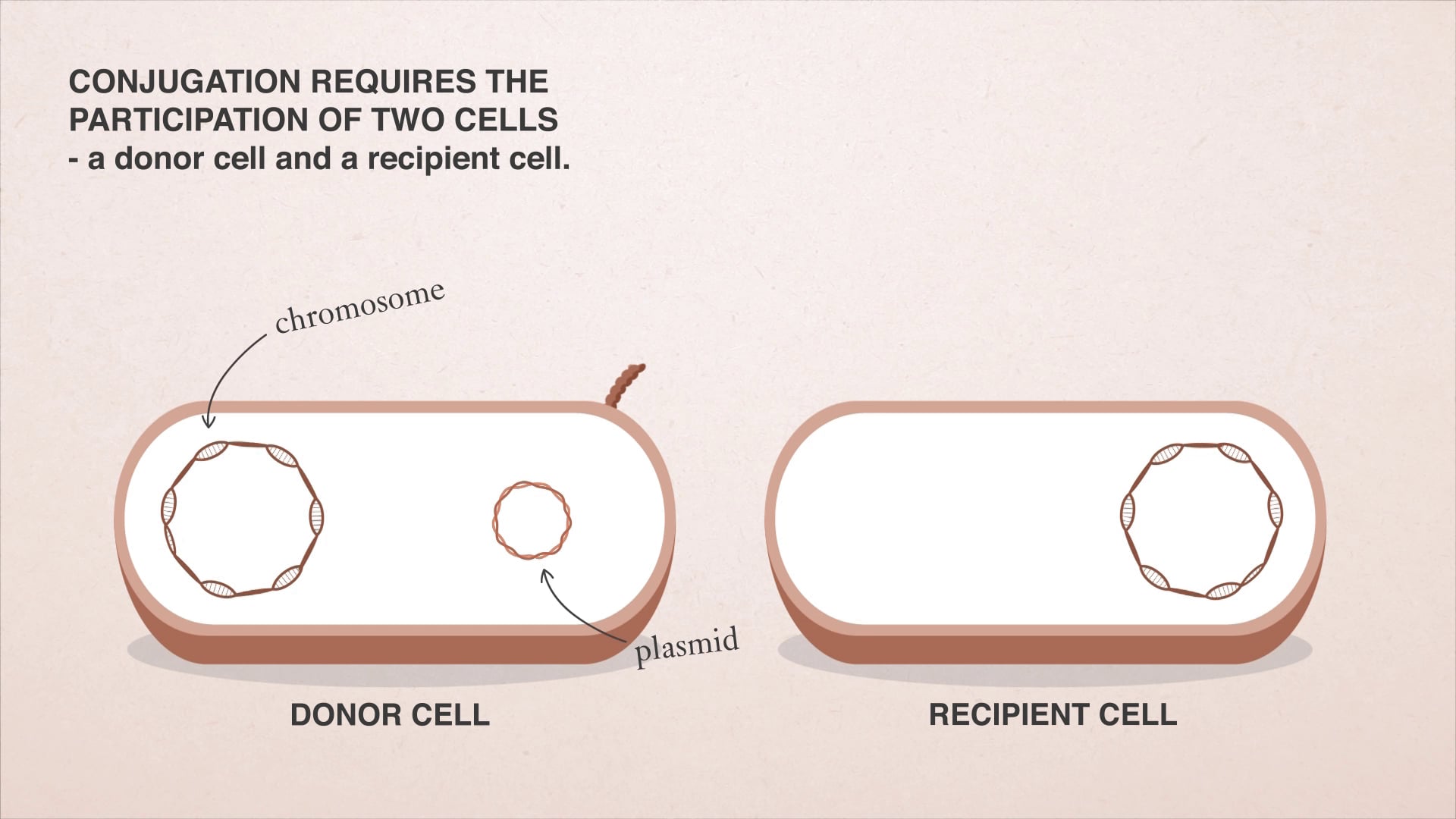
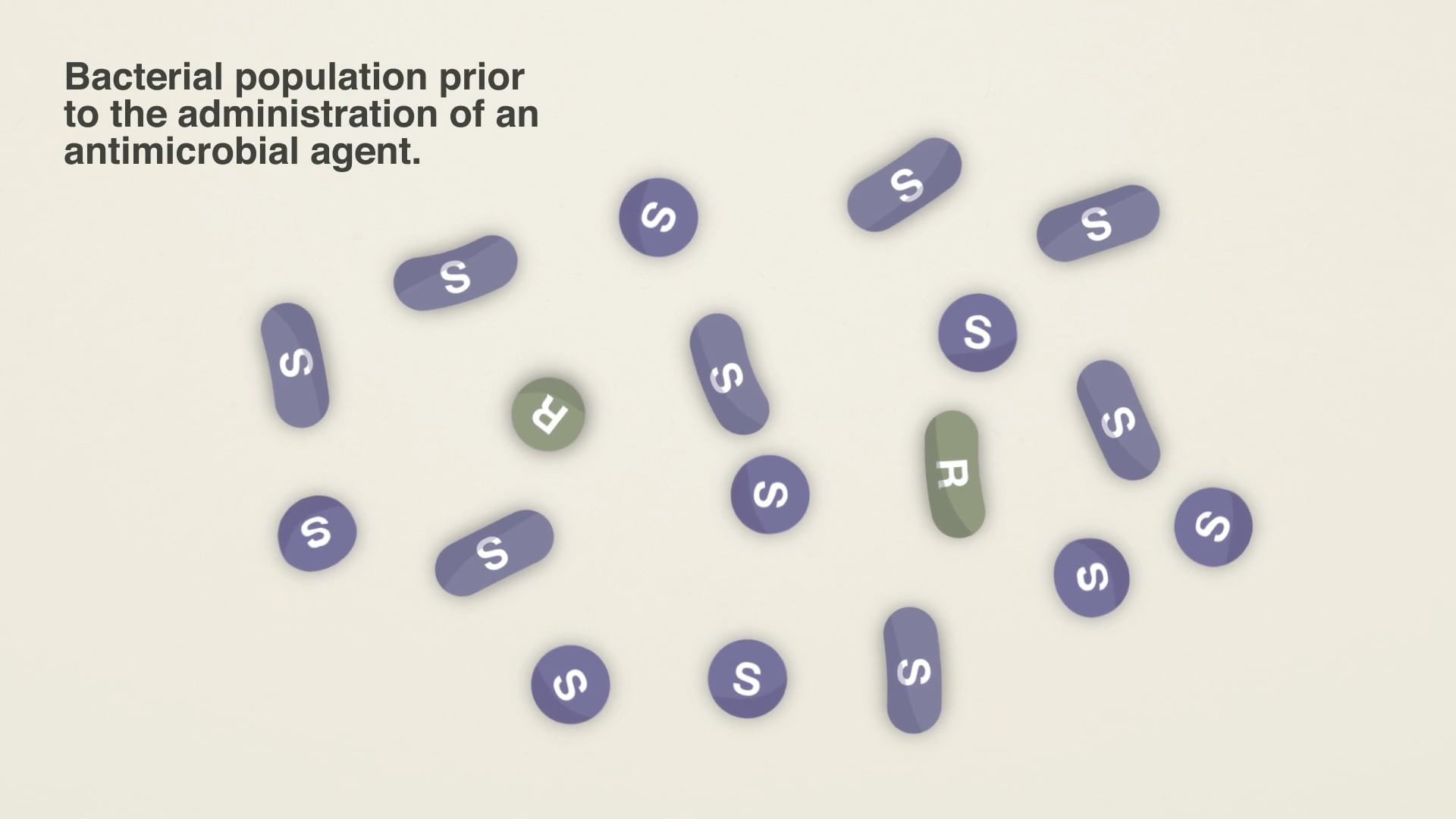
Lytic Process
Animation, live action or both?
Animation when the subject is inside the body, when patients cannot appear on camera, or when the same video needs to run in six languages — which covers most healthcare work. Live action when trust comes from a real face: a surgeon explaining recovery, a nurse on the ward. Most healthcare programs mix both, and most of our medical videos carry some live action footage even where animation does the explaining.
:quality(75))
Medically accurate and review-ready
Every Motifmotion healthcare video is checked by your clinical or scientific lead before animation or filming begins, and ships with a referenced script ready for your review process. For data-heavy or chart-led pieces, see our data and icon animation.
- The reviewer on your side signs off at the storyboard stage, before any production cost is incurred, so a correction costs an edit rather than a re-animation
- If you have an MLR or PRC team, they receive the whole package at once rather than in pieces
We work from your source material — protocols, IFUs, labeling, published literature — and from your own subject matter experts. That is how complex medical information stays accurate while the medical concepts underneath it stay understandable. Translations on request.
:quality(75))
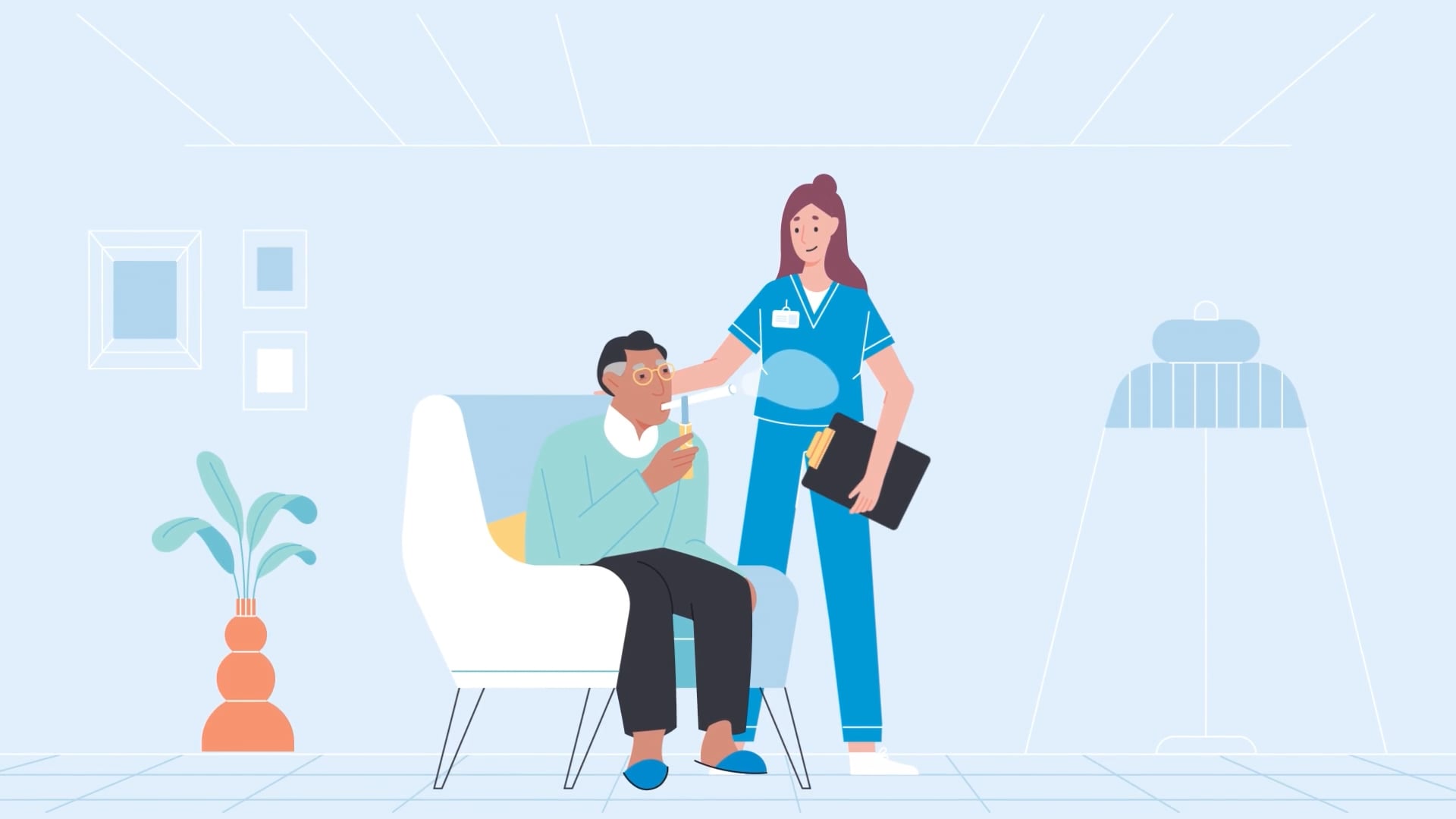
A major U.S. academic medical center and teaching hospital — allied health career series. A 16-minute animated series profiling clinical roles for prospective students, from cytotechnology to respiratory therapy.
:quality(75))
What sets the price
- Cost per minuteAnimation is priced by 2D vs. 3D; live action is driven by crew, location and scheduling.
- Consent loadAnimation needs none — no identifiable patient. Live action needs a signed HIPAA authorization for every patient on camera.
- UpdatingAnimation re-voices or re-animates one scene. Live action needs a re-shoot.
- TranslationAnimation gets a new voiceover in days. Live action needs a new shoot or subtitles.
How much does healthcare video production cost?
Healthcare video production at Motifmotion runs from about $4,500 to $15,000 per finished minute for explainer video and animation. That range covers three tiers — modest, moderate and high end — and highly complex 3D work runs above it. Every project is scoped and quoted before work begins.
Training and eLearning content is a different kind of program, priced from about $360 to $3,000 per finished minute depending on complexity, typically across 45 minutes of content or more. Non-clinical staff programs follow our corporate training video model.
Most healthcare clients come back for a series. The look, the reviewer and the reference set are already in place, so the second video costs less than the first and the production value holds across the whole set.
Modest
$4,500
– $7,000 per minute
One clear idea, cleanly drawn — patient explainers and simple diagrams with minimal scene-building.
- Flat 2D illustration and diagrams
- Referenced script and clinical sign-off
- Straightforward to caption and localize
:quality(75))
Moderate
$7,000
– $11,000 per minute
More scene-building, or a mix of live action and animation — the most common band for a real patient or staff series.
- Custom illustration or live-action footage
- Multiple scenes and characters
- Prepared for MLR or legal review where needed
:quality(75))
High end
$11,000
– $20,000 per minute
Full 3D scenes, heavy character work or complex live-action production — highly technical work can move beyond this band.
- Custom 3D modeling or full live-action production
- Heaviest simulation, lighting or crew work
- Assets reusable across a full series
Delivered in English and Spanish
ReAlta Life Sciences — a clinical-trial patient education video for parents deciding whether to enroll a newborn in a study of an investigational treatment for a birth-related brain injury. Produced as two complete videos, English and Spanish, built from the same visual system rather than one video with a subtitle pass.
You can read more about how we handle accessibility and multilingual delivery on our Patient Education page.
:quality(75))
ReAlta Life Sciences
:quality(75))
ReAlta Life Sciences — Spanish
Can you film inside a hospital?
Yes, with written HIPAA authorization from every identifiable patient and the hospital's own media approval — which is why most healthcare organizations build the video around a mix instead:
- Animation and motion graphics carry the explanation
- Approved hospital b-roll establishes the setting
- Stock footage covers what neither needs to be original
Animation removes the question entirely. No patient, no ward, no PHI on camera — the same medical information delivered without booking a single hour of clinical time.
:quality(75))
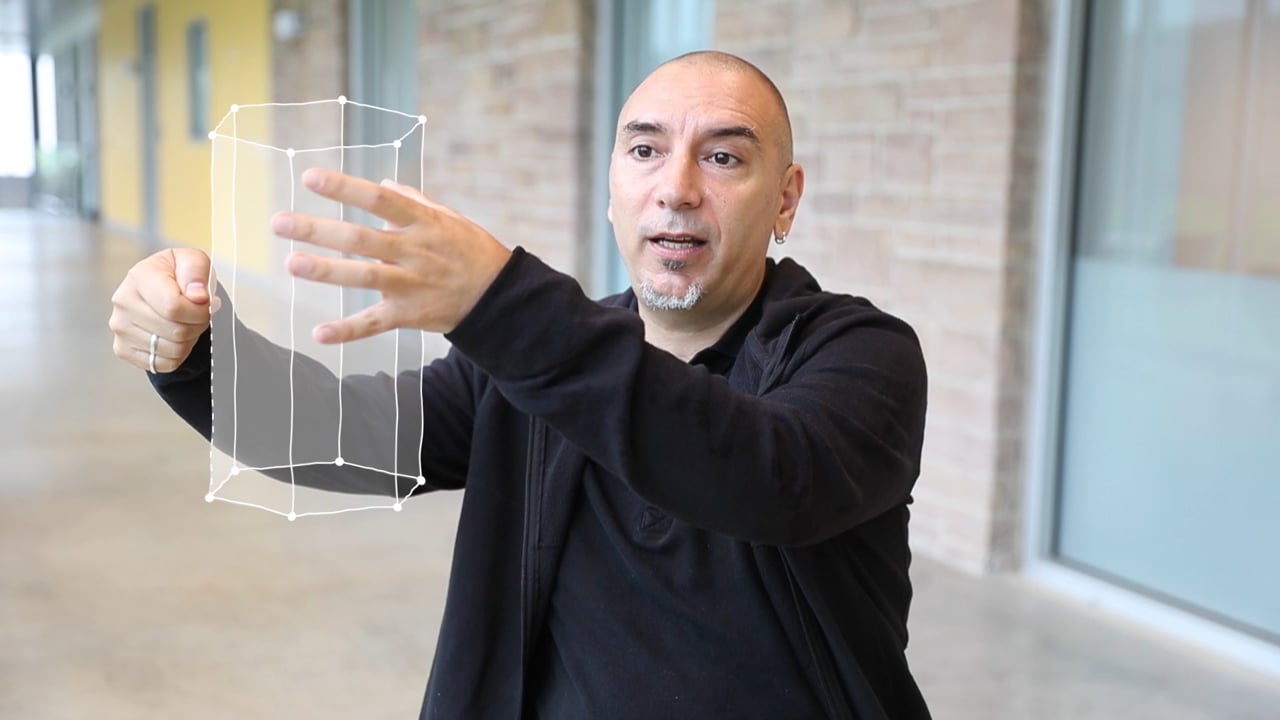
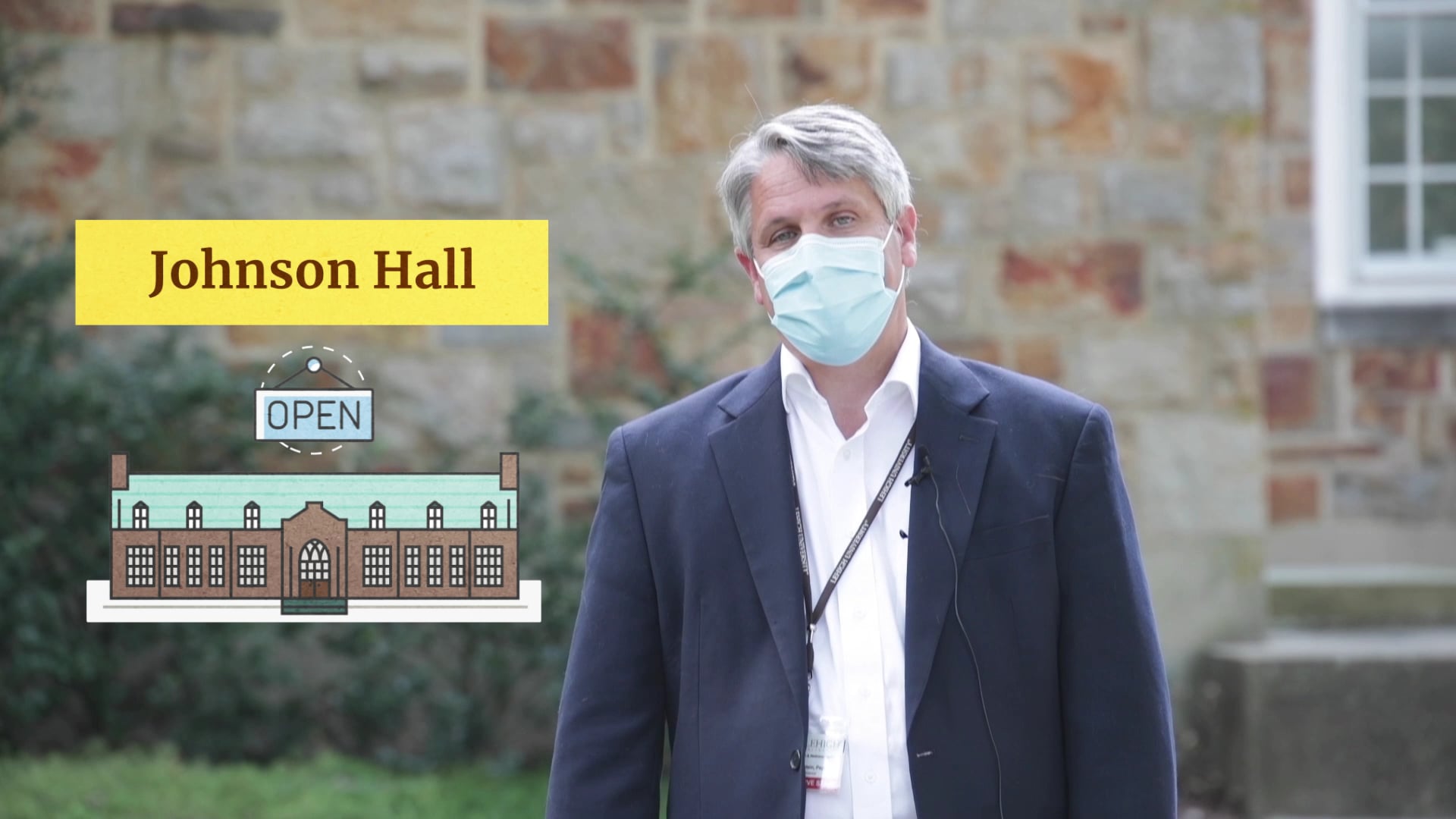
From patient education to pharma mechanism-of-action, staff training to public-health campaigns — our healthcare work spans the full range of what video does in this field.
:quality(75))



:quality(75))

What our clients say
Frequently asked questions
From about $4,500 to $15,000 per finished minute for explainer video and animation — modest through high end — with complex 3D up to $20,000. Training and eLearning is a separate program, priced from about $360 to $3,000 per finished minute depending on complexity. Scoped and quoted before work begins. Our animation pricing guide has the full breakdown.
Generally speaking, a new one- to two-minute animation takes about six to eight weeks from start to delivery, assuming timely turnaround on your end. A simple five-minute piece can land in that same range, while a more complex one can run twelve weeks or longer. Live action has the widest spread of all, five to fifteen weeks, since location access and scheduling drive it more than production does.
Yes, with written HIPAA authorization from every identifiable patient before filming, privacy safeguards on records, and the hospital's media approval. Blurring afterwards does not replace authorization. Most projects sidestep it with animation, approved b-roll and stock footage instead.
Your clinical or scientific lead reviews the referenced script and signs off before production begins. If you have MLR or PRC teams, they receive the whole submission package together.
Built in. We package the referenced text and visuals for submission, schedule the review gate before animation starts, and handle comments in numbered rounds so nothing is animated twice.
Mayo Clinic College of Medicine & Science, Johnson & Johnson, Merck, Wolters Kluwer, Hackensack Meridian Health, INOVIO, Bellerophon Therapeutics, Nobelpharma, Temple University and Healthcare Services Group — medical organizations across the healthcare industry, from patient videos to clinical training, marketing and animation.
:quality(75))
Ready to get started?
Healthcare video has to be clinically accurate without losing the human side. Motifmotion can help. Contact us in a few different ways:
We’ll work with you to understand your objectives, how we can provide assistance and we’ll outline the next steps.