
eLearning Video Production Case Study
Motifmotion partnered with AccessLex to scale eLearning video production across 50+ hours of bar-prep coursework — blending live actors with 2D animation to keep law students engaged through dense legal material.
AccessLex needed to deliver a large volume of educational content to law students preparing for demanding, high-stakes exams. The material covered complex legal concepts that required precision, clarity, and consistency—while still remaining engaging across dozens of hours of instruction.
A traditional lecture-only format risked fatigue and reduced retention. At the same time, overly stylized animation alone would not have supported the academic credibility required for legal education.
:quality(75))
Trusted by leading organizations
:quality(75))
:quality(75))
:quality(75))
:quality(75))
:quality(75))
:quality(75))
:quality(75))
:quality(75))
:quality(75))
:quality(75))
AccessLex – Higher education exam prep
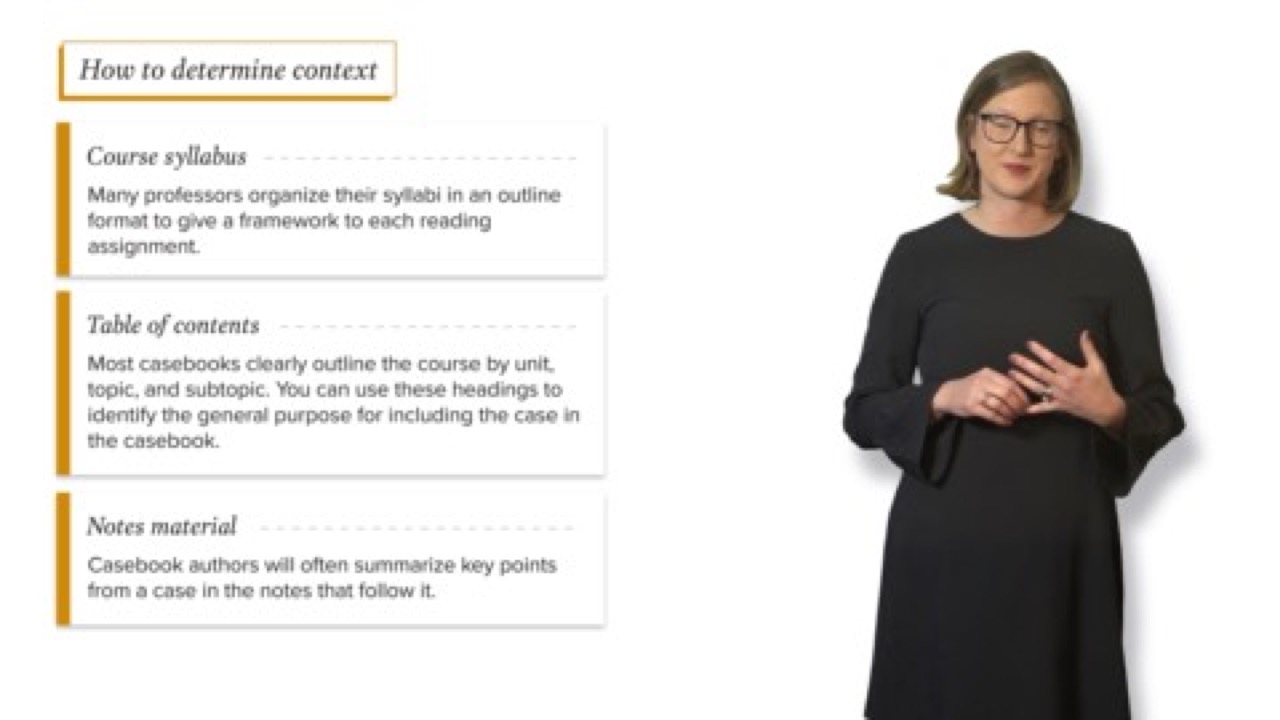
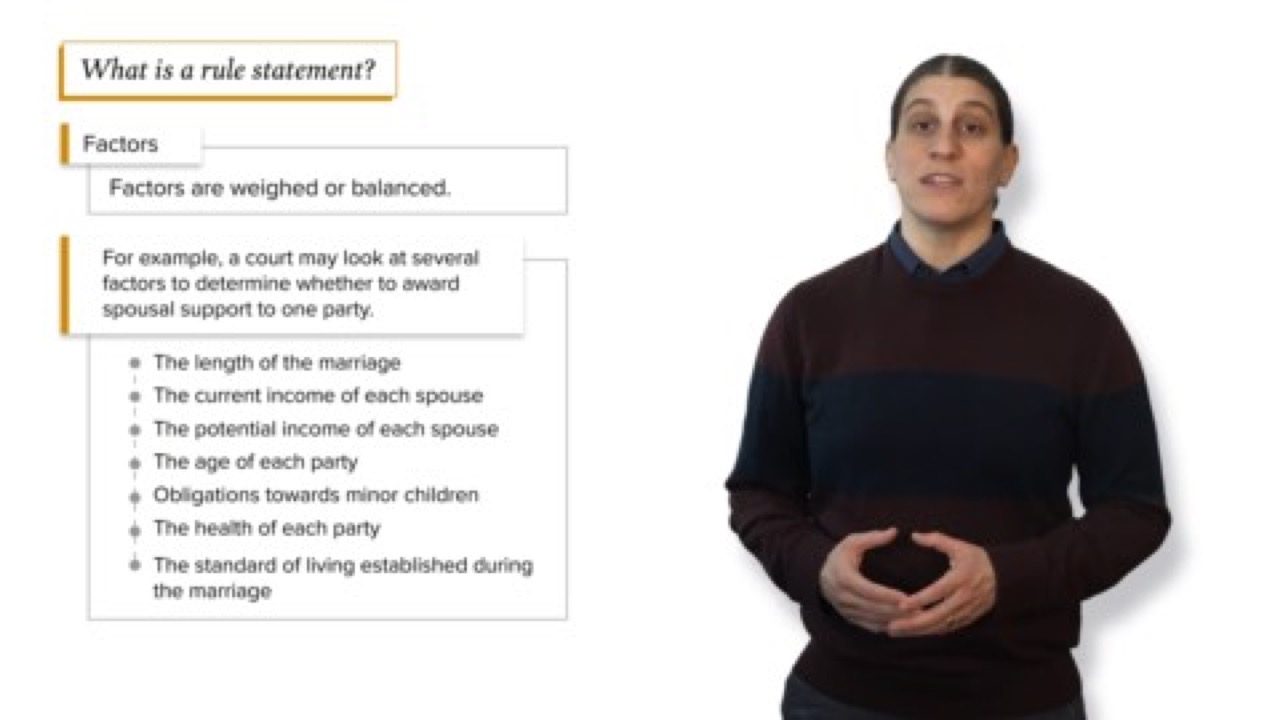
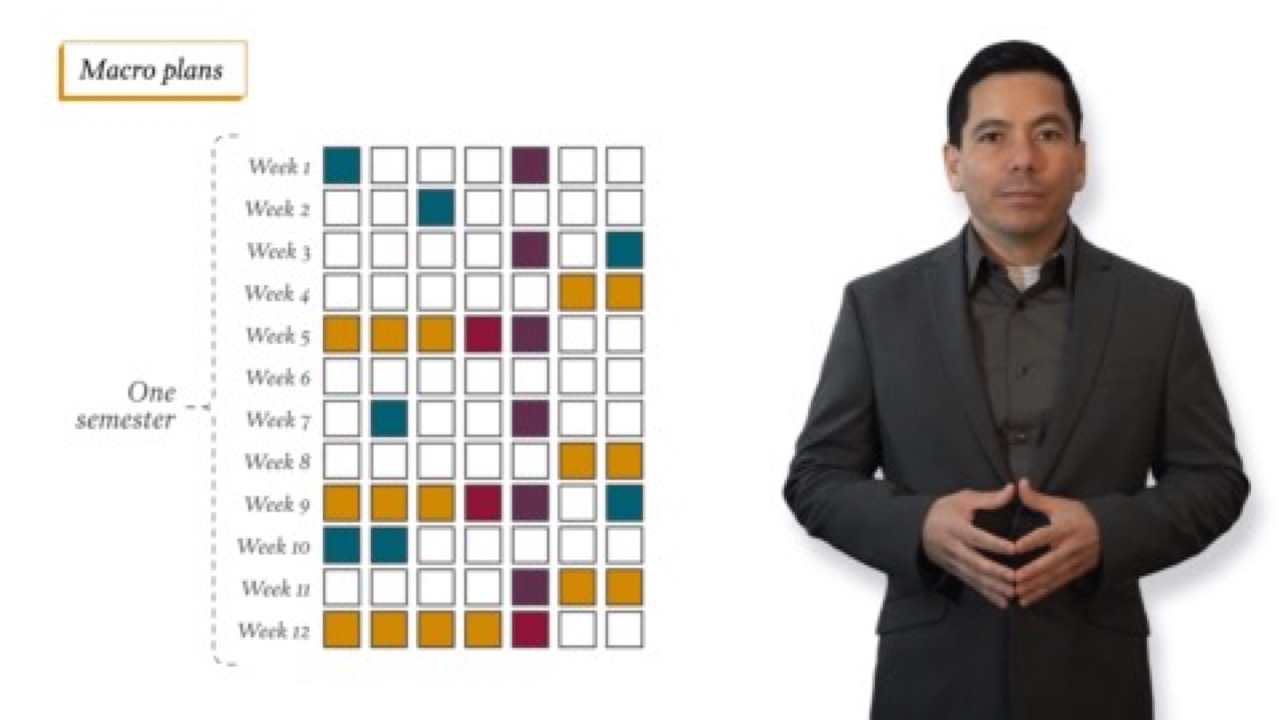
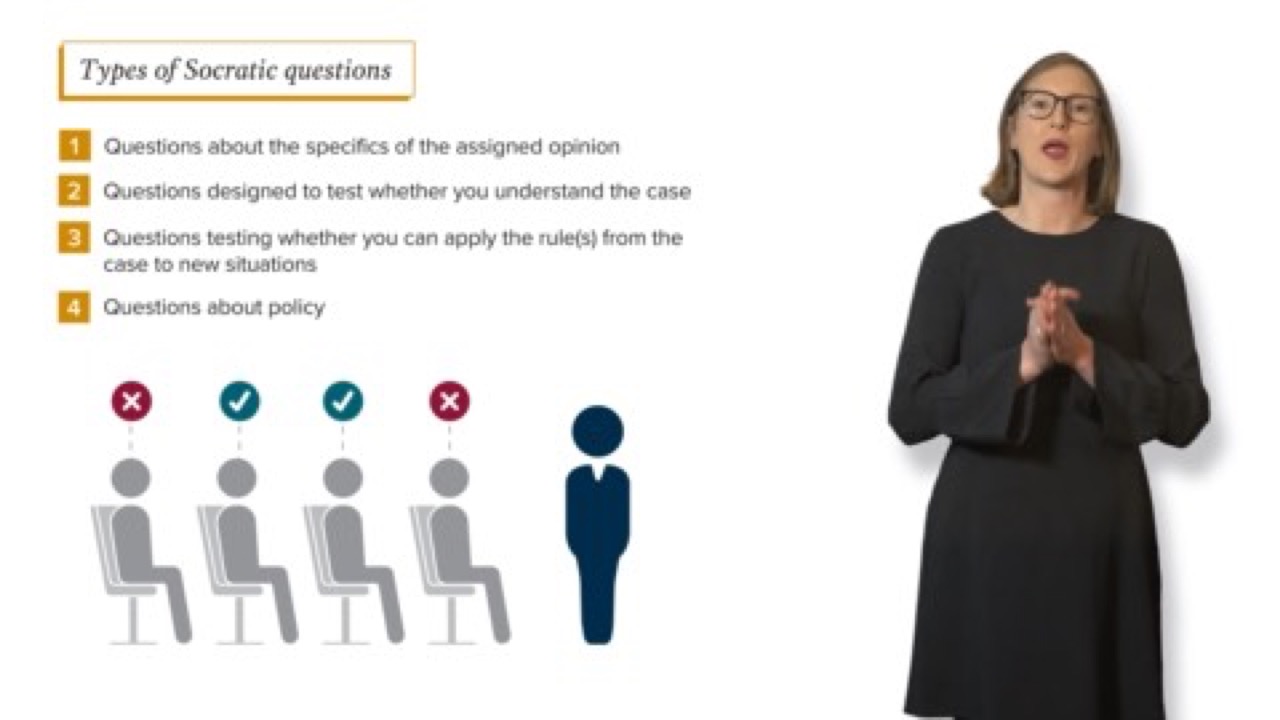
Motifmotion worked with AccessLex to deliver over 50 hours of eLearning video production combining live actors and 2D animation. As part of a broader e-learning video production strategy, we collaborated with instructional designers to align video structure with learning objectives, clarity, and retention. The result was a scalable training series that boosted learner engagement and strengthened exam preparation outcomes.

Five Tips
Shaping the learning experience
The content was designed as a cohesive learning system rather than a set of standalone videos. Clear learning objectives guided each module, with an emphasis on long-term retention and exam readiness.
- Using live-action instructors to establish authority and trust
- Applying 2D animation selectively to clarify frameworks and abstract relationships
- Structuring lessons into modular segments for flexible viewing
- Using pacing and repetition to reinforce understanding
:quality(75))
How the content came together
Motifmotion collaborated closely with AccessLex's instructional design team throughout production. The approach was adapted to each topic while maintaining a consistent visual and structural system. This process enabled efficiency without sacrificing quality.
- Collaborative scripting with subject-matter experts
- Early visual tests to establish tone and clarity
- Iterative feedback to refine pacing and comprehension
- A repeatable system to support high-volume delivery
:quality(75))
Have a course to bring to life?
Multi-module courses, lesson explainers, interactive learning — tell us what you're trying to teach and we'll come back with ideas.
Planning for scale and flexibility
From the outset, the series was designed to scale. The system supports multiple instructors, future content additions, and updates to legal frameworks without requiring rework of existing material. This allowed AccessLex to invest in a flexible, long-term educational asset rather than a static content set.
:quality(75))
Results and takeaways
The completed series provided AccessLex with a scalable eLearning foundation supporting learners across multiple stages of their education.
- Improve comprehension of complex concepts
- Maintain consistency across topics and instructors
- Support effective exam preparation
The project highlights how thoughtful eLearning design can elevate instructional content.
:quality(75))
Where this approach works best
This model works well for organizations delivering complex educational or training content at scale, particularly where clarity, accuracy, and long-term usability are critical. It is especially well suited for higher education, organizational and corporate training videos, and other learning environments that require consistency across large content libraries. It is the same discipline behind our work as a training video production company.
:quality(75))
Related case studies
:quality(75)) Training / Compliance
Training / ComplianceA large-scale compliance training series built for consistent rollout across a distributed organization. Full animation was used to simplify complex policies, standardize messaging, and keep the experience consistent across modules.
 Educational
PBS-WHYY: Educational series
PBS/WHYYA mixed-media series that blends animation, visuals, and structured explanations. This format works well for longer-form episodes where the content needs both storytelling and clear instructional structure.
:quality(75)) Finance / Fintech
Finance / FintechExamples of video production used to explain financial products, systems, and services. Explore projects designed to improve understanding, support client onboarding, and communicate complex financial information clearly.
:quality(75))
Ready to get started?
Good eLearning sticks because the design respects how people actually learn. Motifmotion can help. Contact us in a few different ways:
We'll work with you to understand your objectives, how we can provide assistance and we'll outline the next steps.