
Medical Animation
2D and 3D medical animation for medtech, pharma, biotech and health systems. Everything from mechanism of action to device and product animation. Medically reviewed and MLR-ready.
Bellerophon Therapeutics: INOpulse 3D device walkthrough
Trusted by
Medical animation produced for device makers, pharmaceutical and biotech companies, medical publishers and health systems.
:quality(75))
:quality(75))
:quality(75))
:quality(75))
:quality(75))
:quality(75))
Motifmotion is a medical animation studio in Philadelphia that produces 3D and 2D medical animation for medtech, pharma, biotech and health systems. We make mechanism-of-action, medical device, product and patient-facing healthcare animation. We handle every stage, from script and storyboard through 3D modeling, biomedical animation and finishing, so complex science comes across clearly. Our medical animators have built this work for Bellerophon Therapeutics, Wolters Kluwer, Merck, INOVIO and Johnson & Johnson. Medical animation is a core part of our animation services.
What types of medical animation do you produce?
Motifmotion produces six types of medical animation services, chosen by what the audience needs to see.
Anatomy, medical procedures and mechanisms a camera cannot reach, like the inside of a vessel, a joint or a device. 3D scientific visualization built from your own references.
How a device works inside the body, for sales, HCP training and regulatory submissions.
How a drug produces its effect and how disease pathways develop. MoA videos built for healthcare professionals, MSLs, investors and MLR review.
Launch films, demo reels and booth loops for medtech and health brands.
Procedure prep, condition explainers, disease awareness and clinical training.
Medical illustration set in motion. Clear and fast, for when 3D is more than the job needs.
3D medical animation, and when 2D is enough
3D medical animation shows what no camera can: the inside of a vessel, a joint, a device or a cell. Its depth and lighting make a mechanism readable in seconds. It involves custom modeling and simulation, so it sits at the higher end of the pricing scale. It's usually scoped separately, but it often falls within Motifmotion's premium per-minute rate. 2D medical animation delivers the same explanation faster and for less when the subject is a process or pathway rather than a structure, such as a treatment journey, a care protocol or a discharge explainer. It's also simpler to caption and localize.
Medical device animation
Medical device animation shows a device doing its job inside the body (placement, mechanism and what the clinician sees), so a sales team, an HCP audience or a regulatory reviewer understands it in under two minutes, without a cadaver lab or a procedure room.
The device animations that hold an audience follow the same five beats:
- What the device is
- Who it is for
- The one specification that actually matters
- The clinical benefit
- A proof number
Device animations also support sales and congress reels, HCP training, investor relations and FDA-submission packages. Passing MLR or FDA review always depends on the underlying science, not on the animation.
:quality(75))
Medical device animation case study
For Bellerophon Therapeutics, a 3D device-and-mechanism walkthrough of the INOpulse drug-delivery device, produced for participants in the Rebuild Study. The device is modeled and lit from nothing, then taken through the full workflow: loading the drug cartridge, the cannula in place, and every indicator on the control panel (battery level, medication level, therapy and breath), each labeled on screen as it is explained.
:quality(75))
3D Device Walkthrough
Medical product animation demonstrates a launch, a demo loop or a booth display for medtech and health brands. It has the same clarity as a device animation, aimed at a buyer or a trade-show floor rather than a clinical audience. Animation for medical products carries the detail a photograph cannot, and the same 3D assets drive the launch film, the booth screen and the sales deck. Explainer videos outside healthcare are covered on Explainer Video Production.
How we make a medical animation
The medical reviewer gate sits before animation begins rather than after it, so the science is settled before anything expensive is built.
Mechanism of action animation
For Wolters Kluwer, a nine-episode microbiology series mapping bacterial replication, gene transfer, immune defense and antimicrobial resistance, stage by stage. The lytic process episode runs attachment, penetration, biosynthesis, assembly and release against an elapsed-time clock, with every structure labeled as it appears. It is the case where 2D is the right call: the subject is a pathway rather than a physical object, so illustration explains it faster than a render would.
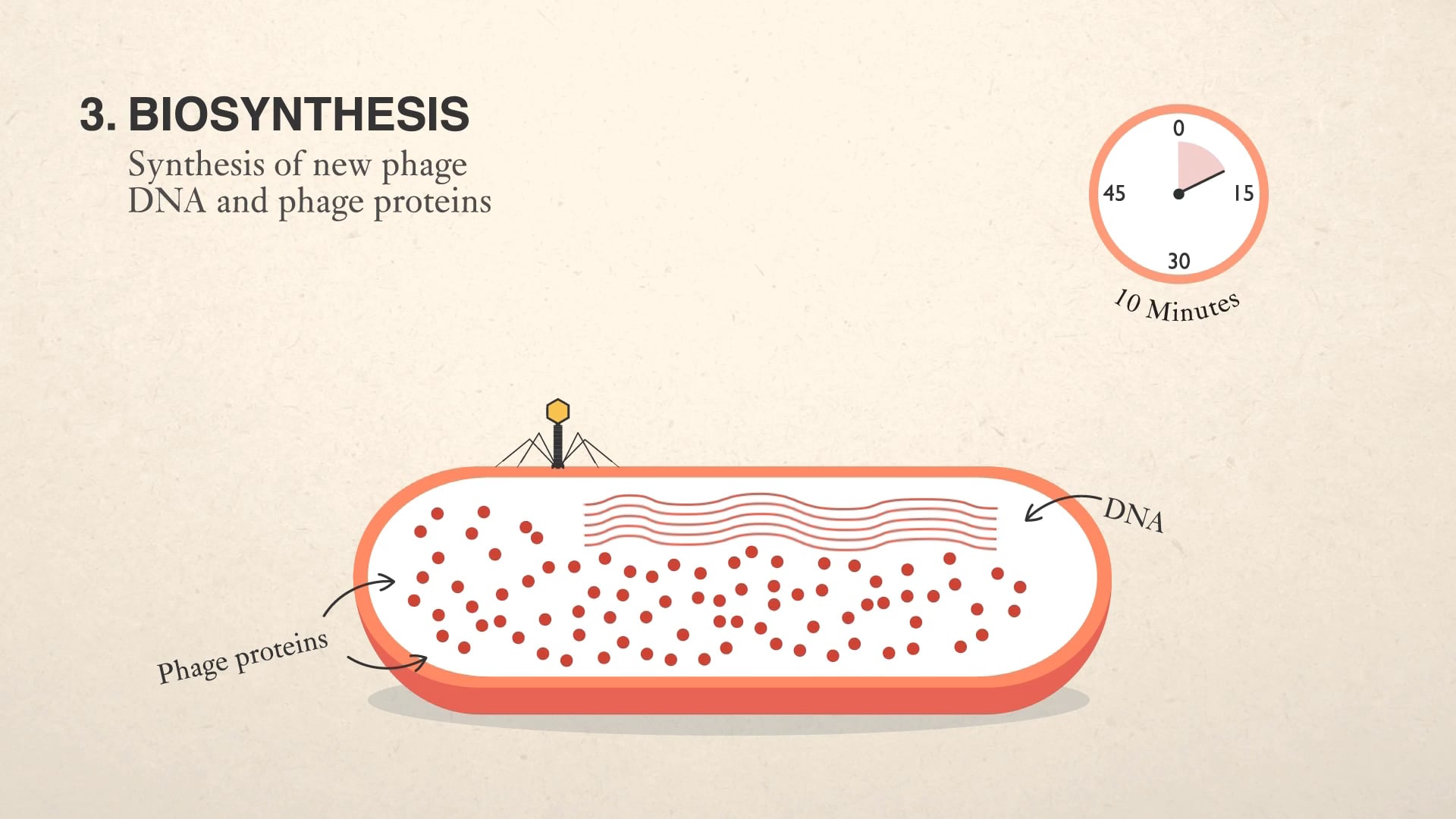
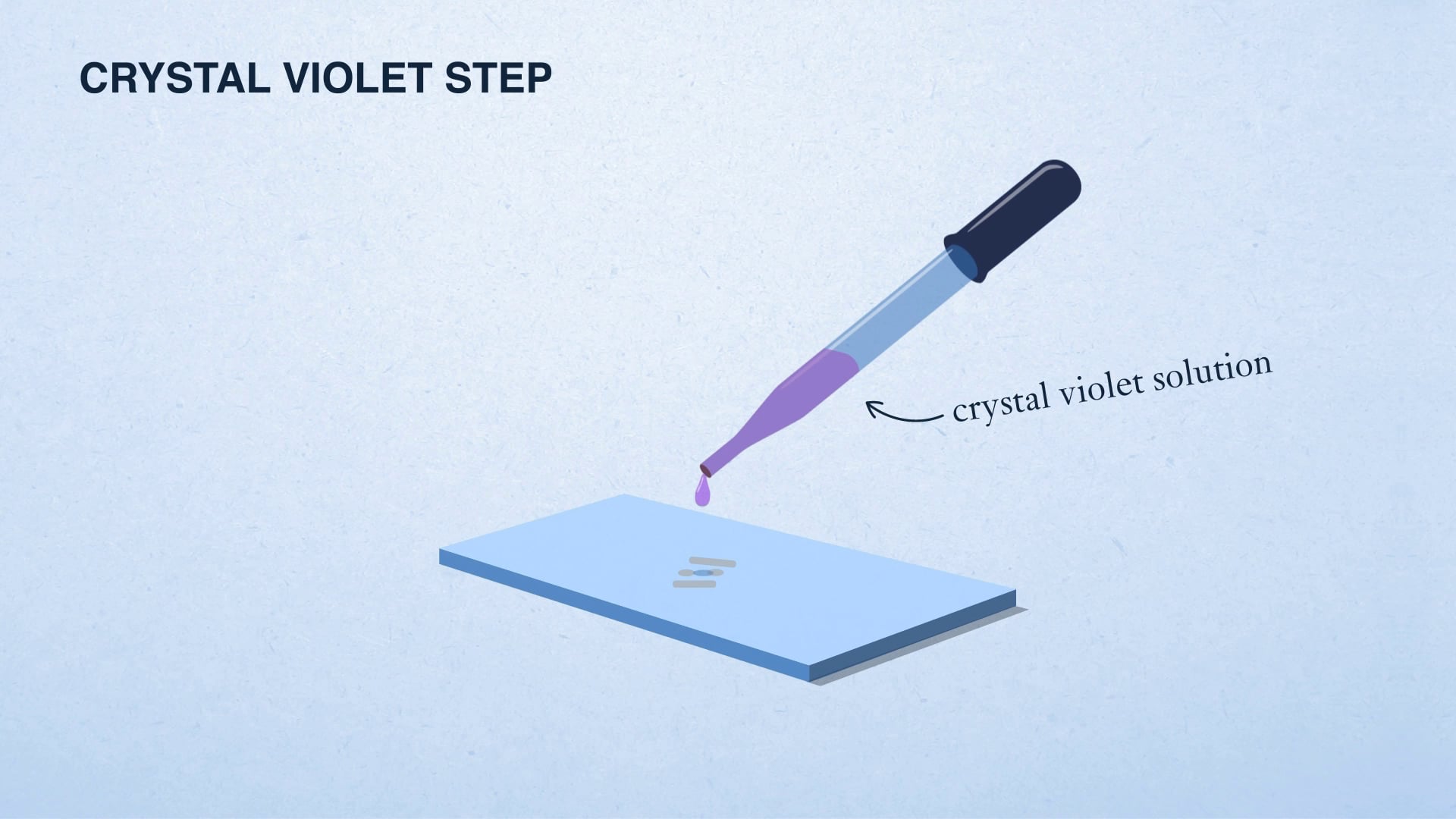
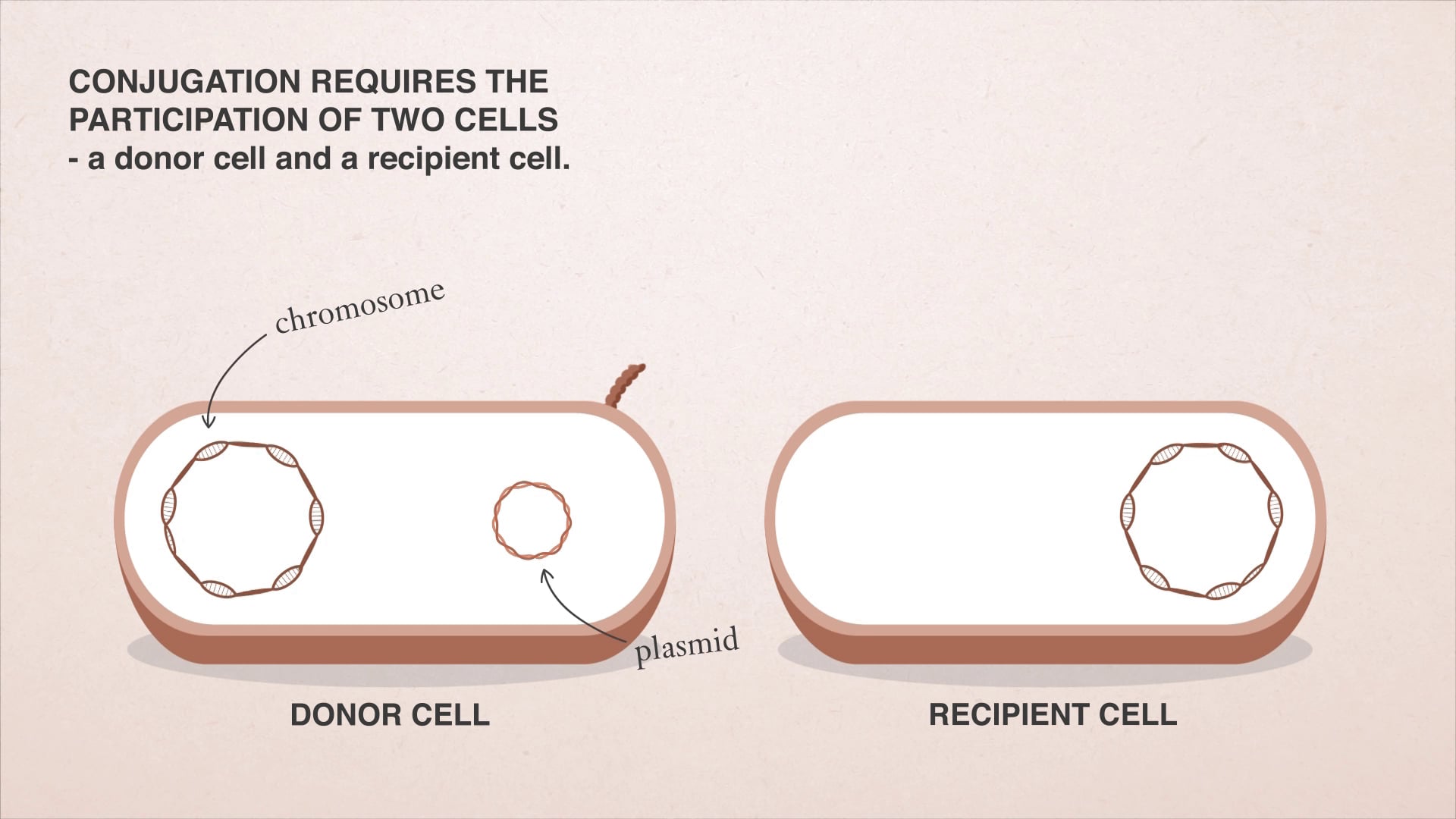
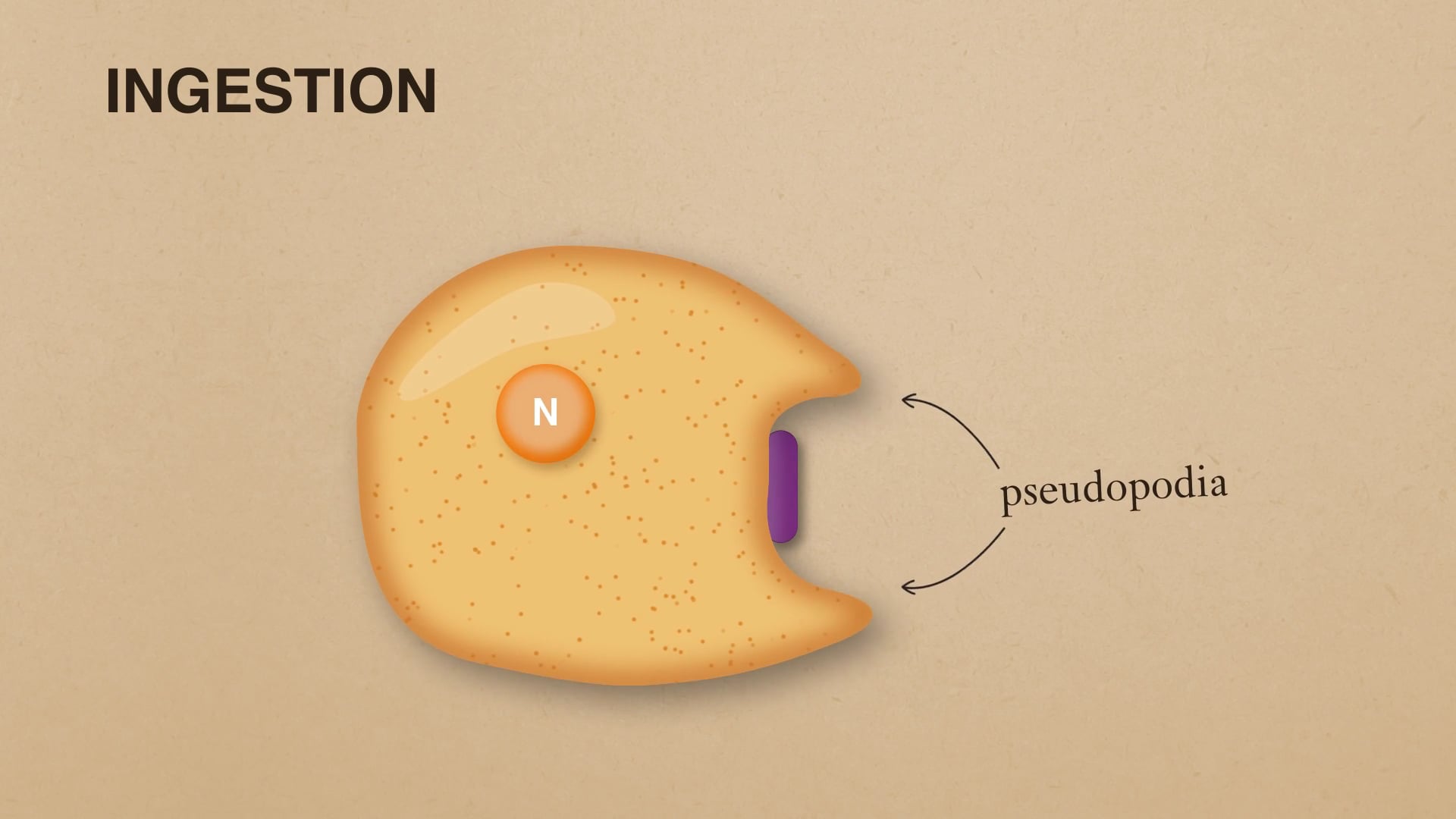
Lytic Process
Medical accuracy and what we need from you
A medical animation is only useful if the science is right, so we work closely with your team on the script and the storyboard before any animation is built.
Scientific accuracy is not a finishing step, it is the brief. We build from your source documents and references, and materials can be prepared for MLR or PRC review where your team needs them. What we need from you:
- The mechanism or device description
- Key references, IFU or labeling
- Your brand guide
- Who signs off: medical, legal, regulatory
- Where it will play
A medical animation has to be scientifically accurate before it is anything else, which is why the science is agreed and the storyboard signed off before the animation team starts building. Motifmotion works as a full-service studio on a single project or as an ongoing partner, so teams that outsource medical animation services keep the same look across a program.
:quality(75))
How long does a medical animation take?
It depends on the piece. Some projects run six to eight weeks. Others take twelve to sixteen weeks or more, particularly when they carry a full MLR cycle. As a rough guide:
- About a week for the referenced script and source gathering
- One to two weeks for storyboard and look development
- Three to five weeks for modeling and animation
- Review rounds, scheduled in and sized to how many are needed
- A series of three or more: slower for the first, faster after, because the look is already set
Each additional medical or MLR review round extends the schedule, which is why the reviewer gate sits before animation begins rather than after it.
:quality(75))
How much does medical animation cost?
Medical animation at Motifmotion runs from about $4,500 to $15,000 per finished minute, quoted as a fixed project price once the piece is scoped. This is an average. What moves a project within it is visual complexity rather than subject, and highly technical or full 3D work can move beyond it.
:quality(75))
Modest
$4,500
– $7,000 per minute
One clear idea, cleanly drawn. Flat illustration and simple diagrams with minimal scene-building.
- Referenced script and clinical sign-off
- Flat 2D illustration and diagrams
- Straightforward to caption and localize
:quality(75))
Moderate
$7,000
– $11,000 per minute
Layered scenes and finer detail. Custom illustration, cellular and molecular structures, more movement per shot.
- Custom illustration built for your science
- Cellular and molecular detail
- Prepared for MLR or PRC review where needed
:quality(75))
Premium
$8,000
– $15,000 per minute
The most demanding work: heavy character animation, complex simulation, or full 3D, depending on what the piece needs for craft and complexity rather than a fixed format. Especially technical 3D work can move beyond this tier.
- Complex character work, simulation or full 3D modeling
- Heaviest lighting, materials and camera work
- Assets reusable for print, booth and decks
The biggest factor in cost is complexity: how much custom illustration and animation the piece needs. Length, review rounds, localization and rush timelines also play a part, and 3D costs less when existing models can be reused. Most programs run wider than a single animation:
Medical animation FAQ
Medical animation runs about $4,500 to $15,000 per finished minute on average, quoted as a fixed project price once the piece is scoped. Highly technical or full 3D work can move beyond that range. Our animation pricing guide explains what moves the price.
It depends on the piece. Some projects run six to eight weeks; others take twelve to sixteen weeks or more, particularly when they carry a full MLR cycle.
3D for structures, devices and procedures a camera cannot reach. 2D for a process, a pathway or a patient instruction, which is faster to produce and costs less per finished minute.
A mechanism-of-action animation shows how a drug or therapy produces its effect. A mechanism-of-disease animation shows how the disease itself develops before treatment.
The mechanism or device description, key references or labeling, your brand guide, who signs off, and where the animation will play.
We work closely with your team on the script and the storyboard before animation starts, and materials can be prepared for MLR or PRC review. Passing review depends on the underlying science, not on the animation.
Yes, when it is planned into the project up front. Stills, short loops and social cuts can be built alongside the main piece, and the 3D assets themselves can be reused for later videos, print, booth screens and interactive content.
Yes. Procedure prep, condition explainers and clinical training for patients and staff.
:quality(75))
Ready to scope a medical animation?
Tell us what you are making and what already exists: a mechanism or device description, references or labeling, a brand guide, or nothing yet. We will scope the work and come back with a fixed price.
We'll outline the approach, the timeline, and the next steps.