
Recruitment Video Production Case Study
A recruitment video series of eighteen roles across technology, healthcare, and professional services. Full stack developer, travel nurse, pharmacy technician, copywriter, data scientist. Each one explained in under 35 seconds.
We produced Popular Jobs Explained for The Judge Group as a recruitment video series built to run at social and job-board speed, where a candidate decides in the first few seconds whether a role is worth reading about.
Trusted by leading organizations
:quality(75))
:quality(75))
:quality(75))
:quality(75))
:quality(75))
:quality(75))
:quality(75))
:quality(75))
:quality(75))
:quality(75))
The Judge Group – An 18-part recruitment video series
The Judge Group is one of the largest staffing and talent firms in North America, placing candidates across technology, healthcare, and professional services. They needed to explain what those jobs actually are to people who had never held one.
So we built eighteen short animated episodes, one per role, running 18 to 35 seconds each. Every episode covers what the job pays, how much demand there is, and what skills it takes, then stops. They were made for feeds and job boards rather than a careers page, which is closer to social media video than to a traditional employer brand film.
Popular Jobs Explained is one strand of a longer relationship. We also produce Judge's ongoing marketing campaign content, and a separate five-part series on mindfulness at work.


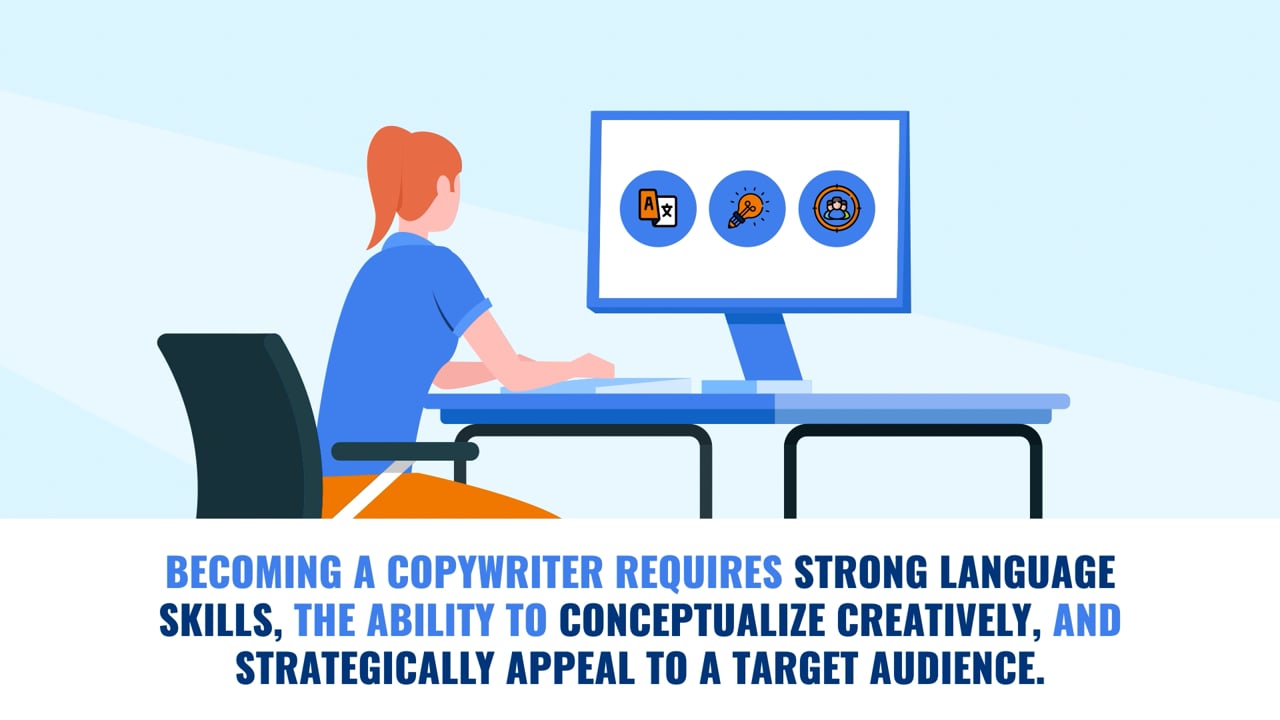
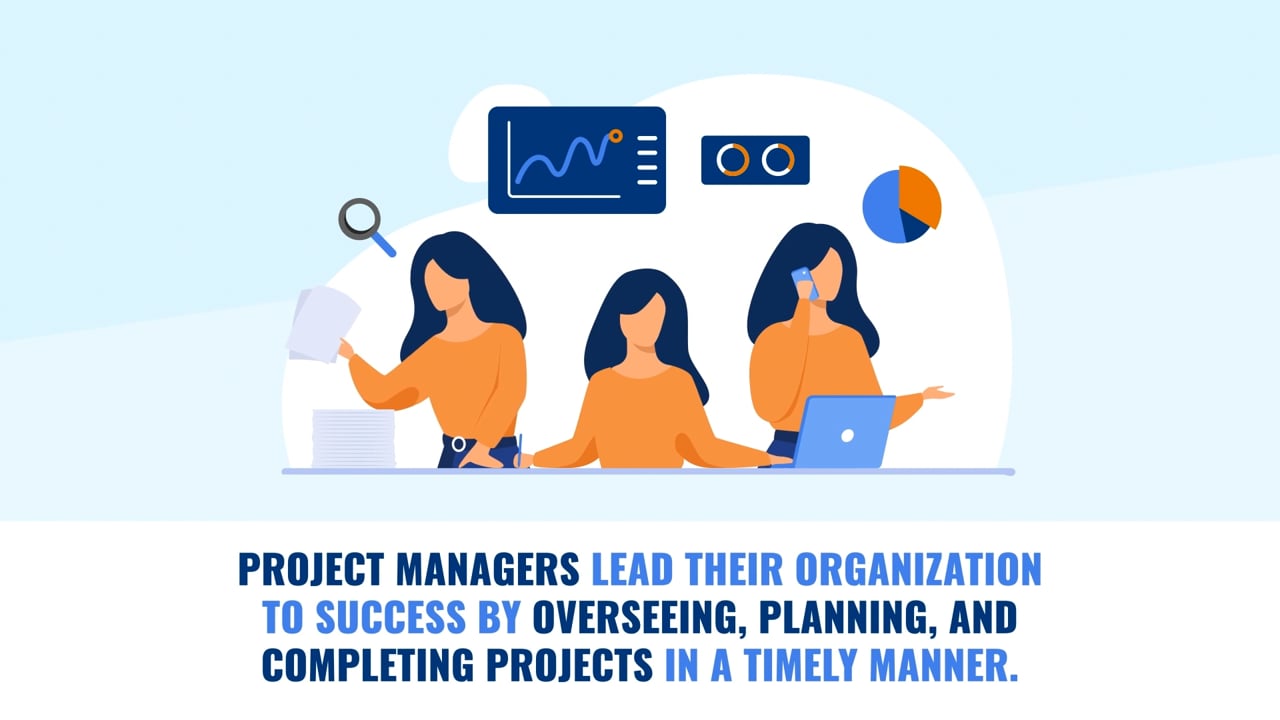
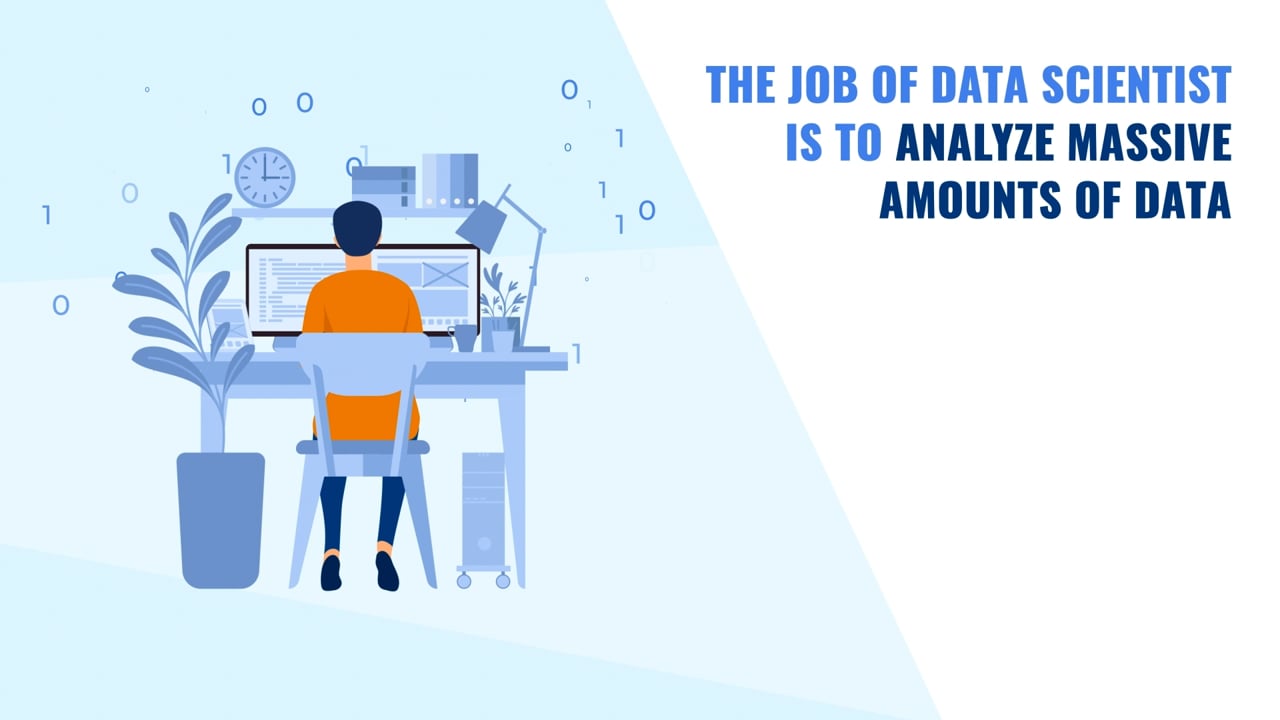
Full Stack Developer
A recruitment video series template that survived eighteen roles
The hard part of a series this size is not making eighteen videos. It is making eighteen videos that still look like one thing.
So the structure is fixed and the contents are not. Every episode opens on the role, moves through the same three beats, and closes on the same Judge frame. What changes is the iconography, the color treatment, and the pacing, which is what lets a travel nurse episode and a data scientist episode sit next to each other without either looking out of place.
That fixed spine is also what made the series affordable to extend. Episodes were produced in batches across 2022 rather than all at once, and a new role could be added without redesigning anything.
- Fixed three-beat structure across all eighteen episodes
- Iconography and color set per role, not per episode
- Same closing frame every time
- New roles addable without a redesign
Explaining a job in thirty seconds
At this length the editing is the work. Each episode had room for three things, and everything else had to go.
We kept compensation, demand, and required skills. Those are the three questions a candidate actually asks, in that order, and they are the ones a job description usually buries. What we cut was company history, culture language, day-in-the-life detail, and anything that needed a second sentence to set up.
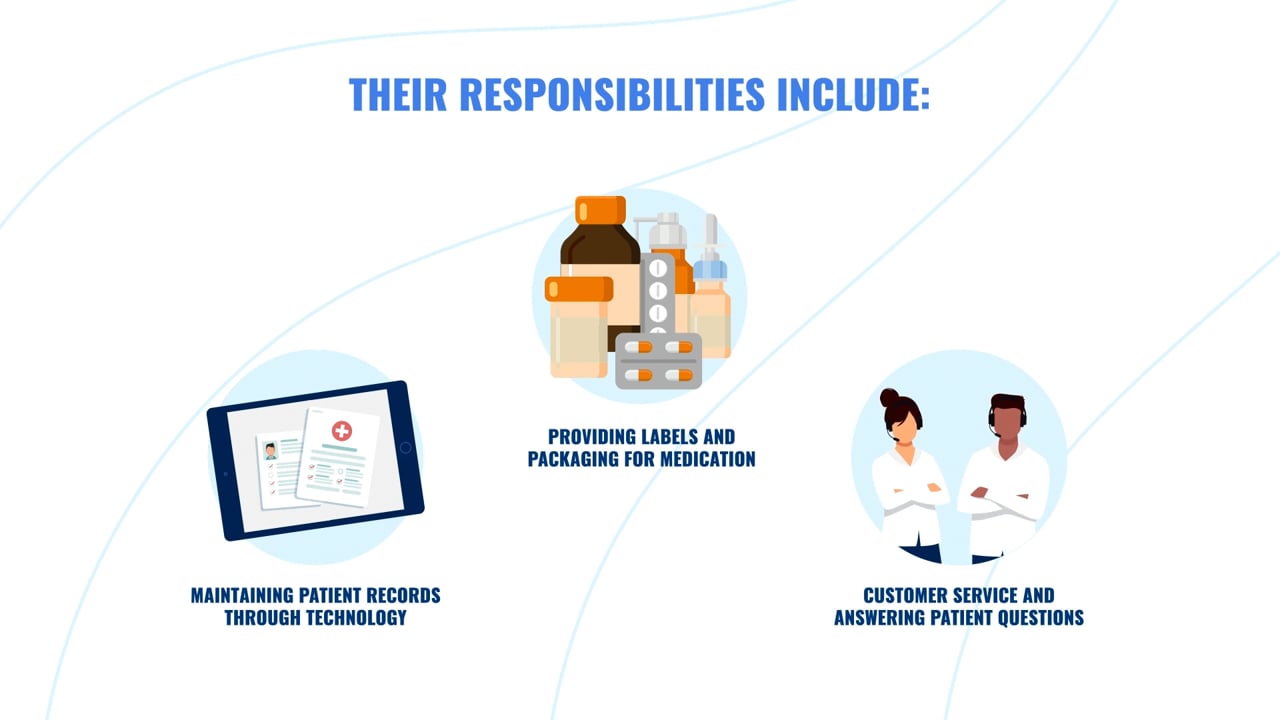
The pharmacy technician episode is a good example. Records, medication packaging, patient service. Three responsibilities on screen, named plainly, and then it ends. For more text-on-screen work like this, see our motion graphics animation.
- Compensation, demand, and required skills
- No company history or culture language
- One idea per frame
- 18 to 35 seconds per episode
Have a catalog of roles to explain?
High-volume short-form, employer brand, candidate outreach. Tell us what you are hiring for and we will come back with ideas.
Why kinetic typography carried this brief
This is the only kinetic typography work in our portfolio, and it was a deliberate call rather than a style preference.
A salary figure, a growth percentage, and a list of required certifications are all information a viewer needs to read, not watch. Character animation is better at feeling, and worse at density. When the job of the frame is to put a number in front of someone quickly, text on screen does it in a fraction of the time and stays legible with the sound off, which is how most of these get watched.
It also scales. Typography and iconography can be rebuilt for a new role in a way that a cast of animated characters cannot, and across eighteen episodes that difference compounds. For work where feeling matters more than data, corporate video production is usually the better fit.
- Numbers and skill lists read faster as text
- Legible with the sound off
- Cheaper to rebuild per role
- Scales across a large episode count

Where this recruitment video series model works best
This model fits any organization that has to explain a catalog rather than a single story. Staffing and recruitment firms, employer brand programs, membership bodies, and product teams with a long feature list all have the same shape of problem: many things to explain, none of them worth a long film on its own.
The economics only work if the template is real. A one-off short is expensive per second. Eighteen shorts sharing a structure are not, and that is the whole argument for building the system before building the episodes.
If you are weighing this against a single hero piece, our recruitment video production page covers the range across the hiring funnel.
- Staffing and recruitment firms
- Employer brand and candidate outreach
- Any catalog of roles, products, or services
- Built for feeds and job boards
Related case studies
:quality(75)) Training at scale
Training at scaleHCSG: Employee training
Healthcare Service GroupA 32-episode internal training program built on a three-step service model.
:quality(75)) Industrial
IndustrialMac Paper + Packaging: Manufacturing case studies
Mac Paper + PackagingSix operational case studies, each documenting one customer engagement.
:quality(75)) Customer education
Customer educationPECO: Customer self-service series
Philadelphia Electric CompanyA six-part self-service series covering outages, billing, alerts and utility scams.
:quality(75))
Ready to get started?
Recruitment video works when a candidate understands the role before they apply. Motifmotion can help. Contact us in a few different ways:
We'll work with you to understand your objectives, how we can provide assistance and we'll outline the next steps.